
How to Care for Mint
Grow lush, fragrant mint with this care guide covering light, watering, containing its spread, and easy propagation.
Read the full Mint encyclopedia entry →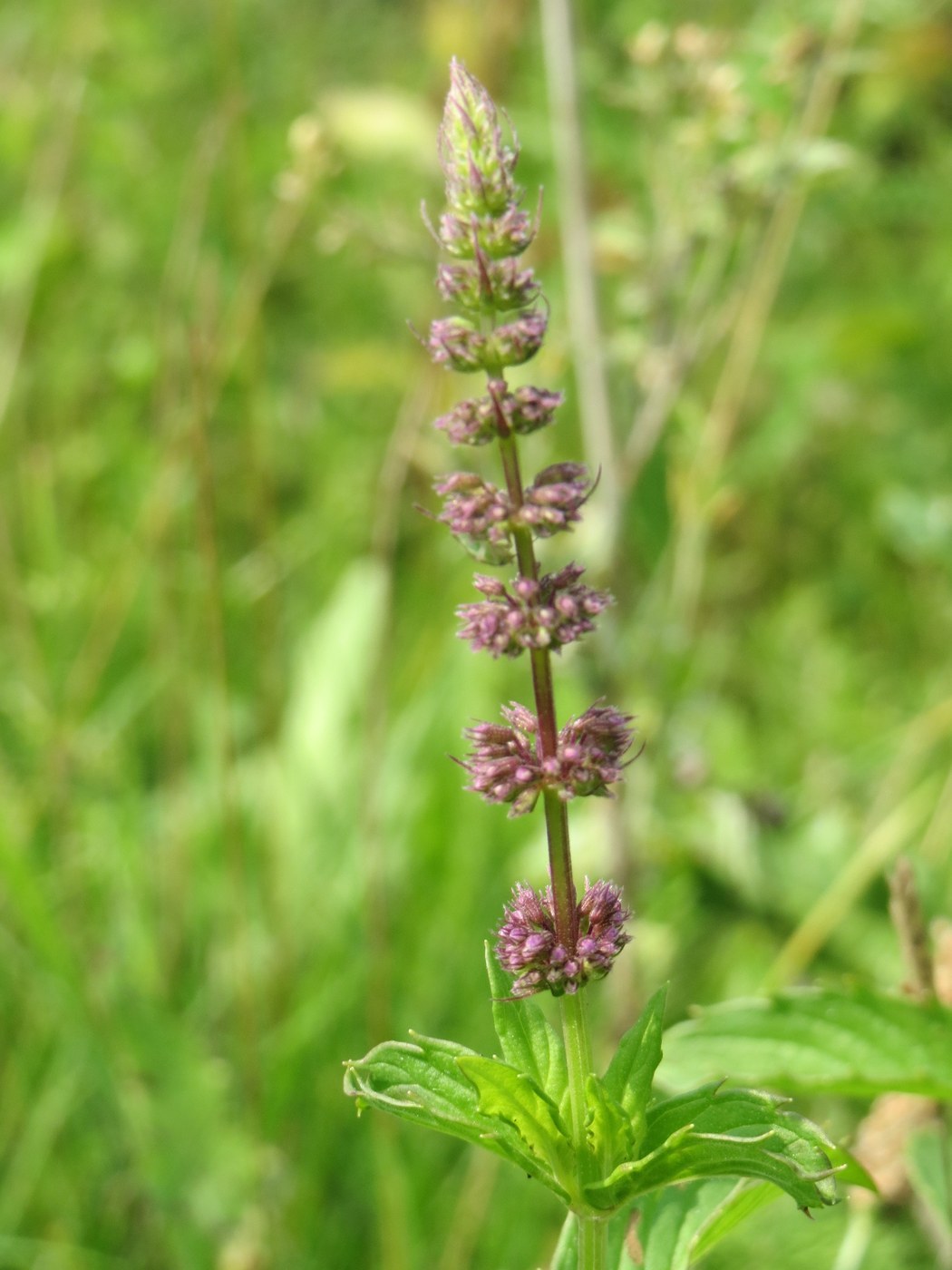
Mint (Mentha spicata) is a vigorous, aromatic perennial grown for its fresh green foliage and easy-going nature. It is one of the simplest plants to keep, though its enthusiastic spreading habit means it is often best contained.
Light
Mint grows in full sun to part shade. It thrives with about four to six hours of sun, and a little afternoon shade keeps the foliage lush in hot climates. Indoors, place it on a bright windowsill; too little light produces pale, leggy stems.
Water
Water regularly to keep the soil consistently moist but not waterlogged. Mint likes damp conditions and wilts quickly when it dries out, though it recovers fast once watered. Container plants dry out faster and may need water every day or two in summer. Do not let it sit in standing water.
Soil & Potting
Use rich, moisture-retentive soil with good drainage and a near-neutral pH. Mint is not fussy and tolerates a wide range of soils. Because it spreads aggressively by runners, it is ideal to grow in a pot or a sunken bottomless container to keep it from taking over a garden bed.
Humidity & Temperature
Mint is hardy and adaptable, comfortable in cool to warm temperatures and tolerant of frost; it often dies back in winter and returns in spring. Average indoor humidity suits it fine, though it appreciates good air circulation to prevent fungal issues on the foliage.
Feeding
Mint needs little feeding. A light application of balanced fertilizer or a topdress of compost in spring keeps growth vigorous. Avoid heavy feeding, which can dilute the aromatic oils and encourage soft, floppy growth. Container mint benefits from occasional diluted liquid feed during the growing season.
Propagation
Mint could hardly be easier to propagate. Take stem cuttings and root them in water within a week or two, or divide established clumps in spring or fall. Runners that root along the soil can be lifted and replanted. This ease of spread is also why containment matters.
Repotting / Pruning
Pinch and cut back stems frequently to encourage bushy, compact growth and prevent flowering, which can make foliage coarse. Shear the plant back hard if it becomes leggy and it will flush out again. Repot or divide container mint every year or two, as it exhausts the soil and becomes root-bound quickly.
Common Problems & Pests
Mint rust, a fungal disease showing orange spots on leaf undersides, is the most common problem; improve air flow and remove affected foliage. Powdery mildew can appear in humid, crowded conditions. Aphids, spider mites, and whiteflies may show up and can be rinsed off or treated with insecticidal soap. Overly wet soil can cause root rot.
Seasonal Care Tips
In spring, cut back old growth and divide or repot. Through summer, keep it well watered, pinch regularly, and remove flower buds to maintain leafy growth. In fall, cut it back as it slows. In winter it dies down outdoors in cold regions and returns in spring; indoor plants keep going on a bright sill with reduced watering.
Frequently asked questions
Why is my mint taking over the garden?
Mint spreads aggressively by underground runners. Grow it in a pot or a sunken bottomless container, and lift and divide it regularly to keep it in bounds.
How do I make mint bushier?
Pinch and cut back the stems often and remove flower buds. Regular trimming encourages branching and keeps the plant compact and leafy rather than tall and leggy.
What are the orange spots on my mint leaves?
That is typically mint rust, a fungal disease. Remove affected leaves, improve air circulation, avoid wetting the foliage, and thin crowded stems to reduce humidity around the plant.
Can I grow mint indoors?
Yes. Place it on a bright windowsill with a few hours of light, keep the soil consistently moist, and trim it regularly. Good air flow helps prevent fungal problems indoors.