Mint
Mentha spicata
A vigorous, cooling aromatic herb that spreads readily by runners, grown as a popular culinary herb for its refreshing, strongly scented foliage.
- Light
- Full sun to part shade
- Water
- Regular; keep consistently moist
- Difficulty
- Easy
Got a plant like this?
Identify any plant from a photo, free.
Overview
Mint is a hardy perennial herb in a large genus, with spearmint (Mentha spicata) and peppermint among the most grown. Famous for their cool, refreshing aroma, mints spread enthusiastically by underground and surface runners and are easy to grow to the point of becoming invasive.
Because of its rapid spread, mint is often grown in containers to keep it in check. It is one of the most widely grown aromatic herbs in gardens worldwide.
How to identify it
A spreading, aromatic perennial herb with a refreshing scent.
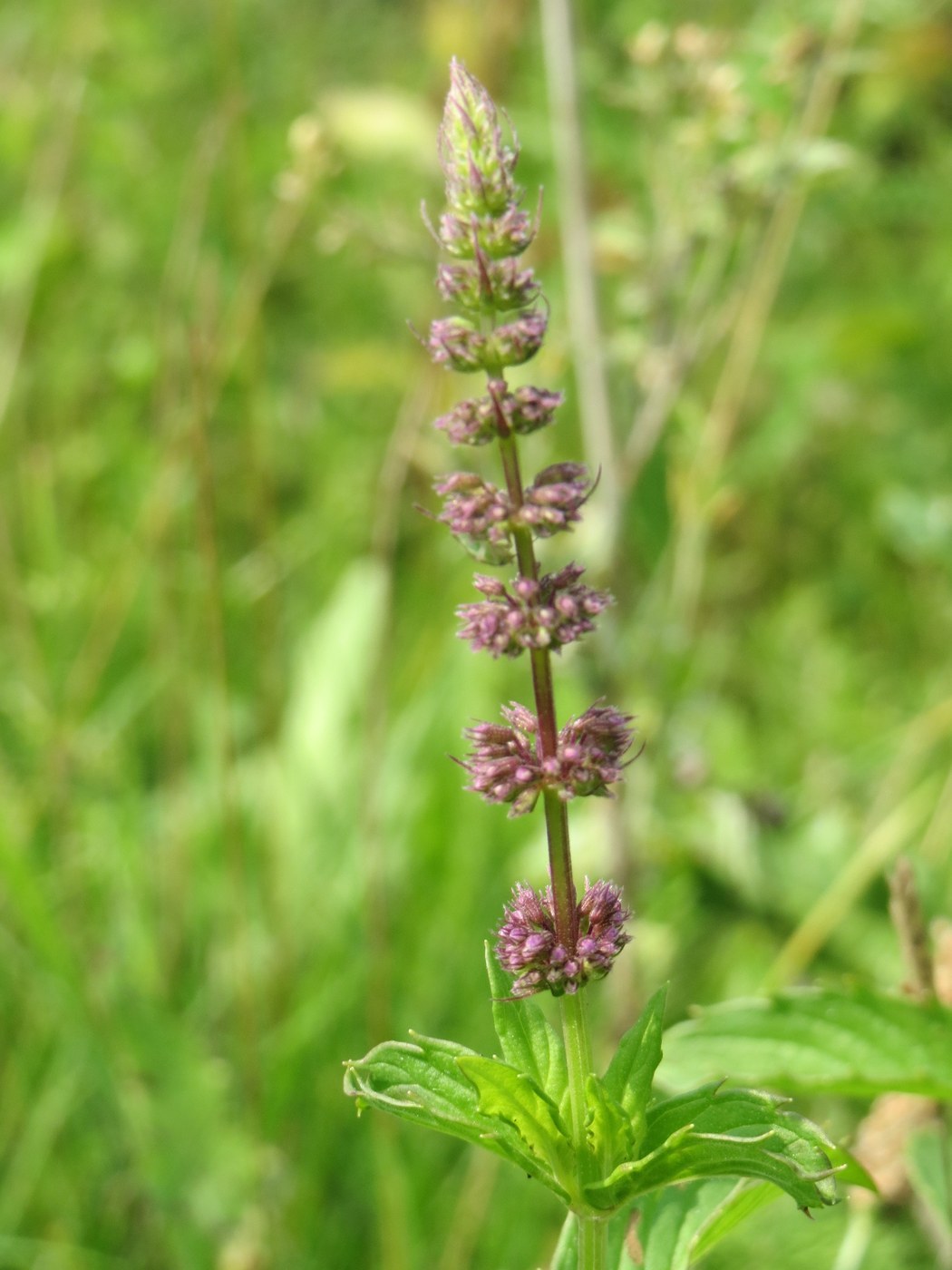
- Leaves: oval to lance-shaped, toothed, bright green, wrinkled-textured and strongly aromatic when crushed
- Stems: square in cross-section, branching, often reddish
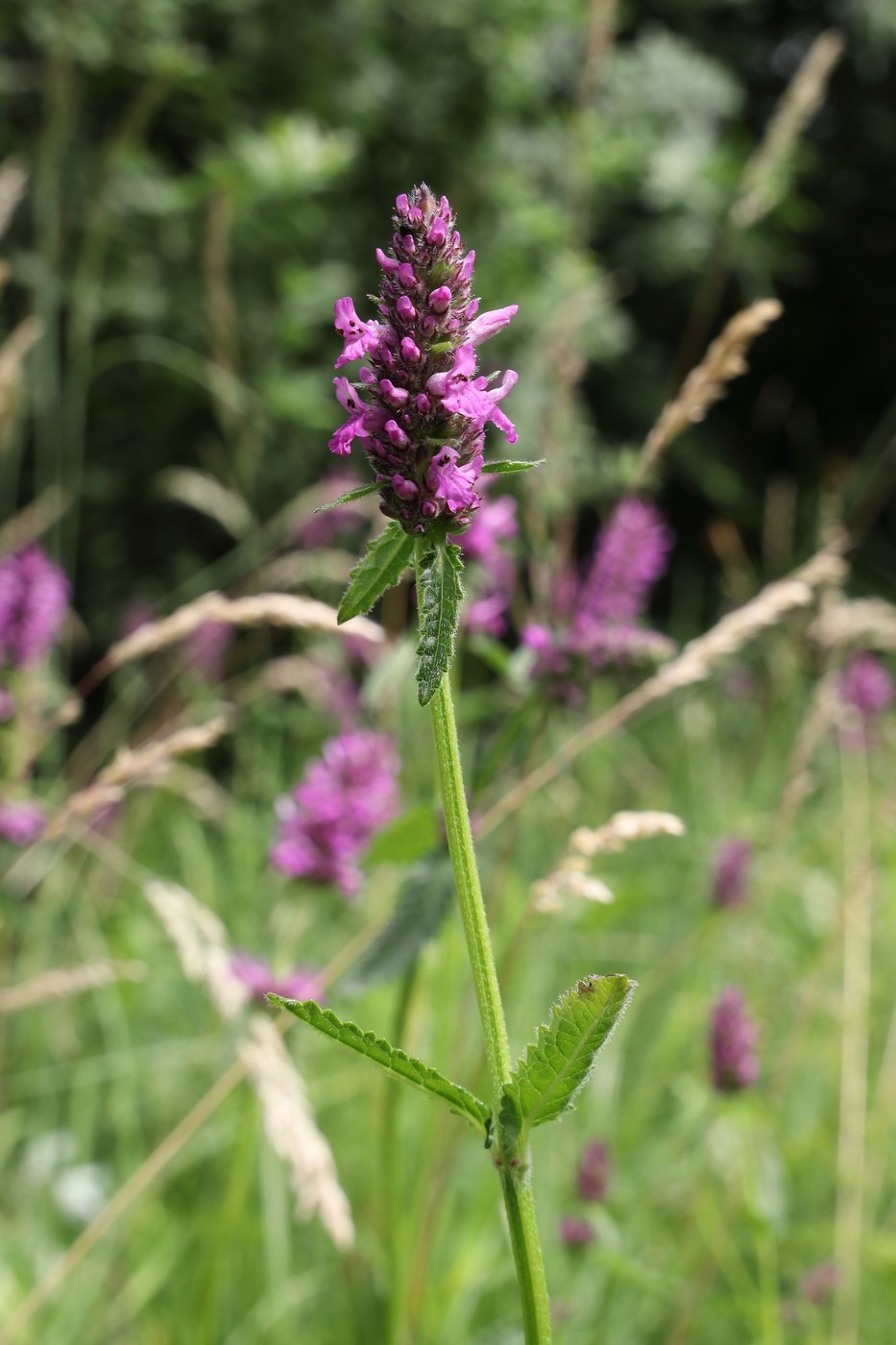
- Flowers: small lilac, pink, or white blooms in slender terminal spikes
- Growth: spreads vigorously by above- and below-ground runners (stolons and rhizomes)
- Height: 30-90 cm depending on type
Care & growing
- Light: full sun to partial shade; tolerates more shade than most herbs
- Water: keep consistently moist; mint likes damp soil and dislikes drying out
- Soil: rich, moisture-retentive soil
- Temperature: hardy and cold-tolerant; dies back in winter and returns in spring
- Containment: plant in a pot or sunken container, as it spreads aggressively
- Propagation: extremely easy from runners, division, or stem cuttings rooted in water
Habitat & origin
Mints are native to Europe, Asia, and Africa and have naturalized widely across temperate regions of the world, often along streambanks and in damp meadows.
They thrive in moist, fertile ground and are grown globally in herb gardens and containers. Their preference for damp soil reflects their natural riverside habitats.
Frequently asked questions
Why should I grow mint in a pot?
Mint spreads aggressively by runners and can take over a garden bed; containing it in a pot keeps it from becoming invasive.
How can I tell spearmint from peppermint?
They are different plants; peppermint is a hybrid. They differ in aroma and in leaf shape and color, with peppermint often having darker leaves and reddish-tinged stems.
How do I keep mint bushy?
Harvest and pinch the stems regularly and remove flower spikes; frequent cutting encourages dense new growth.
Can mint grow in shade?
Yes. Mint tolerates partial shade better than most herbs, though it appreciates consistently moist soil.
Mint guides
In-depth guides for identifying, growing, and caring for Mint.
How to Care for Mint
Grow lush, fragrant mint with this care guide covering light, watering, containing its spread, and easy propagation.
Mint Identification Guide
Recognize mint by its square stems, opposite toothed leaves, spreading runners and cool menthol scent. This guide covers key traits and how to separate it from look-alikes.