
Mint Identification Guide
Recognize mint by its square stems, opposite toothed leaves, spreading runners and cool menthol scent. This guide covers key traits and how to separate it from look-alikes.
Read the full Mint encyclopedia entry →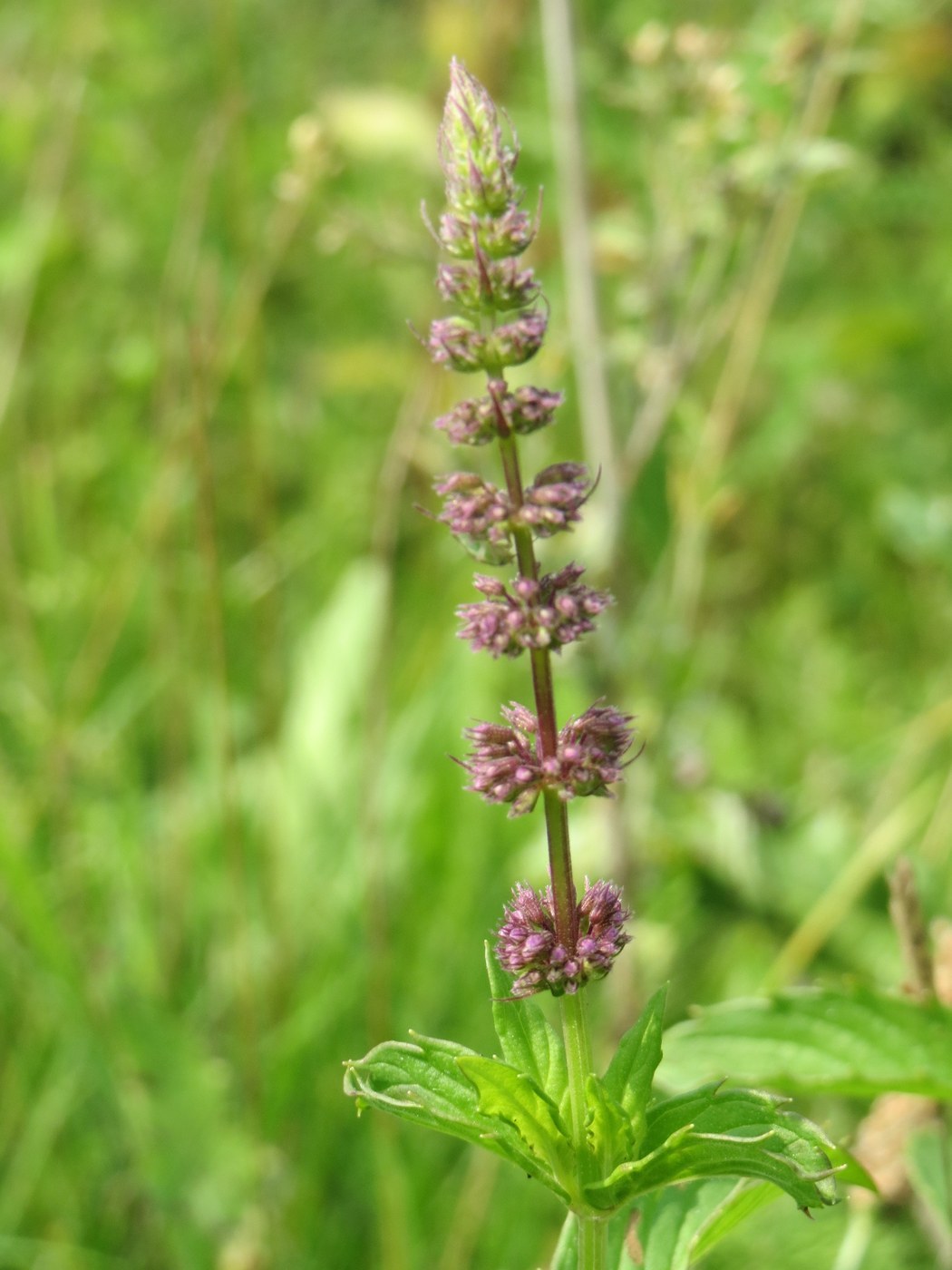
Key Identifying Features
Mint (genus Mentha, including peppermint M. x piperita and spearmint M. spicata) is a fast-spreading perennial herb defined by its cooling aroma.
- Aroma: crush a leaf for an unmistakable cool, menthol/peppermint or sweet spearmint scent (the top ID trait)
- Stems: square (four-angled), a mint-family hallmark
- Leaves: opposite, toothed (serrated), wrinkled/veiny, oval to lance-shaped
- Spread: aggressive creeping runners (stolons and rhizomes) form dense colonies
- Flowers: tiny pale lilac, pink or white flowers in whorls or terminal spikes
Leaves & Stems
Leaves are opposite, 2-8 cm long, with clearly toothed margins and a textured, veined surface. Spearmint leaves are nearly stalkless, bright green and crinkled; peppermint leaves are darker, often purple-tinged, on short stalks with a sharper menthol bite. The square stems and the plant's habit of spreading sideways by runners to form mats are key behaviors. Stems may be green or flushed purple.
Flowers & Fruit
Mint flowers are small and densely packed into whorls that may cluster into a slender terminal spike (spearmint) or rounded clusters in the leaf axils. Individual flowers are tiny, two-lipped (nearly regular), and pale lilac, pink or white. They bloom in summer and are very attractive to bees. Seeds (four nutlets per flower) are tiny, but mint mostly spreads vegetatively by runners rather than seed.
How to Tell It Apart from Look-Alikes
- Catnip (Nepeta): square stems and toothed leaves but gray-green, downy foliage with a musky/minty smell
- Lemon balm (Melissa): lemon scent, heart-shaped wrinkled leaves, clump-forming (not runners)
- Bee balm (Monarda): square stems but showy tubular flower heads and an oregano-mint scent
- Ground ivy (Glechoma): creeping square stems but scalloped round leaves and a sharper, less sweet smell
- Dead-nettles / stinging nettle: square stems but no menthol scent (and nettles sting)
The menthol aroma + square stems + opposite toothed wrinkled leaves + spreading runners confirm mint.
Where You'll Find It
Mints favor moist, rich soil in sun or part shade: stream banks, ditches, damp meadows, and gardens, where they often escape and naturalize aggressively. Native to Eurasia, they are now found worldwide. You'll commonly meet mint in herb gardens, where it is often confined to pots to control its spread.
Quick ID Checklist
- Cool menthol or sweet spearmint scent when crushed
- Square (four-angled) stems
- Opposite, toothed, wrinkled/veined leaves
- Spreads aggressively by creeping runners
- Small pale lilac/pink/white flowers in whorls or spikes
- Moist soil, sun to part shade
Frequently asked questions
What is the surest way to identify mint?
Crush a leaf and smell for the cool menthol or sweet spearmint scent, then check for square stems, opposite toothed wrinkled leaves and spreading runners.
How do I tell peppermint from spearmint?
Peppermint has darker, often purple-tinged stalked leaves and a sharp menthol smell, while spearmint has bright green, nearly stalkless crinkled leaves and a milder, sweeter aroma.
Why does mint spread so much?
Mint sends out creeping runners (stolons and rhizomes) that root and form dense colonies, which is why it is often grown in containers to keep it contained.
How can I distinguish mint from catnip or lemon balm?
Catnip has gray downy leaves and a musky scent, lemon balm smells of lemon and grows in clumps without runners, while mint has the classic menthol scent and spreads by runners.