
How to Care for Miracle Fruit
Grow-guide for Synsepalum dulcificum, a slow tropical shrub demanding acidic soil, warmth, humidity and steady moisture.
Read the full Miracle Fruit encyclopedia entry →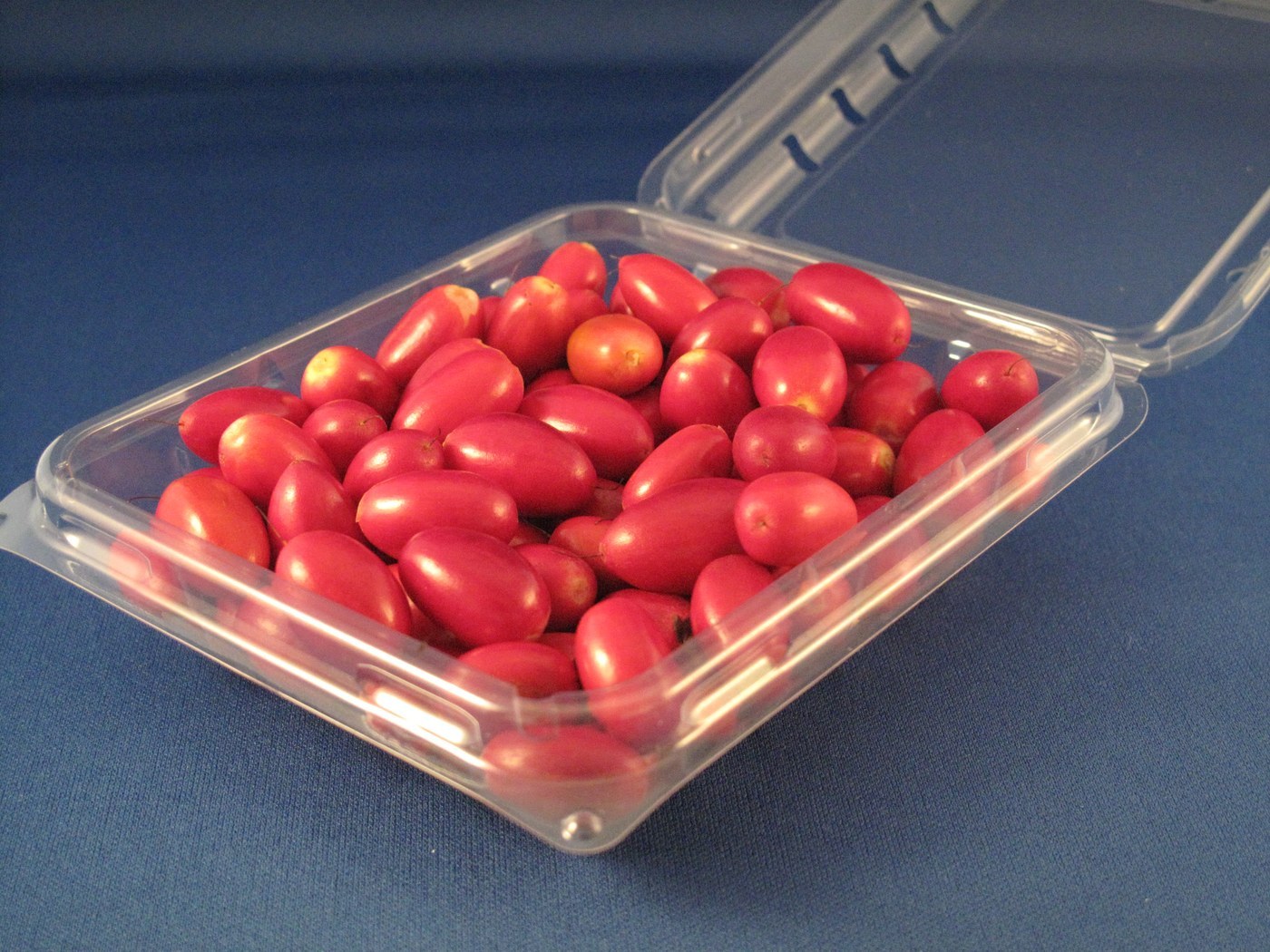
Miracle Fruit (Synsepalum dulcificum) is a slow-growing West African evergreen shrub that is genuinely demanding indoors, earning its "hard" reputation because it insists on strongly acidic soil, constant warmth and humidity, and never being allowed to dry out or sit soggy. Master its narrow comfort zone and it becomes a handsome, glossy-leaved specimen that can eventually flower and set small red berries.
Light
Give bright filtered light or a few hours of gentle morning sun with shade during the harsh midday. In cultivation an east-facing window or a spot a foot or two back from a bright south/west window is ideal. Under grow lights, run 12-14 hours a day. Too much direct sun scorches and bleaches the leaves; too little produces weak, leggy growth and stalls flowering.
Water
Keep the root zone evenly moist at all times, never bone-dry and never waterlogged. The plant is intolerant of both drought and salts, so use rainwater, distilled, or reverse-osmosis water rather than hard tap water. Acidify the water slightly (a few drops of vinegar or a purpose-made acidifier to reach roughly pH 4.5-5.8) to keep the medium in its preferred range. Water when the top centimetre begins to dry, then water thoroughly and let excess drain.
Soil & Potting
This is the make-or-break factor. Use a peat-heavy, highly acidic, fast-draining mix: roughly two parts peat or coco coir to one part perlite, often blended with a little pine bark. Many growers add sphagnum moss to hold moisture. Avoid limestone-based or alkaline mixes and avoid mineral fertiliser buildup. Always pot into a container with generous drainage holes.
Humidity & Temperature
Aim for warm, humid, greenhouse-like conditions: 60-80% humidity and temperatures of 21-30 C (70-86 F). It resents cold and will suffer or die below about 4-7 C (40-45 F), so keep it well away from cold drafts and unheated rooms in winter. Boost humidity with a pebble tray, grouping, or a humidifier; misting helps a little but stable ambient humidity matters more.
Feeding
Feed lightly during the warm growing months with an acidifying fertiliser formulated for azaleas, camellias, or other acid-loving plants, diluted to half strength. Over-feeding and salt accumulation quickly burn the sensitive roots, so err on the side of weak and infrequent, and flush the pot occasionally with clean water to clear salts.
Propagation
Miracle Fruit is propagated from fresh seed or, less reliably, from semi-hardwood cuttings and air layering. Seed loses viability fast, so sow it fresh into a warm, acidic, moist medium; germination is slow and erratic over several weeks. Seed-grown plants are patient projects that may take several years to reach flowering size. Cuttings root slowly and benefit from bottom heat, high humidity, and rooting hormone.
Repotting / Pruning
Repot only when clearly rootbound, moving up one pot size in spring and refreshing the acidic mix. Handle the roots gently. Prune lightly after fruiting or in spring to shape the shrub, encourage bushiness, and remove weak or crossing stems; the plant naturally stays compact and rarely needs heavy cutting.
Common Problems & Pests
The classic failures are chlorosis (yellowing leaves from alkaline conditions or hard water) and root problems from either drought or waterlogging. Correct by tightening soil acidity, switching to soft water, and dialling in even moisture. Under low humidity leaf tips brown. Watch for mealybugs, scale, aphids, and spider mites, especially in dry indoor air; treat early with insecticidal soap or horticultural oil.
Seasonal Care Tips
In spring and summer the plant grows and may flower; keep it warm, humid, fed lightly, and evenly moist. In autumn and winter growth slows, so reduce feeding and water a touch less while still never letting it dry out, and protect it firmly from cold. Provide supplemental light and, if needed, a humidifier through short, dry winter days.
Frequently asked questions
Why are my Miracle Fruit's leaves turning yellow?
Yellowing (chlorosis) almost always means the soil is not acidic enough or you are using hard tap water. Switch to rainwater or distilled water, acidify it slightly, and repot into a peat-based acid mix to bring the pH back down.
What kind of water should I use?
Use soft, low-mineral water such as rainwater, distilled, or reverse-osmosis, lightly acidified to about pH 4.5-5.8. Hard, alkaline tap water gradually raises the soil pH and causes yellowing and decline.
How long until a seedling flowers?
Seed-grown Miracle Fruit is slow, often taking several years to reach flowering and fruiting size. Keep conditions warm, humid, bright, and acidic throughout to avoid stalling its already leisurely pace.
Why is my plant dropping leaves?
Leaf drop usually follows a shock such as cold drafts, a sudden temperature swing, drying out, or waterlogging. Stabilise warmth around 21-30 C, keep humidity high, and maintain even moisture to help it recover.