Miracle Fruit
Synsepalum dulcificum
A slow-growing evergreen shrub from West Africa bearing small, bright red oval berries. It demands acidic soil, warmth, and humidity, making it a challenging container plant outside the tropics.
- Light
- Bright filtered light to partial shade
- Water
- Keep evenly moist with acidic water
- Difficulty
- Hard
Got a plant like this?
Identify any plant from a photo, free.
Overview
Miracle fruit is a slow-growing evergreen shrub native to West Africa, grown as a tropical curiosity for its small, bright red berries.
The plant is fussy: it demands acidic soil, warmth, and humidity, and never tolerates lime or frost, which makes it a challenging container plant outside the tropics.
How to identify it
- Slow-growing evergreen shrub, usually 5 to 15 ft (1.5 to 4.5 m) but often kept much smaller in pots
- Dark green, leathery leaves clustered at the tips of branches
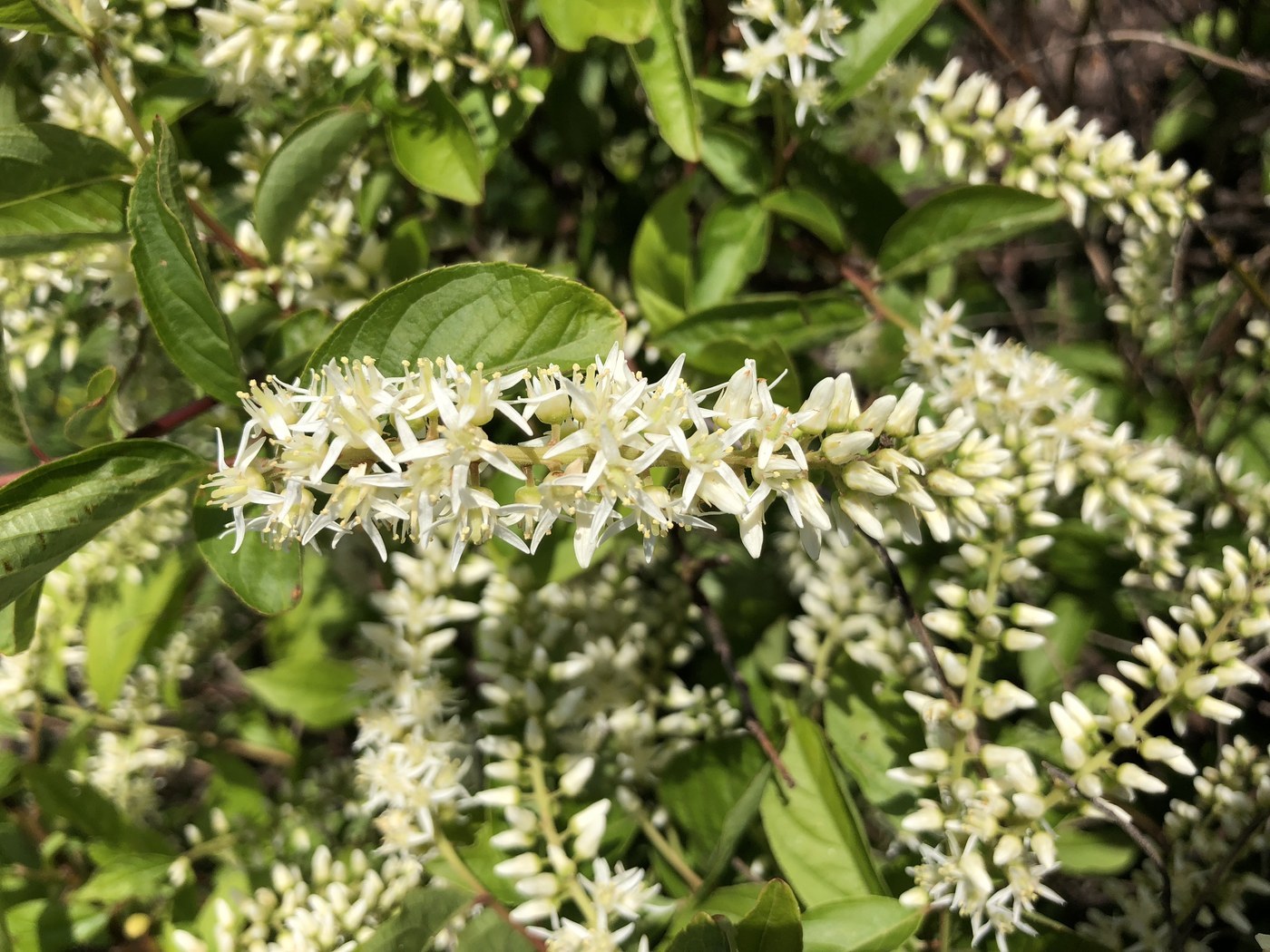
- Small white flowers borne along the stems
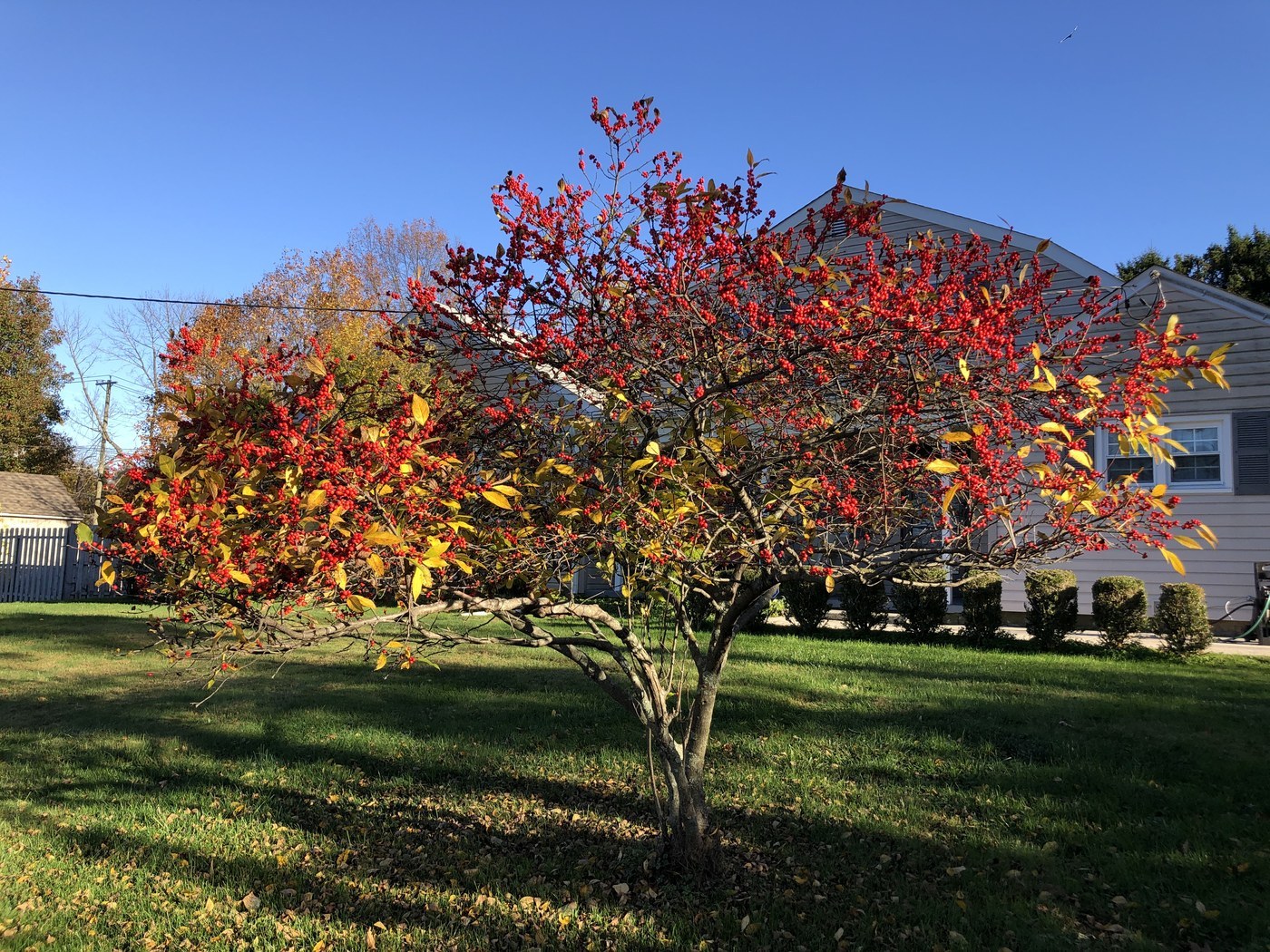
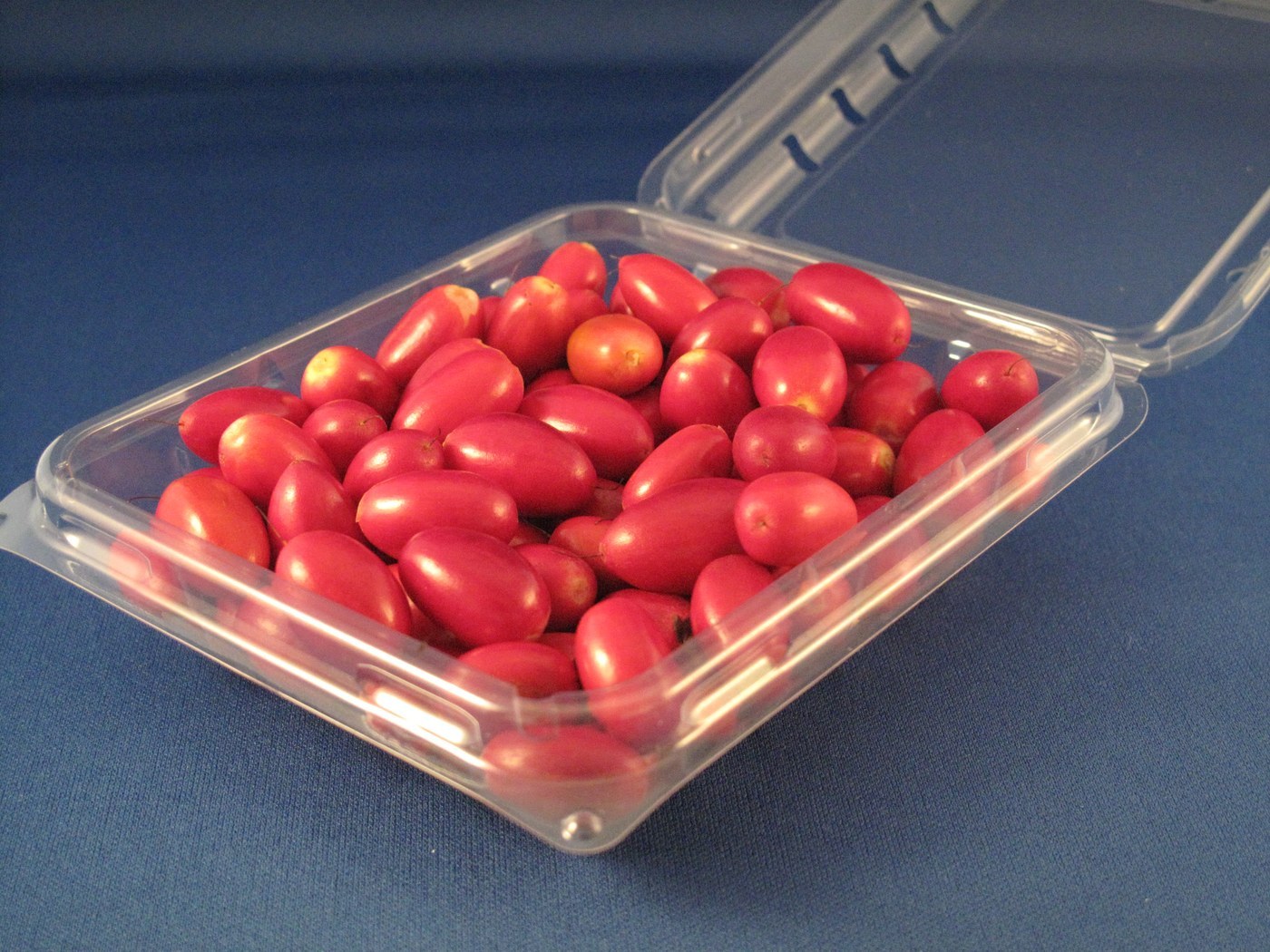
- Bright red, oval berries about 2 to 3 cm long, each with a single large seed
- Each berry has a single large seed surrounded by a thin layer of pulp
Care & growing
Light: Bright filtered light or partial shade; protect from harsh midday sun.
Water: Keep the soil evenly moist but never soggy; use rainwater or other low-mineral, slightly acidic water, as it dislikes alkalinity.
Soil: Strongly acidic, well-drained, peat-rich mix (pH around 4.5 to 5.8); intolerant of lime.
Temperature: Tropical; keep above 60 F (15 C) and protect from any frost; loves high humidity.
Feeding: Use an acid-loving plant fertilizer at low strength; avoid alkaline fertilizers and hard water.
Propagation: From fresh seed (slow) or semi-hardwood cuttings and air layering for faster establishment.
Habitat & origin
Native to the tropical lowlands of West Africa, including Ghana, Nigeria, and surrounding countries, where it grows in the understory of humid forest.
It naturally favors warm, humid, acidic soils in dappled shade. Outside Africa it is grown mainly as a potted curiosity in greenhouses and tropical gardens worldwide.
Frequently asked questions
What does miracle fruit look like?
It is a slow-growing evergreen shrub, often 5 to 15 ft tall but usually kept smaller in pots, with dark green leathery leaves clustered at the branch tips and small white flowers.
Where is miracle fruit native to?
It is native to the tropical lowlands of West Africa, including Ghana and Nigeria, where it grows in the humid forest understory.
Why is miracle fruit hard to grow?
It needs consistently warm, humid conditions and acidic, low-mineral soil and water. It will not tolerate frost or alkaline conditions, so it requires careful container culture outside the tropics.
What do the berries look like?
The berries are bright red and oval, about 2 to 3 cm long, each containing a single large seed surrounded by a thin layer of pulp.
Miracle Fruit guides
In-depth guides for identifying, growing, and caring for Miracle Fruit.
How to Care for Miracle Fruit
Grow-guide for Synsepalum dulcificum, a slow tropical shrub demanding acidic soil, warmth, humidity and steady moisture.
Miracle Fruit Identification Guide
Identify the miracle fruit shrub (Synsepalum dulcificum) by its slow-growing bushy form, clustered dark glossy leaves, tiny white flowers, and small bright-red berries.