
How to Care for Mockernut Hickory
Grow Mockernut Hickory (Carya tomentosa), a stately, drought-tolerant native shade tree for full sun and deep, well-drained soil.
Read the full Mockernut Hickory encyclopedia entry →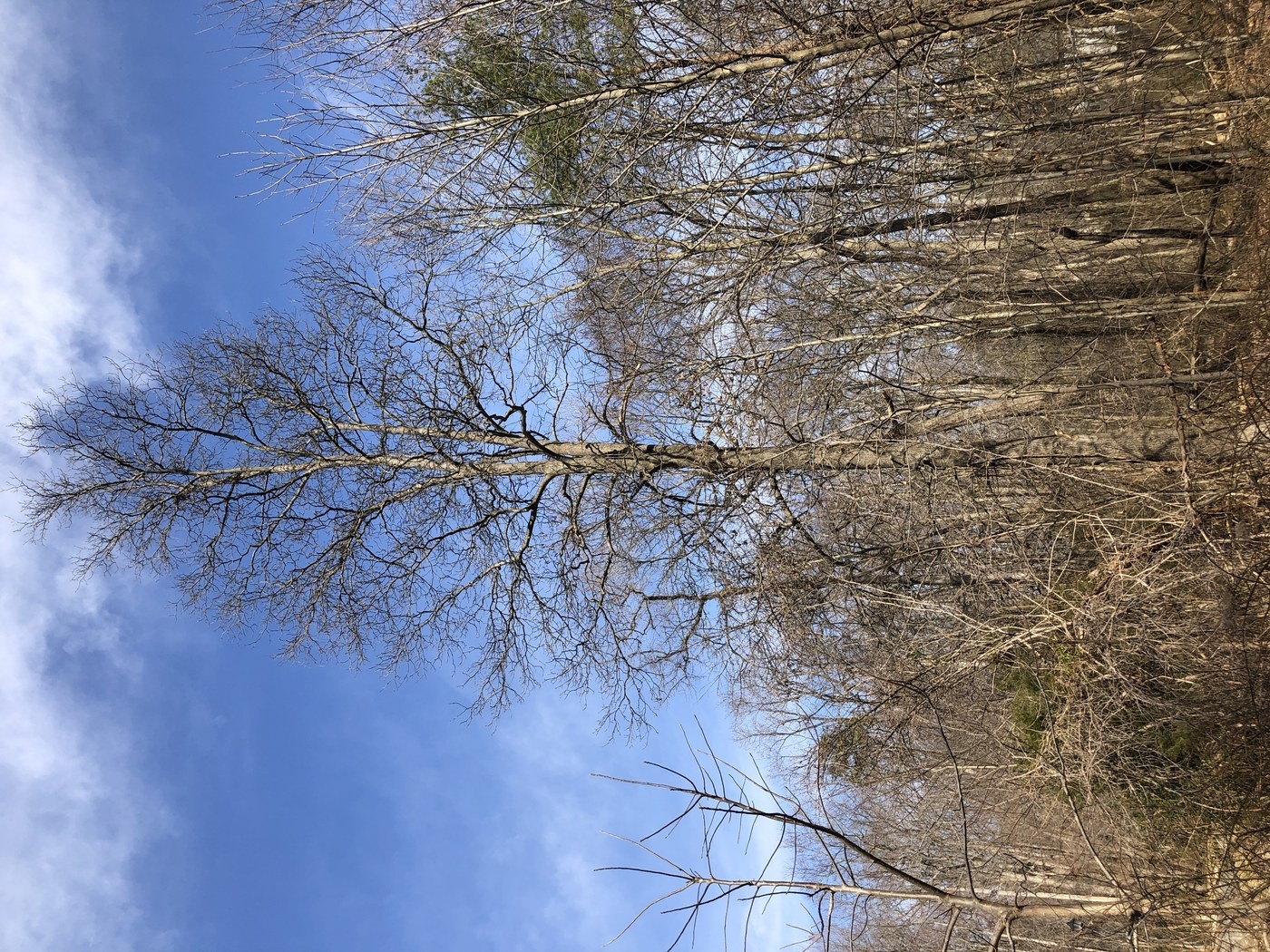
Mockernut Hickory (Carya tomentosa) is a large, slow-growing deciduous shade tree prized for its strong branching, golden autumn color, and rugged, ridged bark. It is a long-lived landscape specimen best suited to spacious sites where its deep taproot and broad crown have room to develop.
Light
Give Mockernut Hickory full sun for best form and vigor. It tolerates light or partial shade when young, especially in woodland settings, but a minimum of six hours of direct sun produces a fuller, more balanced canopy and stronger fall color. Avoid crowding it against buildings or other large trees where its crown would be shaded on one side.
Water
This species is low to moderate in its water needs and notably drought tolerant once established, thanks to its deep taproot. Water young trees deeply every week or two through their first two or three growing seasons to help roots settle in. After establishment, supplemental irrigation is rarely needed except during prolonged drought. Deep, infrequent soakings are far better than frequent shallow watering.
Soil & Potting
Mockernut Hickory thrives in deep, well-drained loam but adapts to a wide range of soils, including sandy and rocky upland sites. It prefers slightly acidic to neutral conditions and resents waterlogged ground. Because it forms a long taproot early, transplant while young and site it permanently rather than moving it later. Amend heavy clay with organic matter to improve drainage before planting.
Humidity & Temperature
A hardy temperate tree, it withstands cold winters and hot, humid summers with ease. It performs well across USDA zones 4 through 9 and requires no humidity management. Its deep-rooted, sturdy structure makes it wind-firm once mature.
Feeding
Mature trees rarely need supplemental feeding when grown in reasonable soil. For young trees, a light application of balanced, slow-release fertilizer in early spring can support establishment. Avoid heavy nitrogen, which encourages weak, rapid growth on a species that is naturally slow and strong. A ring of organic mulch feeds the soil gradually as it breaks down.
Propagation
Mockernut Hickory is grown from seed. Collect ripe nuts in fall, remove the husk, and sow promptly or provide two to four months of cold, moist stratification before spring sowing. Sow deep to accommodate the emerging taproot, and start seed directly in place or in deep containers, since the taproot makes later transplanting difficult. Germination and early growth are slow; patience is essential.
Repotting / Pruning
As a landscape tree it is not containerized long-term. Prune in late winter while dormant to remove dead, damaged, or crossing branches and to establish a strong central leader when young. Avoid heavy pruning of large limbs, and make clean cuts just outside the branch collar. Its naturally good structure means minimal corrective pruning is usually needed.
Common Problems & Pests
Mockernut Hickory is generally durable and trouble-free. It can host hickory bark beetles, aphids, and various leaf-feeding caterpillars, and may develop cosmetic leaf spots, anthracnose, or powdery mildew in wet seasons, none of which usually threaten a healthy tree. Keep trees vigorous with good siting and mulch, and avoid soil compaction and root disturbance around the trunk. Hickory galls caused by phylloxera may appear but are largely harmless.
Seasonal Care Tips
Plant in fall or early spring while dormant. Water young trees through the first summers and refresh a wide, shallow mulch ring each spring, keeping it off the trunk. Prune during winter dormancy. Expect abundant leaf and nut litter in autumn, so site the tree away from where heavy debris would be a nuisance. Little intervention is required once the tree is well established.
Frequently asked questions
How fast does Mockernut Hickory grow?
It is a slow-growing tree, typically adding only about a foot or less of height per year, but it is exceptionally long-lived and develops a strong, durable structure over time.
Does Mockernut Hickory need a lot of space?
Yes. It can eventually reach 50 to 80 feet tall with a broad crown and a deep taproot, so give it a large, open site well away from foundations, walkways, and overhead lines.
Why is it hard to transplant?
The tree forms a long taproot very early, which is easily damaged when moving established plants. Start it from seed in place or transplant only very young trees to give the taproot room to develop.
How much water does an established tree need?
Very little. Once established it is drought tolerant and usually thrives on rainfall alone, needing supplemental water only during extended dry spells.