Mockernut Hickory
Carya tomentosa
Mockernut hickory is a sturdy, slow-growing eastern hickory with fragrant, densely hairy leaves and very thick-shelled nuts. Its strong wood and golden fall color make it a valued forest and shade tree.
- Light
- Full sun
- Water
- Low to moderate; drought tolerant
- Difficulty
- Moderate
Got a plant like this?
Identify any plant from a photo, free.
Overview
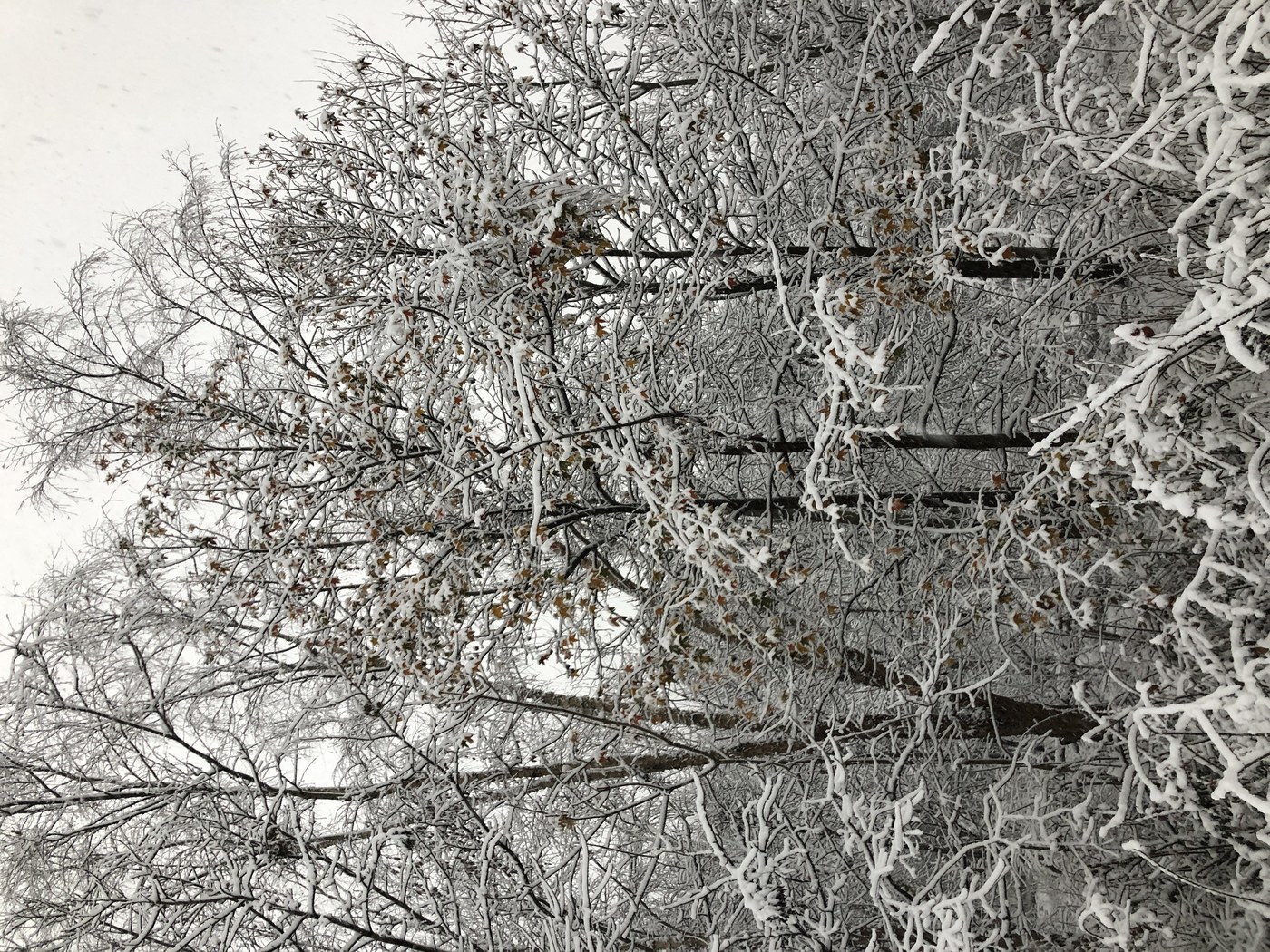
Mockernut hickory (Carya tomentosa) is a large, long-lived deciduous tree native to eastern North America and the most abundant of the true hickories in much of the South.
The name "mockernut" refers to the way the thick, hard husk and shell "mock" expectations — promising a large nut but enclosing only a small kernel. Its species name tomentosa refers to the dense, fuzzy hairs on its leaves and twigs.
Its dense, shock-resistant wood is among the strongest of the hickories.
How to identify it
- Leaves: Pinnately compound, 8–14 in long, usually with 7–9 leaflets; densely hairy beneath and fragrant when crushed.
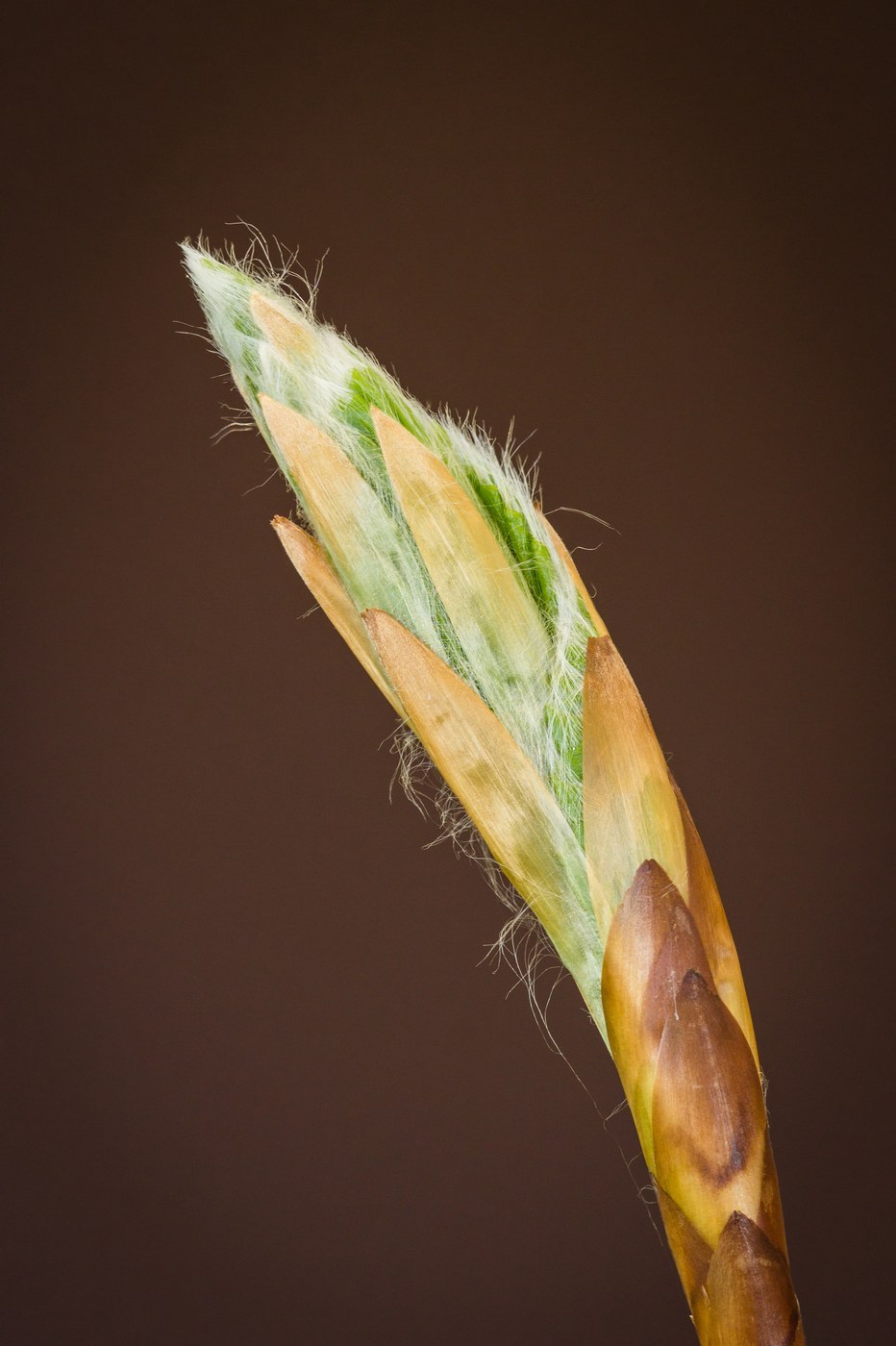
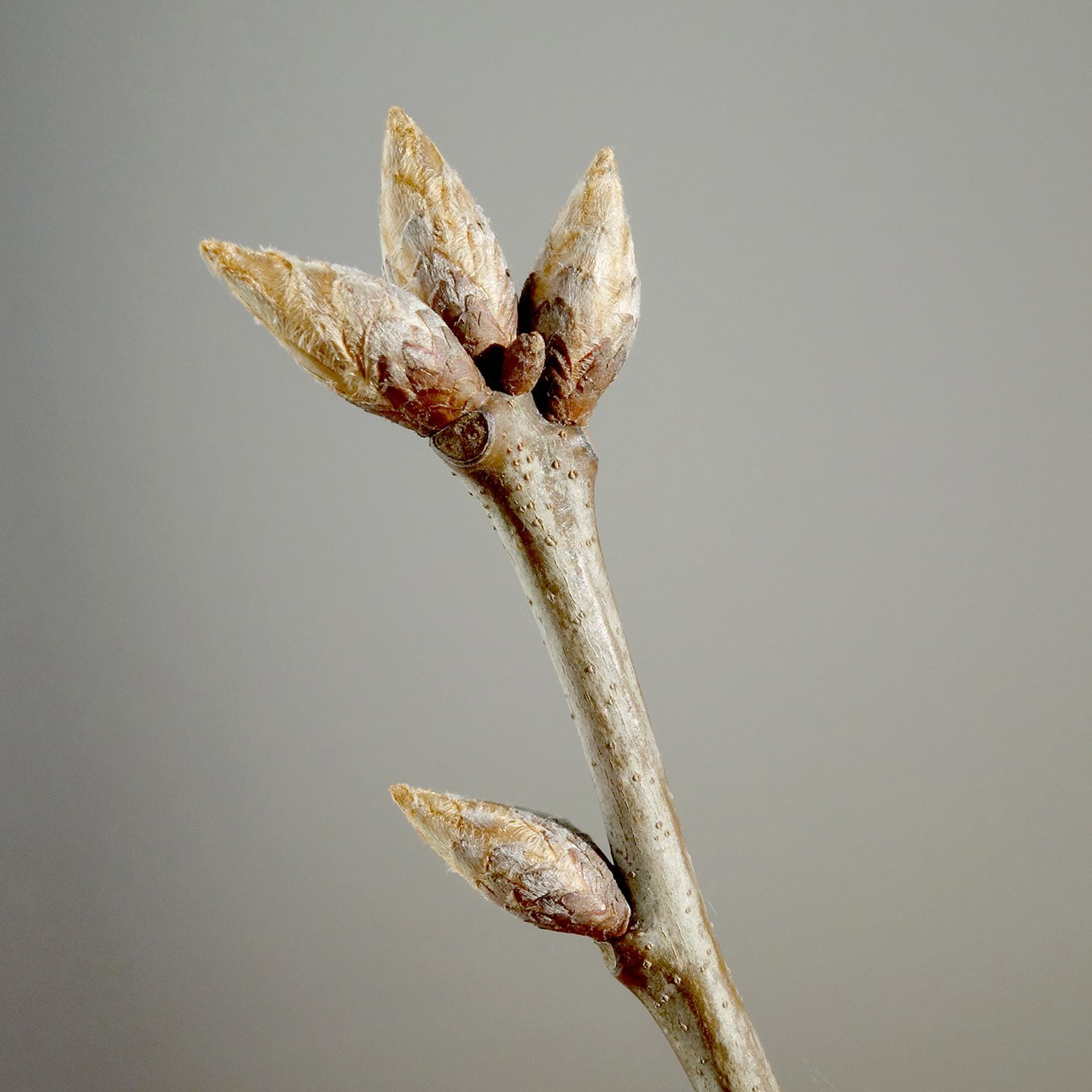
- Buds: Large, rounded terminal buds with hairy, tan-to-gray outer scales.
- Bark: Gray, tight, with shallow interlacing furrows — not shaggy.
- Fruit: Rounded to oval nut with a very thick, hard husk and shell enclosing a small kernel.
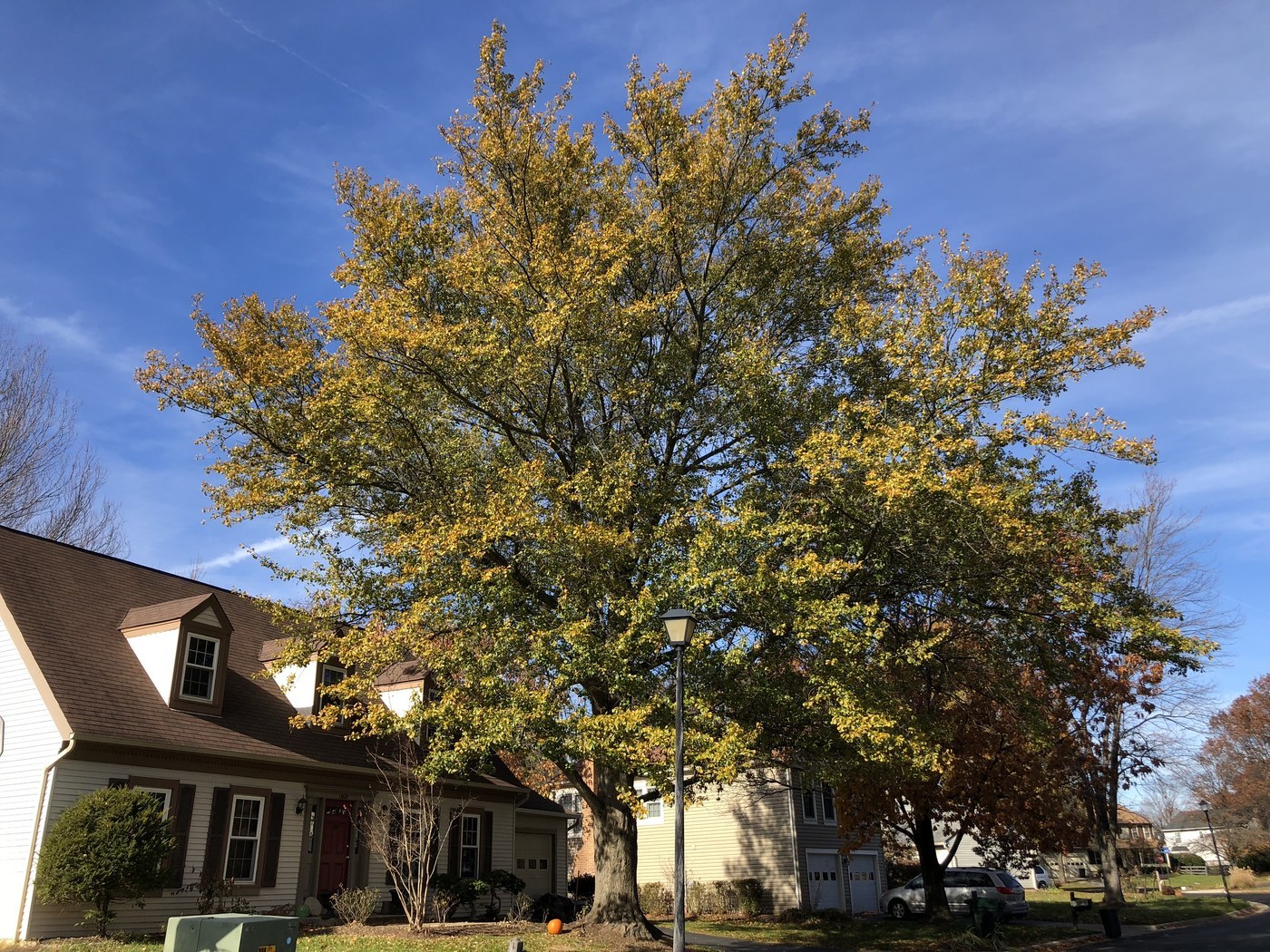
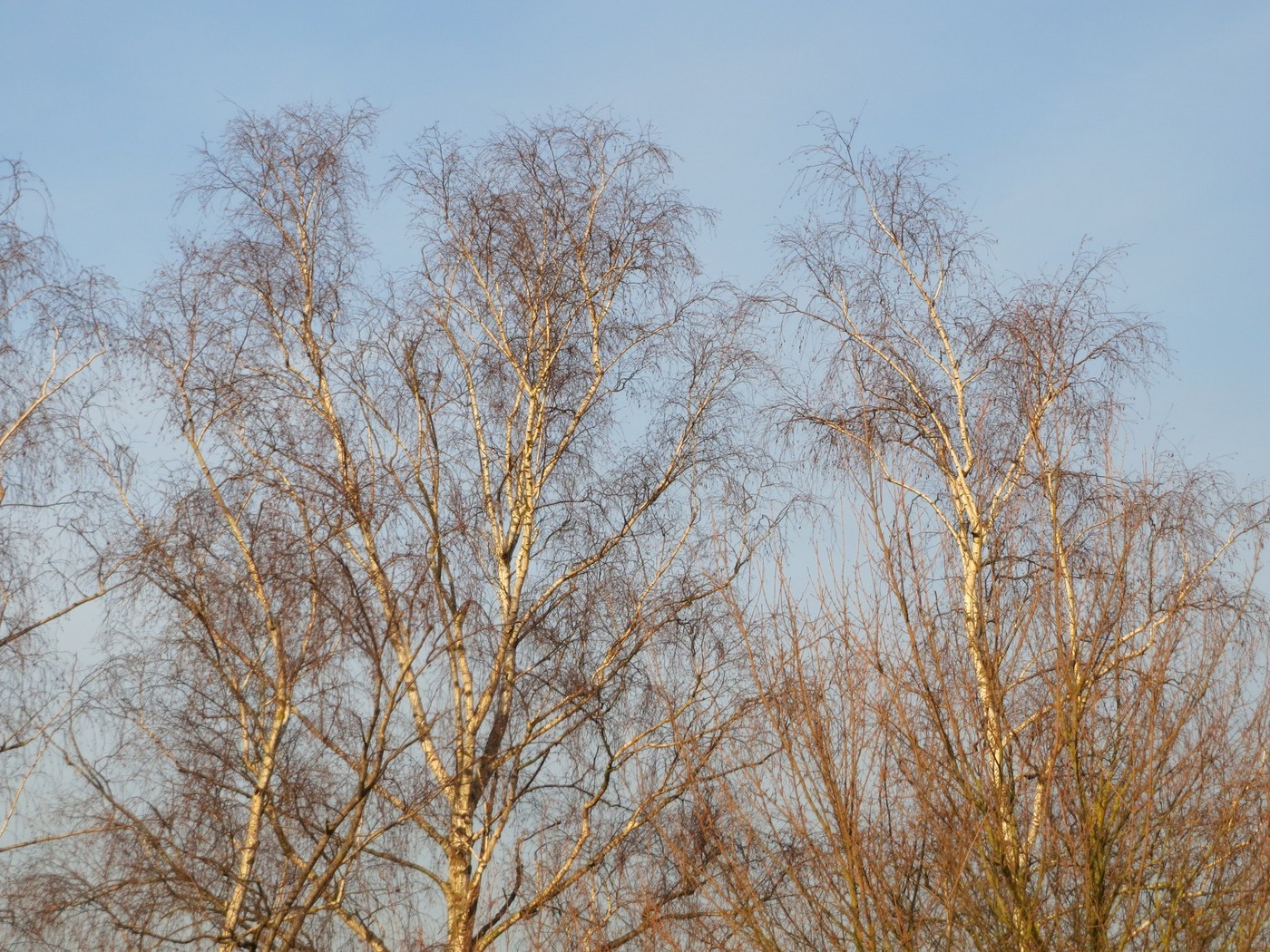
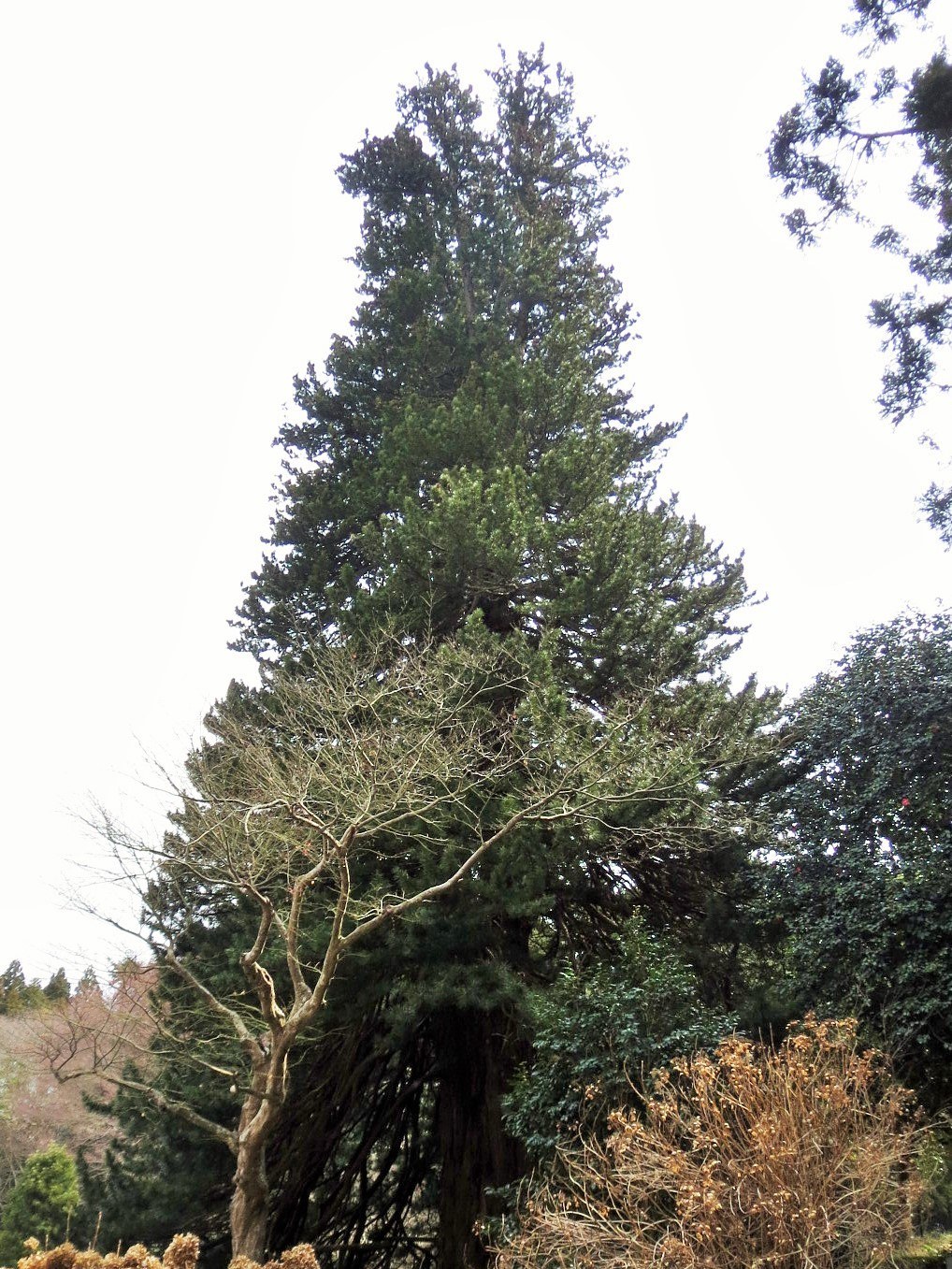
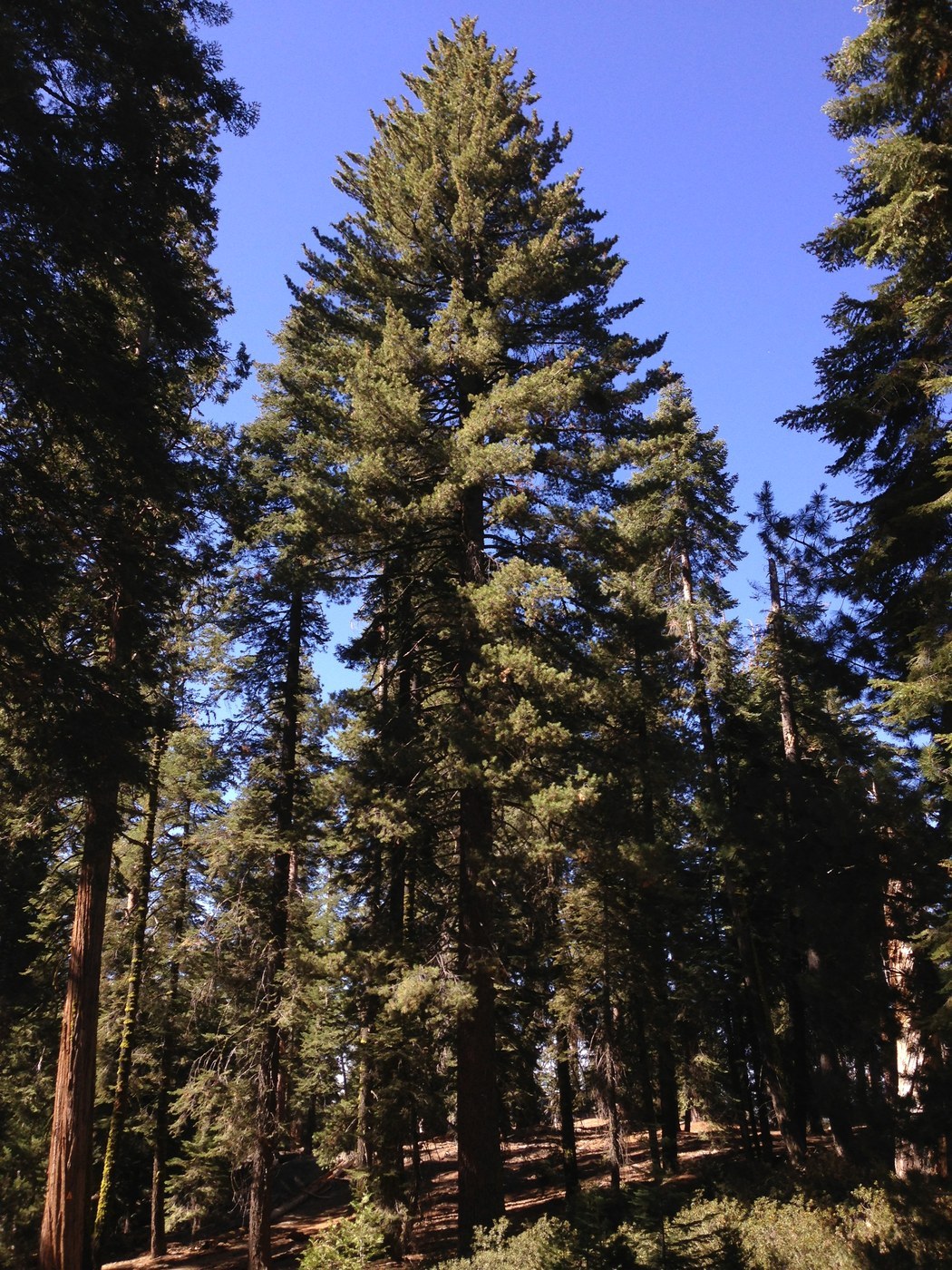
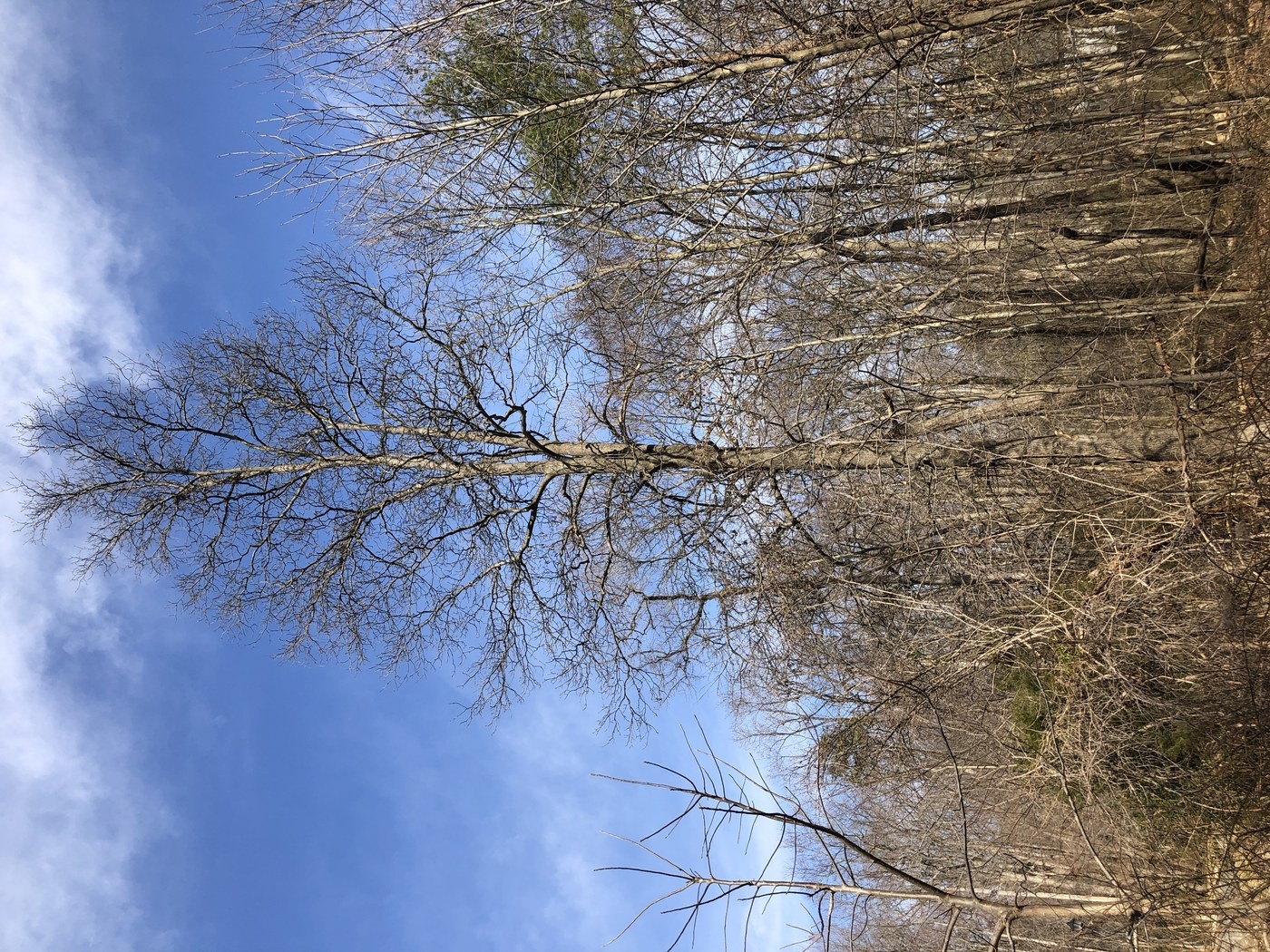
- Size & habit: 50–80 ft tall with a narrow, rounded crown and deep taproot.
Care & growing
Mockernut hickory grows best in full sun on dry to medium, well-drained soils.
- Water: Drought tolerant once established; dislikes wet feet.
- Soil: Tolerant of poor, dry, rocky, and sandy upland soils.
- Temperature: Hardy in USDA zones 4–9.
- Feeding: Seldom necessary.
- Propagation: From stratified seed; slow-growing with a deep taproot, so transplant only young seedlings. Foliage and roots release juglone.
Habitat & origin
Native to eastern North America, from southern Ontario and Massachusetts south to Florida and west to Texas and Nebraska.
It is common on dry uplands, ridges, and slopes, frequently mixed with oaks and other hickories. It is the dominant hickory across much of the southeastern United States.
Frequently asked questions
Why is it called mockernut?
The thick, hard husk and shell make the nut look large and promising, but the kernel inside is small, so the nut 'mocks' expectations.
How do I identify mockernut hickory?
Look for densely hairy, fragrant leaves, large rounded buds with hairy scales, tight gray bark, and thick-shelled nuts.
Is mockernut a fast grower?
No. It is slow-growing but very long-lived, with extremely strong wood, making it valued for both lumber and fuel.
Mockernut Hickory guides
In-depth guides for identifying, growing, and caring for Mockernut Hickory.
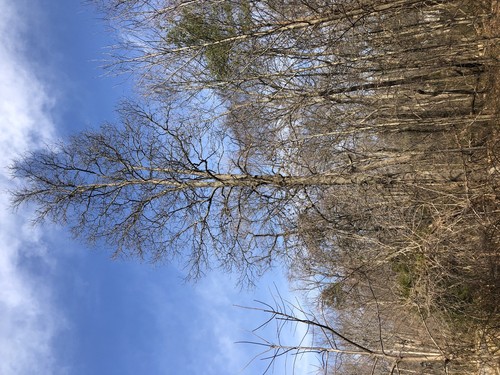
How to Care for Mockernut Hickory
Grow Mockernut Hickory (Carya tomentosa), a stately, drought-tolerant native shade tree for full sun and deep, well-drained soil.
Mockernut Hickory Identification Guide
How to identify Mockernut Hickory (Carya tomentosa) by its large fuzzy buds, fragrant downy 7-9 leaflet leaves, and thick-husked nuts with a small kernel.