
Mockernut Hickory Identification Guide
How to identify Mockernut Hickory (Carya tomentosa) by its large fuzzy buds, fragrant downy 7-9 leaflet leaves, and thick-husked nuts with a small kernel.
Read the full Mockernut Hickory encyclopedia entry →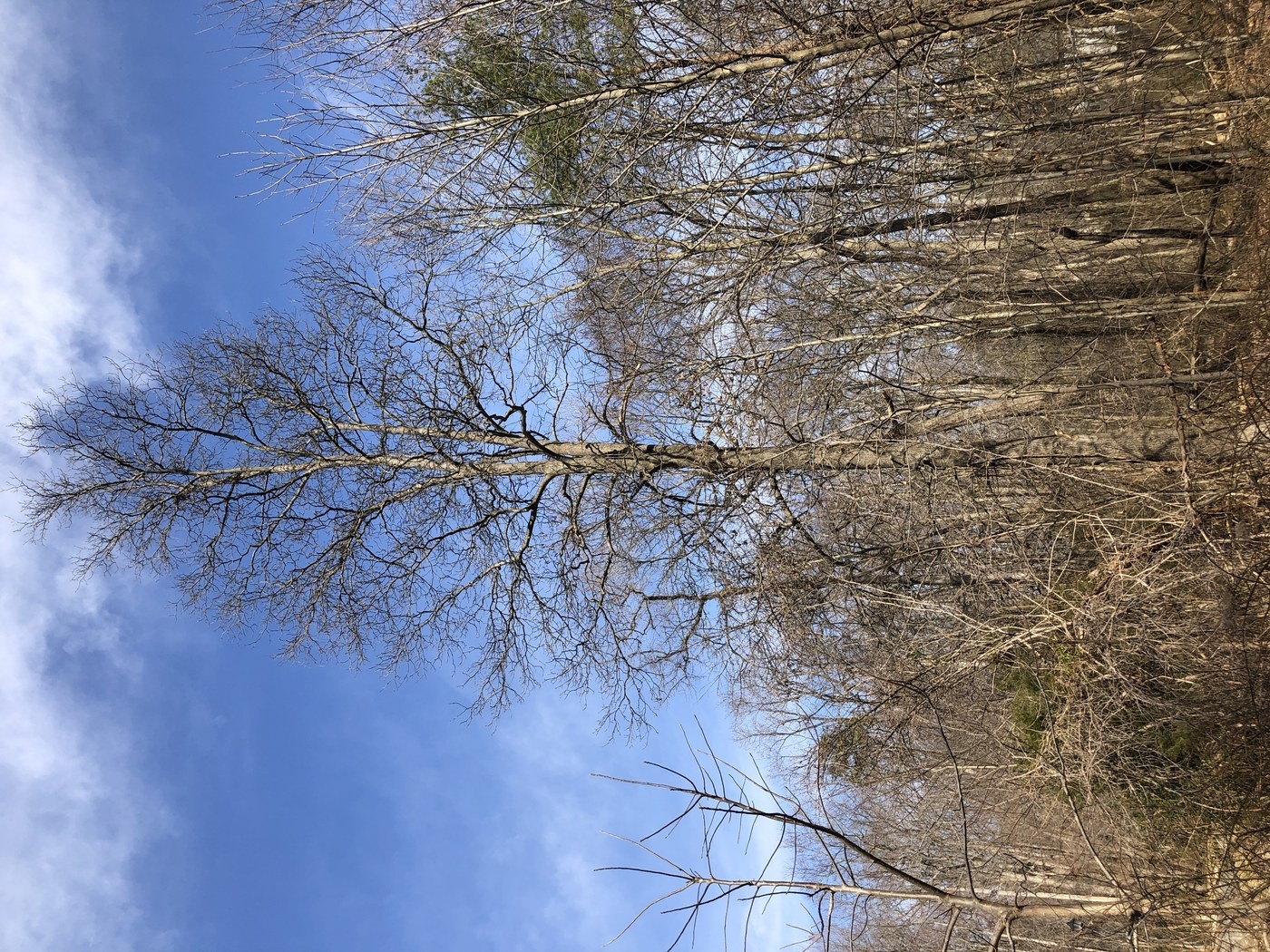
Key Identifying Features
Mockernut Hickory (Carya tomentosa, also called Carya alba) is a sturdy upland tree of dry eastern forests, 50-80 feet tall. Its name reflects the contrast between the very thick husk and shell and the tiny kernel inside. The species name tomentosa means densely hairy, and fuzz (tomentum) is the theme of this tree — on the leaf undersides, leaf stalks, and especially the large terminal buds.
- Large (1/2-3/4 inch), rounded, downy brown-gray terminal buds
- Compound leaves with 7-9 fragrant, hairy leaflets
- Thick husk and thick-shelled nut with a small kernel
Leaves & Stems
Leaves are pinnately compound, 8-14 inches long, with 7-9 leaflets (most often 7). Leaflets are large, oblong to lance-shaped, finely toothed, dark yellow-green above and densely hairy/fuzzy beneath. Crushed leaves are fragrant and spicy — a useful confirming clue. The leaf stalk (rachis) is stout and downy.
Twigs are stout, gray-brown, and hairy. The big, hard, fuzzy terminal bud with outer scales that split and curl back is the most reliable winter feature. Bark is gray, tight, and develops a hard, rounded interlacing ridge pattern — never shaggy.
Flowers & Fruit
Greenish male catkins hang in branched clusters in spring; female flowers are small spikes at the shoot tips. The fruit is a nearly round to slightly egg-shaped nut, 1.5-2 inches, with a thick, hard husk that splits along four lines almost to the base. The shell is thick and strongly four-ribbed, enclosing a small kernel. The disproportionate husk-to-kernel ratio is diagnostic.
How to Tell It Apart from Look-Alikes
- Pignut hickory: smooth hairless leaves, small brown buds, thin husk; mockernut is hairy with big fuzzy buds and thick husk.
- Bitternut hickory: yellow buds, slender hairless leaves; mockernut buds are brown and downy.
- Shagbark hickory: shaggy peeling bark; mockernut bark is tight.
- Black walnut: chambered pith, many more leaflets; mockernut has solid pith.
The big fuzzy bud plus fragrant, downy 7-9-leaflet leaves and a thick husk make mockernut unmistakable.
Where You'll Find It
Mockernut Hickory grows on dry upland slopes, ridges, and well-drained sandy soils in oak-hickory forests throughout the eastern and central United States, from southern New England and Ontario south to Florida and west to Texas and Kansas. It is the most abundant hickory across much of the South.
Quick ID Checklist
- Large, rounded, downy terminal buds
- 7-9 leaflets, hairy beneath, fragrant when crushed
- Stout, hairy twigs and stout leaf stalk
- Tight gray bark with hard interlacing ridges
- Thick husk and shell, small kernel
- Dry upland oak-hickory forests of the eastern U.S.
Frequently asked questions
Why is it called mockernut?
Because the thick husk and hard shell suggest a big nut but enclose only a small kernel, "mocking" anyone who works to crack it open.
How do I tell mockernut from pignut hickory?
Touch the leaves and buds: mockernut has densely hairy leaf undersides and large fuzzy buds, while pignut leaves are smooth and its buds are small and hairless. Mockernut also has a much thicker husk.
Do the leaves smell?
Yes — crushed mockernut leaves are noticeably fragrant and spicy, a helpful confirming clue alongside the fuzzy buds.