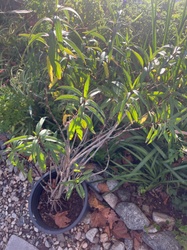
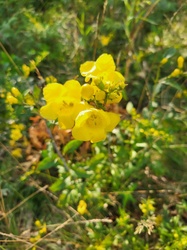
How to Care for Monkey Flower
Monkey Flower is a cheerful moisture-loving perennial with bright yellow blooms, perfect for pond edges, bog gardens, and wet spots.
Read the full Monkey Flower encyclopedia entry →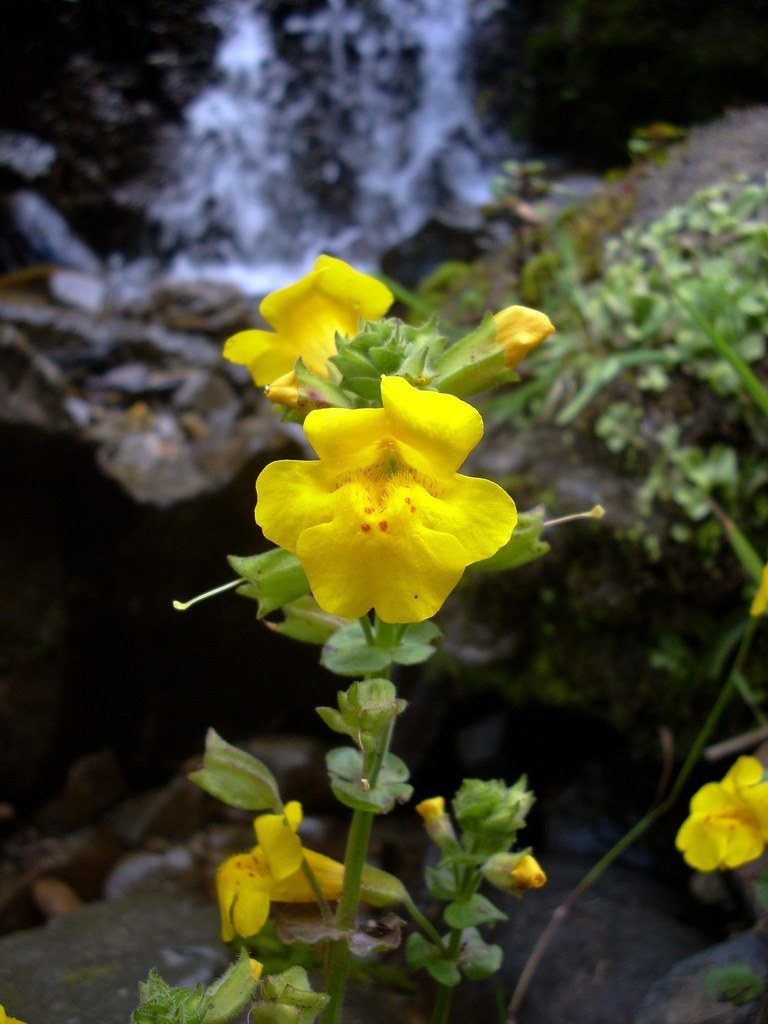
Monkey Flower (Erythranthe guttata, formerly Mimulus guttatus) is a lively perennial that produces masses of bright yellow, often red-speckled snapdragon-like blooms. It is happiest in consistently wet ground, making it a natural choice for streamsides, bog gardens, and pond margins.
Light
Grow Monkey Flower in full sun to part shade. Full sun produces the most abundant flowering as long as the roots stay moist, while a little afternoon shade helps in hot climates by reducing moisture stress. Deep shade reduces blooming and encourages weak, floppy stems.
Water
This is a thirsty plant that wants high, consistent moisture, from constantly damp soil to shallow standing water. Never let it dry out, especially in sun; drought quickly causes wilting and leaf browning. It is ideal for spots that stay wet where other plants struggle, and it can be grown in the boggy margins of ponds.
Soil & Potting
Monkey Flower thrives in rich, moisture-retentive soil high in organic matter. Heavy soils that hold water suit it well, unlike most garden plants. For container or bog culture, use a water-retentive mix and stand the pot in a saucer of water, or plant directly in the saturated zone at a pond edge.
Humidity & Temperature
Adaptable across temperate climates and generally hardy in USDA zones 6 to 9, it appreciates cool, moist conditions and higher ambient humidity. It performs well in mild summers and can flag in intense dry heat unless kept very wet. In cold regions it dies back and returns from the roots.
Feeding
Feed lightly in spring with a balanced fertilizer as growth resumes. Rich, organic soil often supplies most of what it needs. Avoid heavy feeding, which promotes lush foliage and floppy stems over flowers.
Propagation
Monkey Flower propagates easily. Sow the tiny seeds on the surface of moist soil in spring, since they need light and moisture to germinate. It also roots readily from stem cuttings placed in wet soil or even a glass of water, and established clumps can be divided in spring.
Repotting / Pruning
Shear back leggy or spent growth after the first flush to encourage a fresh, tidy mound and often a second wave of bloom. Divide crowded clumps every couple of years in spring to keep them vigorous. Container plants benefit from refreshing the soil annually.
Common Problems & Pests
The most common problems come from insufficient moisture, showing as wilting and crisping leaf edges. In dry air, spider mites can appear, and aphids sometimes cluster on soft new growth. Powdery mildew may develop if plants dry out and are stressed; keeping the soil reliably wet is the best prevention.
Seasonal Care Tips
In spring, divide, sow seed, and feed lightly as growth begins. Through summer, the top priority is keeping the soil wet and shearing back to prolong bloom. In fall, growth slows and the plant sets seed. In winter it dies back in cold areas; keep the crown from drying out completely and it will return.
Frequently asked questions
Can Monkey Flower grow in standing water?
Yes. It thrives in the saturated, boggy margins of ponds and streams and tolerates shallow standing water, making it ideal for consistently wet spots in the garden.
Why are my Monkey Flower leaves wilting and browning?
Almost always from lack of water. This plant needs constantly moist to wet soil, and it wilts quickly if it dries out, especially in full sun. Increase watering right away.
How do I get more flowers from Monkey Flower?
Give it plenty of sun with consistently wet roots, and shear back leggy or spent stems after the first flush to encourage a fresh mound and a second wave of blooms.
Is Monkey Flower easy to propagate?
Very. Surface-sow the tiny seeds on wet soil, root stem cuttings in water or wet soil, or divide established clumps in spring. All methods work reliably.
Monkey Flower identified by the community
Recent Monkey Flower specimens identified with Plant Identifier.