
How to Care for Monkey Puzzle Tree
Grow the Monkey Puzzle Tree (Araucaria araucana), a striking evergreen conifer with stiff, spiraling scale-like leaves and a bold architectural silhouette.
Read the full Monkey Puzzle Tree encyclopedia entry →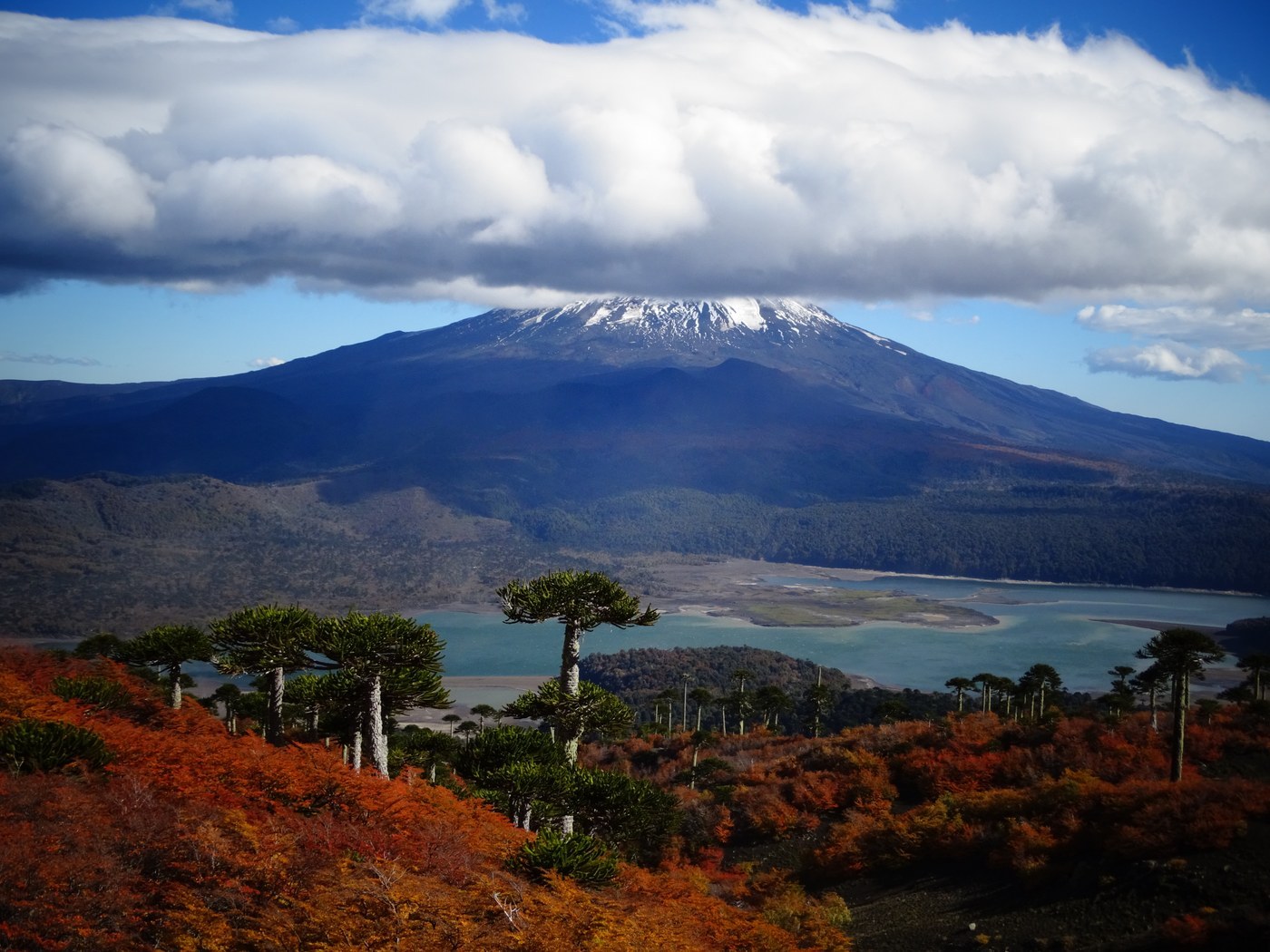
The Monkey Puzzle Tree (Araucaria araucana) is a distinctive, slow-growing evergreen conifer famous for its symmetrical whorled branches clad in stiff, sharp, overlapping scale-like leaves. A living relic with an unmistakable architectural form, it makes a dramatic specimen in large gardens and needs full sun and patience to reach its full, statuesque potential.
Light
Plant the Monkey Puzzle Tree in full sun for the densest growth and strongest symmetrical form. It tolerates a little light shade when young but develops its characteristic branching and vigor best in an open, sunny position with room to spread. Give it a site well away from buildings, as it eventually grows very tall.
Water
Provide moderate, even moisture in well-drained soil. Young trees benefit from regular watering while they establish, keeping the root zone from drying out completely. Once established, it is fairly self-sufficient but appreciates deep watering during prolonged dry spells. It dislikes waterlogged ground, so drainage is critical to prevent root problems.
Soil & Potting
Grow it in deep, fertile, well-drained soil with a slightly acidic to neutral pH. It adapts to a range of soils, from loam to sandy or volcanic ground reminiscent of its native slopes, as long as drainage is good. Avoid heavy, compacted, or perpetually wet soils. Young trees can be grown in large containers with a free-draining mix before planting out, but they resent frequent root disturbance.
Humidity & Temperature
This conifer favors cool, moist, temperate climates with mild summers and generally moderate conditions. It is hardy to considerable cold once established and dislikes intense, prolonged heat and drought. Sheltering young trees from harsh, drying winds helps them establish, though mature specimens are wind-firm.
Feeding
Feeding needs are low. A light application of a balanced or slow-release fertilizer in spring supports young trees, and an annual mulch of organic matter around the root zone provides steady nourishment. Avoid heavy nitrogen feeding, which can force weak growth. Established trees in reasonable soil generally need little supplemental feeding.
Propagation
The Monkey Puzzle Tree is most reliably grown from seed, which is large and best sown fresh in a deep pot or the ground, as the seedlings develop a long taproot. Germination can be slow. Cuttings are difficult and, if taken, must come from an upright leading shoot to produce a properly shaped tree; side-branch cuttings grow lopsided. Seed remains the preferred method for a well-formed specimen.
Repotting / Pruning
Container-grown young trees should be potted on carefully into deeper pots as they grow, minimizing root disturbance, before being planted in their permanent spot while still young. Pruning is rarely needed and generally discouraged, as the tree's natural symmetry is its main appeal and it does not regrow well from cut branches. Simply remove dead or damaged lower limbs cleanly if necessary.
Common Problems & Pests
The Monkey Puzzle Tree is notably tough and largely pest-free. The main problems stem from poor drainage and overly wet soil, which can cause root rot, and from heat or drought stress that browns the foliage. Lower branches may naturally die back and drop over time on maturing trees. Occasional scale insects or honey fungus can affect stressed specimens, so keep the tree vigorous and its site well drained.
Seasonal Care Tips
Plant in spring or autumn to allow roots to establish before extremes of heat or cold. Water regularly through the first summers and mulch to conserve moisture and moderate soil temperature. In spring, apply a light feed and refresh the mulch. Shelter young trees from cold, drying winter winds; mature trees need little seasonal intervention beyond deep watering in drought.
Frequently asked questions
How fast does a Monkey Puzzle Tree grow?
It is a slow grower, especially in its early years, adding modest height per season before speeding up somewhat once well established. Expect a long-term project; these trees are famously long-lived and reach great heights only over many decades.
Does the Monkey Puzzle Tree need full sun?
Yes, it grows best in full sun, which produces its dense, symmetrical branching. It tolerates light shade when young but should have an open, sunny site with plenty of room to develop its full form.
Why are the lower branches of my Monkey Puzzle Tree turning brown?
Some lower-branch dieback is natural as the tree matures and self-cleans its trunk. Browning can also result from drought stress or poorly drained, waterlogged soil. Ensure good drainage and deep watering during dry spells.
Can I grow a Monkey Puzzle Tree in a pot?
Young trees can be grown in a large, deep container with free-draining soil, but they develop a long taproot and dislike root disturbance. Plant them in their permanent position while still young for the healthiest long-term growth.