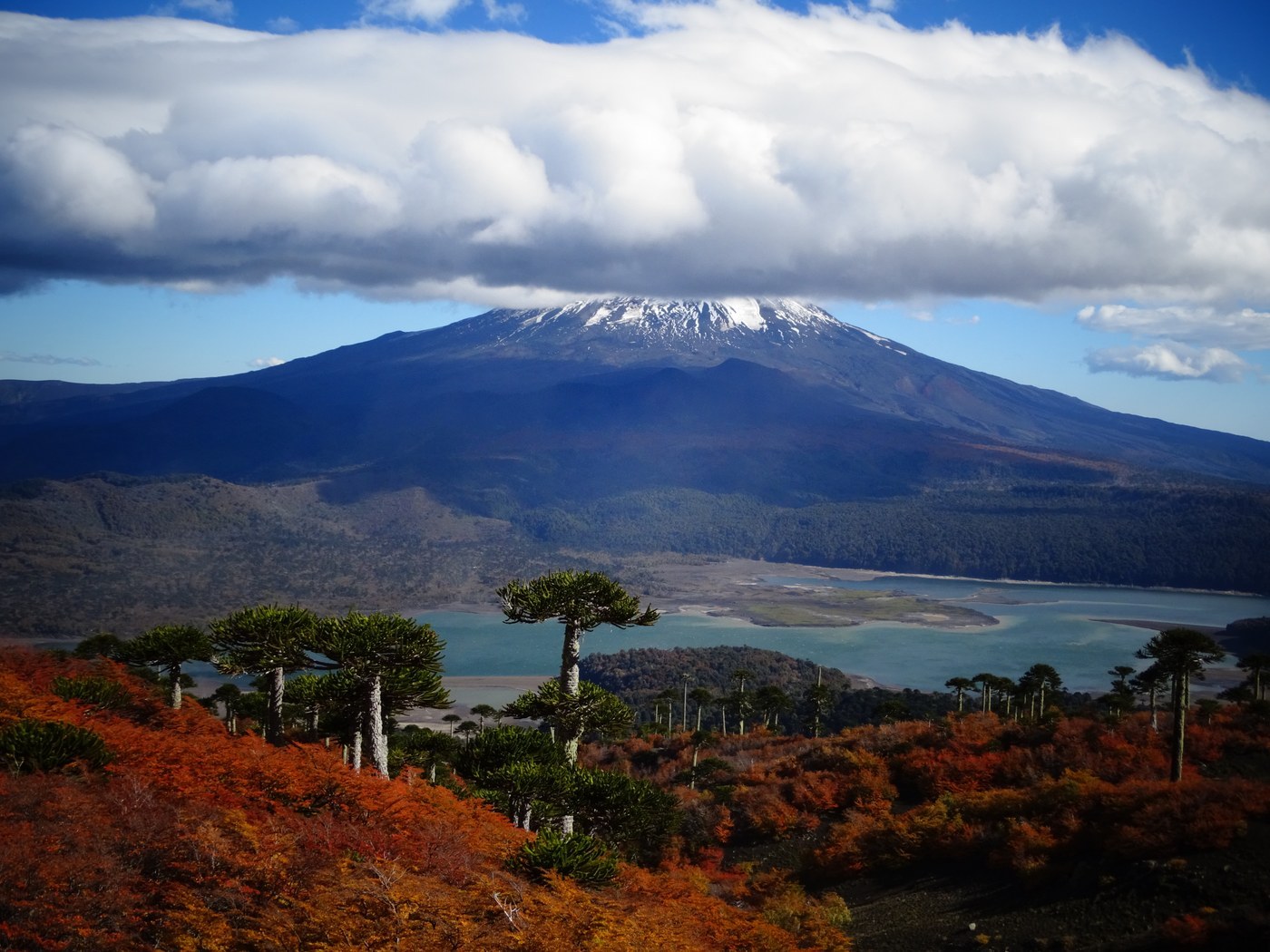
Monkey Puzzle Tree
Araucaria araucana
The monkey puzzle is a striking evergreen conifer from the Andes with stiff, spiral-arranged spiky leaves and a distinctive symmetrical, dome-topped silhouette. It is a living fossil, virtually unchanged for millions of years, and can live over a thousand years.
- Light
- Full sun
- Water
- Moderate; well-drained soil
- Difficulty
- Moderate
Got a plant like this?
Identify any plant from a photo, free.
Overview
Araucaria araucana is an ancient evergreen conifer native to the volcanic slopes of Chile and Argentina. Its peculiar architecture, with rope-like branches densely covered in sharp triangular leaves, makes it one of the most recognizable trees in cultivation.
The common name supposedly arose when a Victorian observer remarked it would puzzle a monkey to climb. Slow-growing but extremely long-lived, it is Chile's national tree and is sacred to the Mapuche-Pehuenche people.
Now classified as endangered in the wild, it remains a prized specimen in large gardens and parks across temperate regions worldwide.
How to identify it
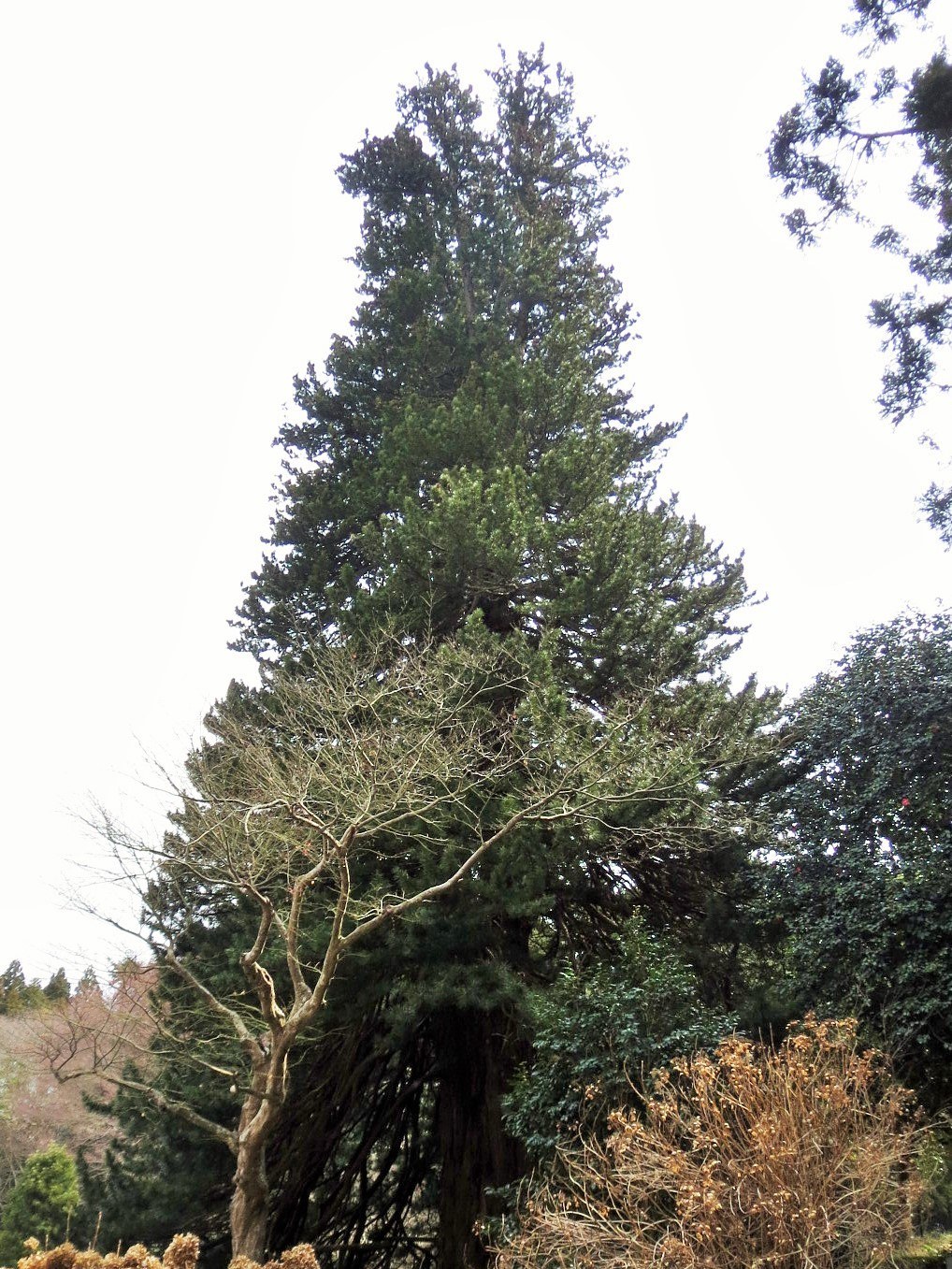
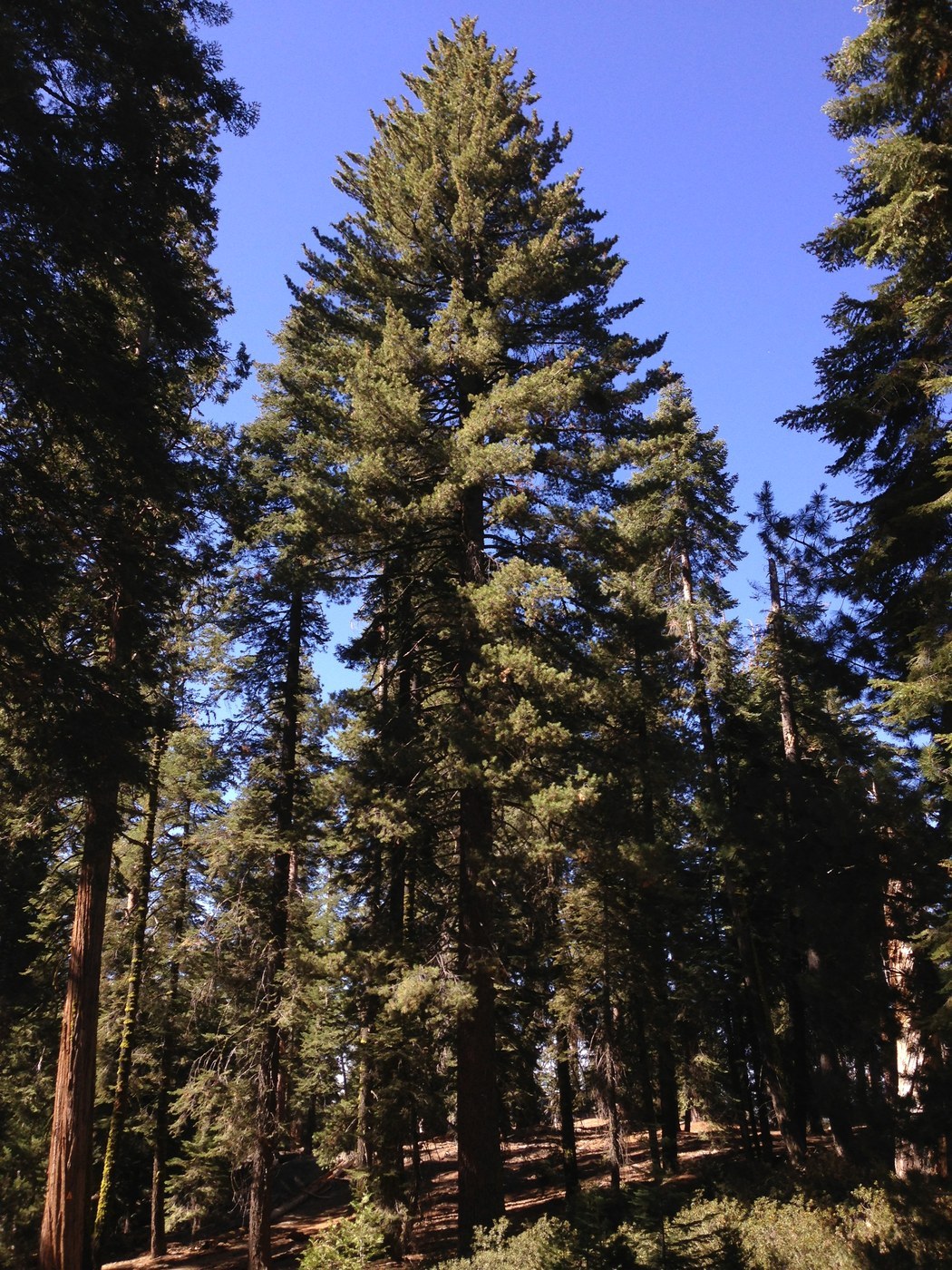
A tall, narrow-domed evergreen reaching 30-40 m, with a straight trunk and a distinctive umbrella-like crown of horizontal branches.
- Leaves: thick, leathery, dark green, sharply pointed triangular scales arranged in dense spirals, completely covering the branches
- Bark: grey, wrinkled and resinous, often described as elephant-skin textured
- Branches: stiff, rope-like, radiating in symmetrical whorls
- Cones: dioecious; female cones large and globular (to 20 cm), releasing large seeds
- Habit: lower branches drop with age, leaving a clean trunk topped by a rounded canopy
Care & growing
Best grown outdoors in cool-temperate climates as a long-term specimen tree.
- Light: full sun for best form
- Water: keep moist when young; established trees are moderately drought-tolerant but dislike waterlogging
- Soil: deep, fertile, well-drained, slightly acidic
- Temperature: hardy to about -15°C; tolerates cool maritime climates well
- Feeding: rarely needed in good soil; a balanced feed in spring helps young trees
- Propagation: from fresh seed, which germinates readily but slowly; cuttings are difficult
Habitat & origin
Native to the southern Andes of central Chile and west-central Argentina, where it grows on volcanic, well-drained slopes between roughly 600 and 1,800 m elevation, often forming pure stands tolerant of snow and fire.
It is widely planted as an ornamental in cool-temperate regions including the UK, Pacific Northwest, and parts of New Zealand, where its symmetry suits parks and large lawns.
Frequently asked questions
Why is it called the monkey puzzle tree?
The name comes from a 19th-century remark that climbing its spiky branches would puzzle even a monkey. No monkeys live in its native range.
How fast does it grow?
It is slow-growing, typically adding 20-30 cm per year, but extremely long-lived, often exceeding 1,000 years.
Is it endangered?
Yes, it is listed as endangered in the wild due to logging, fire, and grazing, though it remains common in cultivation.
Monkey Puzzle Tree guides
In-depth guides for identifying, growing, and caring for Monkey Puzzle Tree.
How to Care for Monkey Puzzle Tree
Grow the Monkey Puzzle Tree (Araucaria araucana), a striking evergreen conifer with stiff, spiraling scale-like leaves and a bold architectural silhouette.
Monkey Puzzle Tree Identification Guide
How to identify the Monkey Puzzle Tree (Araucaria araucana) by its unmistakable spiky, reptilian branches, rigid leathery scale-leaves, and umbrella-shaped silhouette.