
How to Care for Moon Cactus
Grow a vivid Moon Cactus indoors with bright indirect light, sparing water, and gritty, fast-draining soil for a healthy grafted specimen.
Read the full Moon Cactus encyclopedia entry →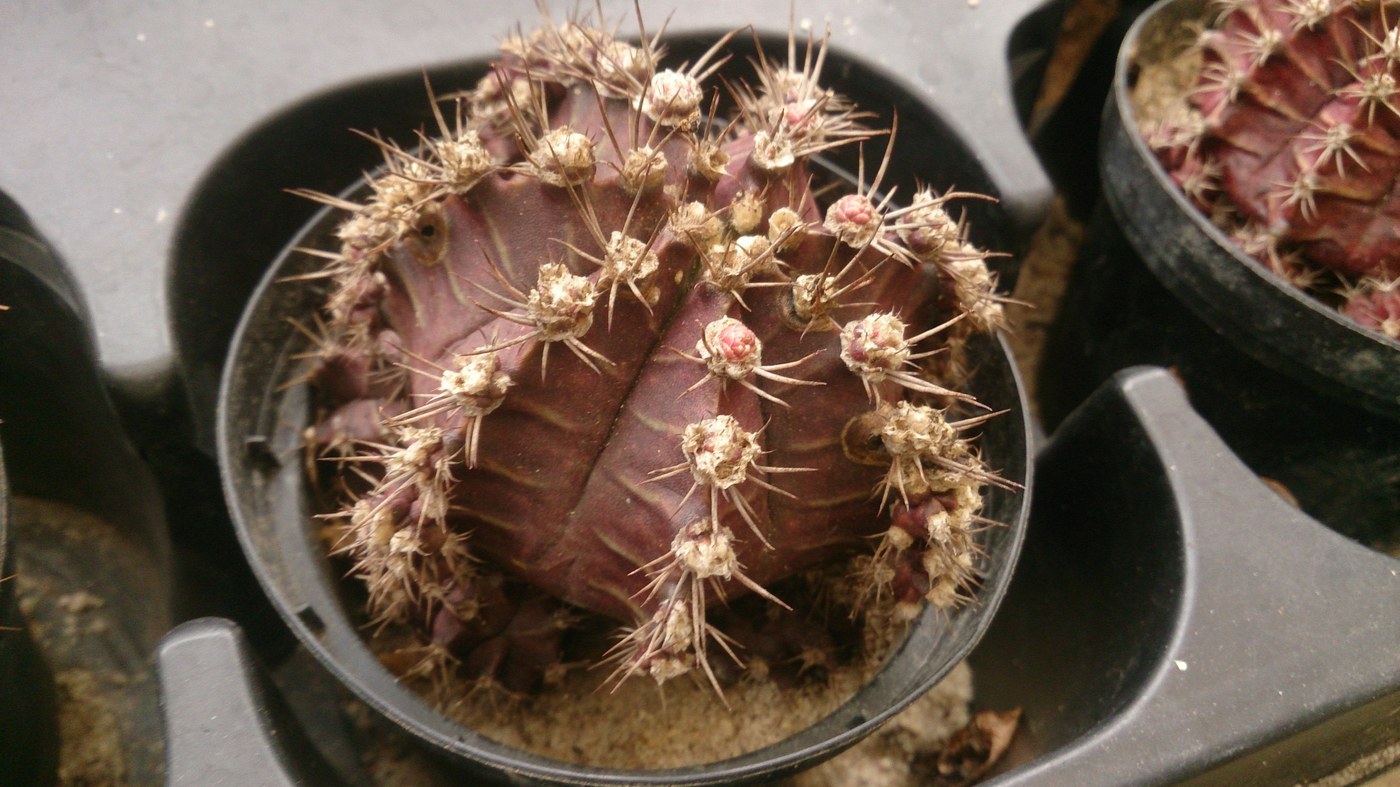
The Moon Cactus (Gymnocalycium mihanovichii) is a small, brightly colored cactus famous for its red, orange, pink, or yellow crown grafted onto a green rootstock cactus, usually a Hylocereus column. Because the colorful scion lacks chlorophyll, it depends entirely on the green base for survival, which shapes almost every aspect of its care.
Light
Give the Moon Cactus bright indirect light. A spot near an east- or a lightly shaded south-facing window is ideal. The colorful top can bleach or scorch under harsh, direct midday sun, while the green rootstock needs plenty of light to feed the whole plant, so aim for a bright location without prolonged direct rays. Rotate the pot every week or two so the plant grows evenly and does not lean.
Water
Water sparingly and always let the soil dry out almost completely between waterings. Soak the mix thoroughly, let excess drain away, and then wait until it is dry to the touch well below the surface before watering again. In practice this often means watering every two to three weeks in the growing season and much less in winter. Overwatering and standing moisture are the most common causes of rot at the graft union, so err on the dry side.
Soil & Potting
Use a gritty, fast-draining cactus and succulent mix. You can improve a standard cactus soil by adding extra perlite, pumice, or coarse sand so water runs through quickly. Always plant in a container with a drainage hole; a shallow pot suits the shallow root system. Terracotta is a good choice because it wicks moisture away and helps the soil dry.
Humidity & Temperature
Moon Cactus prefers average-to-low household humidity and dislikes damp, stagnant air. Warm room temperatures of roughly 65 to 80 F (18 to 27 C) suit it well. Keep it away from cold drafts and unheated windows in winter, as it is sensitive to chill. Never let it sit below about 50 F (10 C) for long.
Feeding
Feed lightly during the spring and summer growing period using a diluted cactus or low-nitrogen fertilizer, about once a month at half strength. Do not feed in fall and winter when growth slows. Excess fertilizer pushes weak, soft growth on the rootstock and offers little benefit to the colorful crown.
Propagation
Propagation is usually done by grafting rather than cuttings, since the colored scion cannot photosynthesize on its own. Offsets that form around the colored top can be cut and grafted onto a fresh green columnar rootstock such as a Hylocereus. This is an advanced technique, so many growers simply enjoy the plant as purchased and replace it when the graft eventually declines.
Repotting / Pruning
Repot only every couple of years or when the plant clearly outgrows its pot, ideally in spring. Handle carefully with folded paper or gloves to avoid damaging the graft. Little pruning is needed; you can remove any offsets if you want to keep a clean single crown, and cut away any shriveled or rotting tissue promptly with a clean blade.
Common Problems & Pests
The biggest problem is rot from overwatering, which shows as soft, brown, or mushy tissue near the graft or base; keep the plant dry and airy to prevent it. Watch for mealybugs (white cottony clusters) and spider mites, treating them by wiping with a cotton swab or an appropriate insecticidal treatment. A gradually fading or dulling crown is often natural aging of the graft rather than a care fault.
Seasonal Care Tips
In spring and summer, resume light feeding and slightly more frequent watering as the plant actively grows. In fall, taper both back. In winter, keep the plant cool, bright, and nearly dry, watering only enough to prevent extreme shriveling. This seasonal rest helps keep the rootstock healthy and prolongs the life of the colorful graft.
Frequently asked questions
Why is my Moon Cactus turning brown at the base?
Browning or softening near the graft or base is usually rot from overwatering. Let the soil dry fully, ensure the pot drains freely, and cut away any mushy tissue with a clean blade.
How often should I water a Moon Cactus?
Water sparingly, roughly every two to three weeks in the growing season and much less in winter, always letting the soil dry out well below the surface first.
Can I grow a Moon Cactus in direct sunlight?
Bright indirect light is best. The colorful crown can bleach or scorch in harsh direct midday sun, so provide bright light with only gentle direct rays.
Why is the color fading on my Moon Cactus?
Gradual dulling is often natural aging of the grafted crown. Ensure it gets bright indirect light and a healthy green rootstock, but some fading over time is normal.