
How to Care for Moon Valley Pilea
Moon Valley Pilea dazzles with deeply textured, quilted bronze-green leaves — give it bright indirect light and lightly moist soil.
Read the full Moon Valley Pilea encyclopedia entry →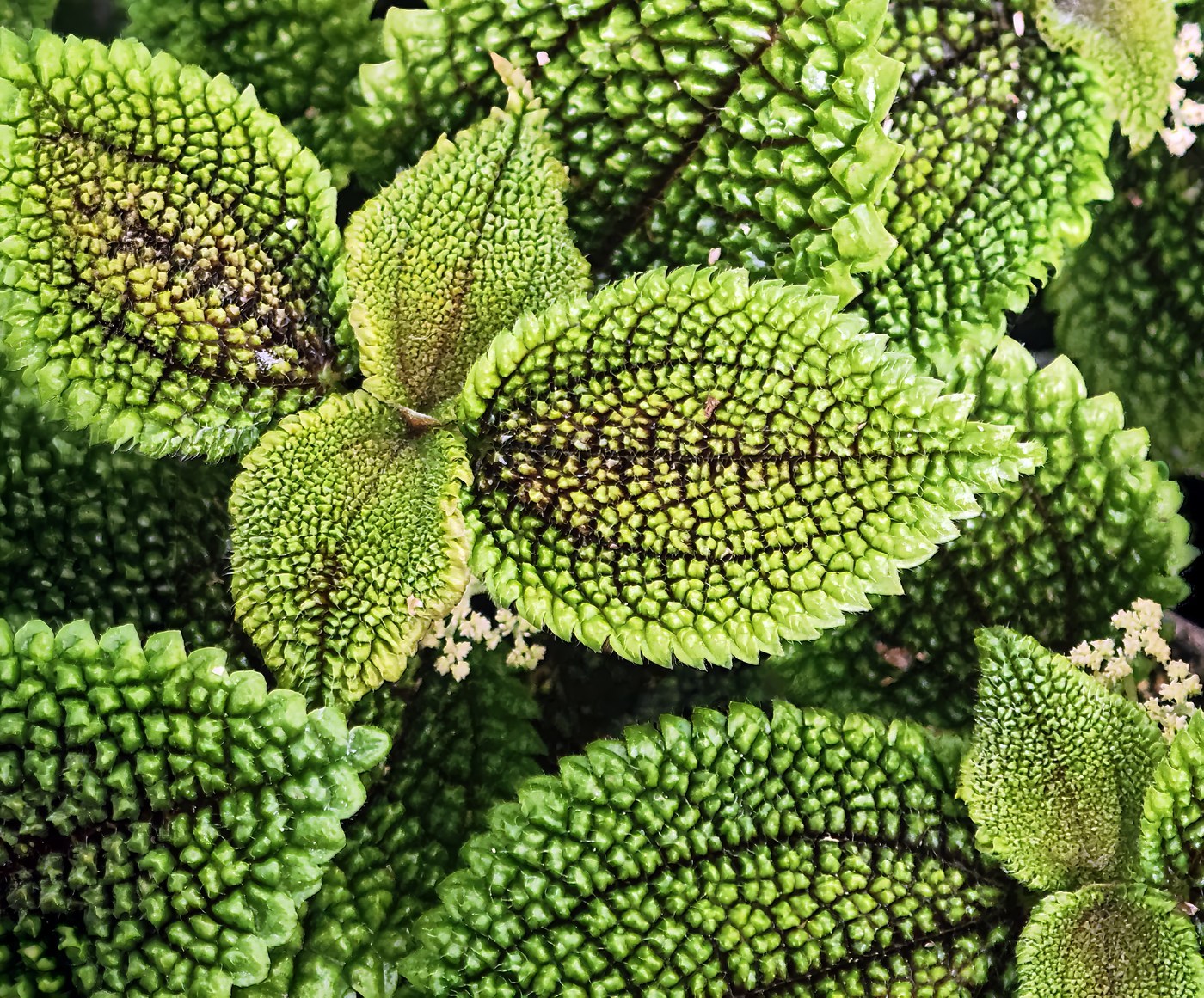
Moon Valley Pilea (Pilea mollis) is a compact tropical houseplant famous for its intensely textured, quilted leaves in coppery bronze-green with dark sunken veins that resemble a moonscape. It rewards attention to light, moisture, and humidity with lush, richly colored foliage.
Light
Give Moon Valley Pilea bright, indirect light. Plenty of soft light brings out the deepest leaf texture and richest bronze coloring, while too little light produces pale, leggy, stretched growth. Avoid harsh direct sun, which scorches and bleaches the delicate foliage. An east-facing window or a spot just back from a brighter window is ideal; rotate the plant for even growth.
Water
Keep the soil lightly and evenly moist — water when the top half-inch to inch begins to dry. This Pilea dislikes drying out fully, which causes wilting and leaf drop, but it equally dislikes sitting in soggy soil. Water thoroughly, let excess drain, and never leave the pot standing in water. Ease back a little in winter.
Soil & Potting
Use a light, airy, well-draining potting mix — a peat-based or coco-based mix lightened with perlite works well. The goal is a medium that holds gentle moisture yet drains freely so roots get oxygen. Always pot in a container with drainage holes.
Humidity & Temperature
As a tropical plant, Moon Valley Pilea appreciates moderate to high humidity; dry indoor air can cause crispy leaf edges. Grouping plants, using a pebble tray, or a humidifier all help. Keep it warm, roughly 65–80°F (18–27°C), and away from cold drafts, drying heat vents, and sudden temperature swings.
Feeding
Feed with a balanced, diluted liquid houseplant fertilizer every few weeks during spring and summer. This is a modest feeder, so err on the weak side to avoid salt buildup that browns leaf edges. Stop feeding in fall and winter when growth slows.
Propagation
Moon Valley Pilea is easy to propagate from stem tip cuttings. Take a healthy cutting with a few leaves, root it in water or directly in moist soil, and keep it warm and humid until new roots and growth appear. Regular propagation also lets you refresh older, leggy plants.
Repotting / Pruning
Repot in spring every year or two, or when roots fill the pot, moving up just one size in fresh mix. Pinch back growing tips to encourage a bushier, fuller shape and remove any tired or damaged leaves. Pruning leggy stems rejuvenates the plant and yields cuttings for propagation.
Common Problems & Pests
Crispy brown leaf edges usually mean low humidity or underwatering; drooping and softening point to overwatering. Faded, stretched growth signals too little light. Watch for spider mites (favored by dry air), fungus gnats in constantly wet soil, and occasional mealybugs. Correct watering and humidity prevent most issues.
Seasonal Care Tips
Spring: repot if needed, resume feeding, and take cuttings as growth accelerates. Summer: keep soil lightly moist and humidity up during warm, active growth. Fall: reduce feeding as growth slows. Winter: water a touch less, keep away from cold drafts and heaters, and boost humidity to counter dry indoor air.
Frequently asked questions
Why are the leaf edges on my Moon Valley Pilea turning brown and crispy?
Crispy edges usually mean the air is too dry or the plant dried out too much between waterings. Raise humidity with a pebble tray or humidifier and keep the soil lightly, evenly moist.
How much light does Moon Valley Pilea need?
Bright indirect light. Good soft light deepens the bronze color and quilted texture, while low light causes pale, leggy growth. Avoid harsh direct sun, which scorches the leaves.
How do I make my Moon Valley Pilea bushier?
Pinch back the growing tips regularly and remove tired leaves. This encourages branching for a fuller plant, and the tips you remove root easily as new cuttings.
How often should I water Moon Valley Pilea?
Keep it lightly moist — water when the top half-inch to inch of soil begins to dry. Don't let it dry out fully (it wilts) and don't leave it soggy (roots rot).