Moon Valley Pilea
Pilea mollis
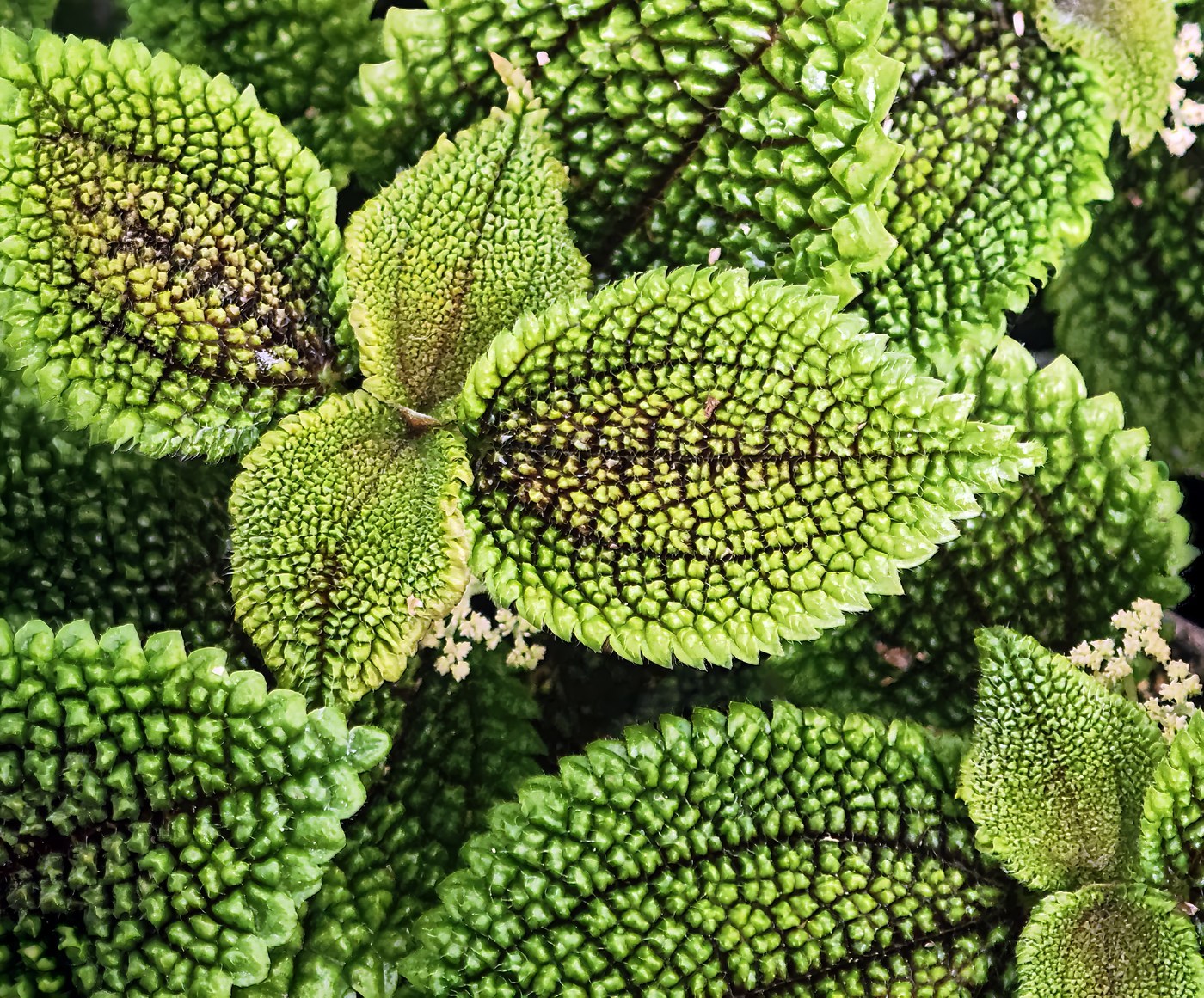
Moon Valley pilea is a compact tropical houseplant grown for its deeply textured, quilted bright green leaves with bronze sunken veins that resemble a lunar landscape.
- Light
- Bright indirect light
- Water
- Keep lightly moist
- Difficulty
- Moderate
Got a plant like this?
Identify any plant from a photo, free.
Overview
Moon Valley pilea is a bushy foliage plant celebrated for its remarkable leaf texture: deeply puckered, quilted surfaces with contrasting dark, sunken veins that look like the cratered surface of the moon.
A cultivar of Pilea mollis (often labeled 'Moon Valley'), it is a member of the friendship plant group, easy to share via cuttings. Native to Central and South America, it stays compact and bushy, making it a colorful, textural choice for tabletops.
How to identify it
Recognize it by:
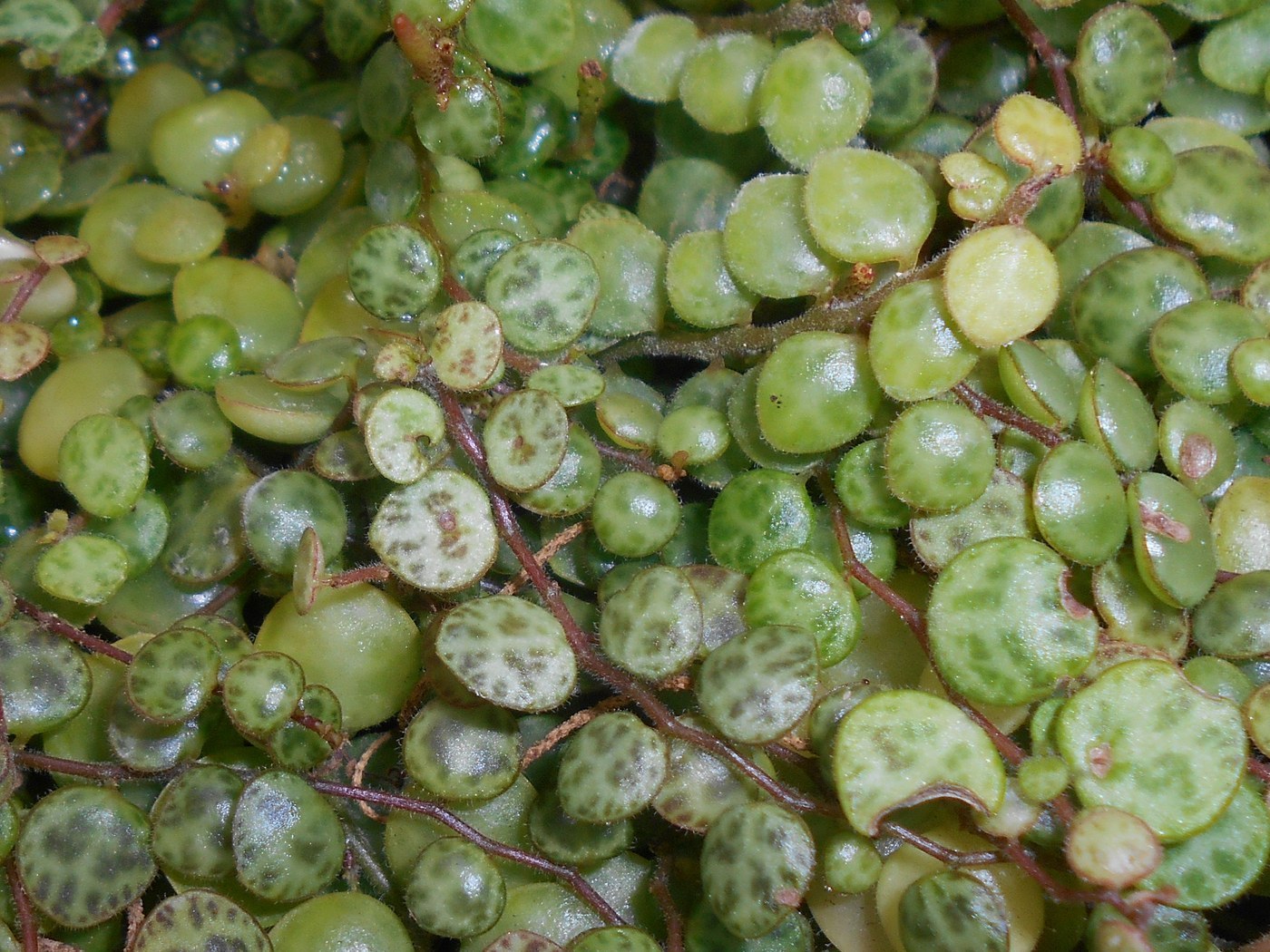
- Leaves: oval, toothed-edged, bright chartreuse-green, deeply quilted and puckered
- Veins: dark bronze to coppery, sunken, creating the moon-crater effect
- Texture: heavily embossed, almost three-dimensional surface
- Habit: compact, bushy, mounding, usually under 12 in tall
- Hairs: leaves have a soft, slightly fuzzy texture
Care & growing
Light: Bright indirect light keeps colors vivid and growth compact; avoid direct sun.
Water: Keep the soil lightly and evenly moist; water when the top of the soil begins to dry. Avoid sogginess and dryness extremes.
Soil: Light, well-draining potting mix.
Temperature: 65-80F; enjoys moderate to high humidity.
Feeding: Diluted balanced fertilizer during the growing season.
Propagation: Very easy from stem cuttings, hence the friendship plant name; root in water or moist soil.
Habitat & origin
Pilea mollis is native to the tropical forests of Central and South America, growing in warm, humid, shaded understory conditions.
The 'Moon Valley' selection is grown worldwide as a compact houseplant, prized for its texture and easy propagation.
Frequently asked questions
Why is it called Moon Valley?
The deeply quilted leaves with dark sunken veins resemble the cratered, valleyed surface of the moon.
Why is it a friendship plant?
Pilea in this group root so easily from cuttings that gardeners traditionally share them with friends, hence the name.
How much light does it need?
Bright indirect light keeps the foliage colorful and compact. Too little light makes it leggy; direct sun scorches the leaves.
Moon Valley Pilea guides
In-depth guides for identifying, growing, and caring for Moon Valley Pilea.
How to Care for Moon Valley Pilea
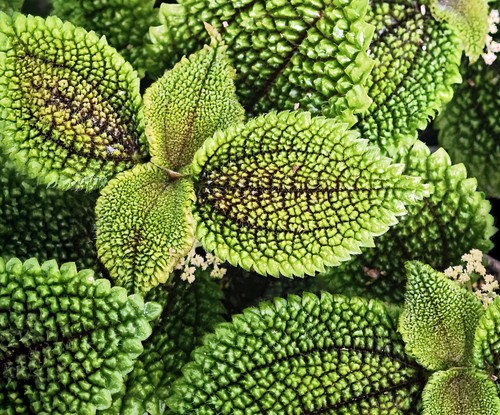
Moon Valley Pilea dazzles with deeply textured, quilted bronze-green leaves — give it bright indirect light and lightly moist soil.
Moon Valley Pilea Identification Guide
Identify Moon Valley Pilea (Pilea mollis 'Moon Valley') by its deeply textured, quilted bright-green leaves with sunken bronze veins resembling a lunar landscape.