
How to Care for Moth Orchid
Keep Phalaenopsis amabilis blooming for months with bright indirect light, weekly watering that lets roots dry, and airy orchid bark.
Read the full Moth Orchid encyclopedia entry →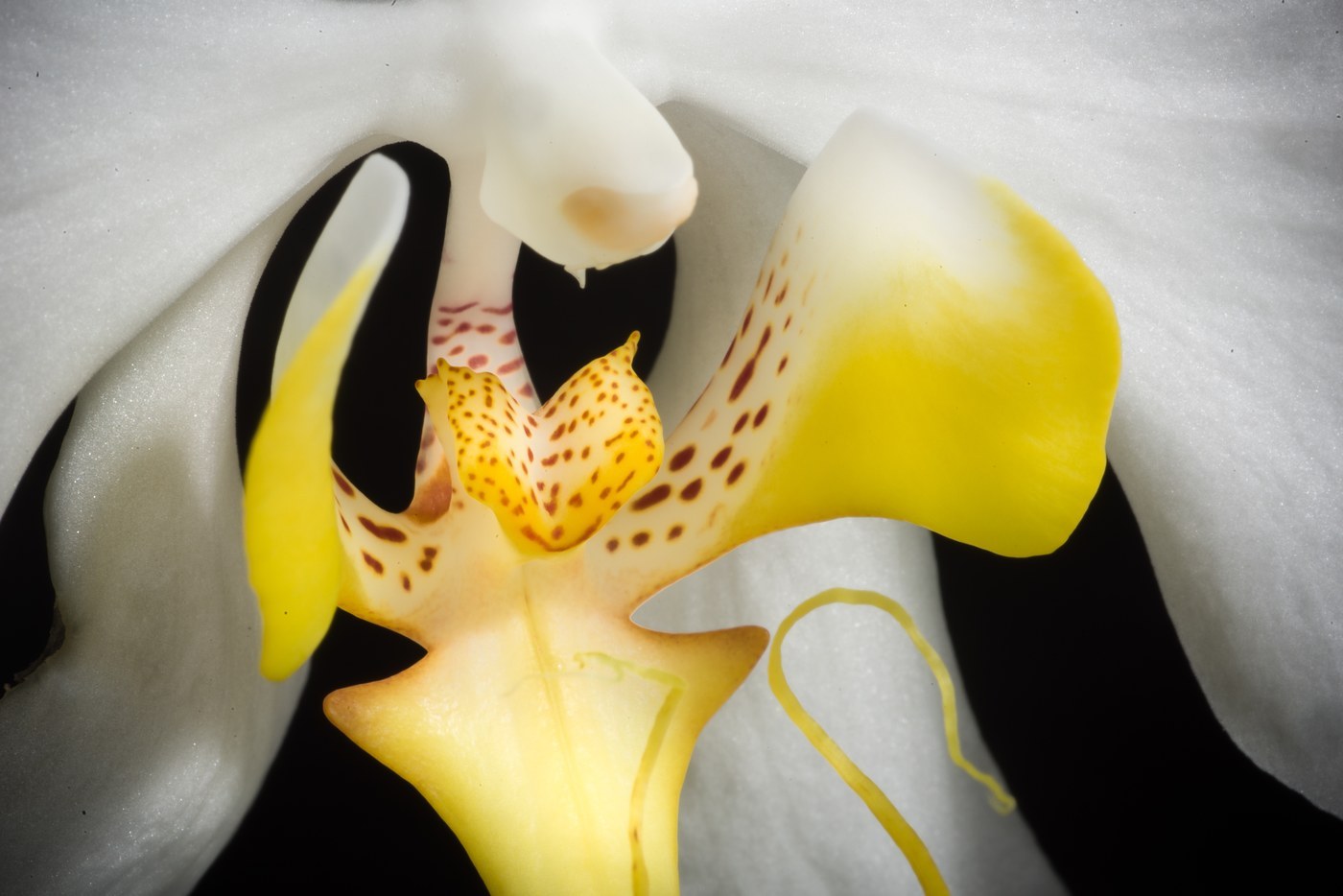
The moth orchid (Phalaenopsis amabilis) is the most popular and beginner-friendly orchid, prized for its arching sprays of broad, long-lasting flowers and glossy strap-like leaves. As an epiphyte that naturally grows on trees, it needs airy conditions at the roots rather than dense soil, and rewards steady care with blooms that can last for months.
Light
Provide bright, indirect light. An east-facing window with gentle morning sun is ideal, as is a lightly shaded south or west window. Leaves should be a healthy medium green; dark green leaves signal too little light, while yellowish or reddish leaves indicate too much direct sun, which can scorch the foliage. Adequate light is key to encouraging reblooming.
Water
Water about once a week, thoroughly drenching the roots, then allow the medium and roots to dry before watering again. Silvery-green roots mean it is time to water; bright green roots mean there is still moisture present. Never let the plant sit in standing water, as the roots rot quickly. Water in the morning so foliage and the crown dry out during the day.
Soil & Potting
Never pot a moth orchid in regular soil. Use a coarse, fast-draining orchid mix based on bark chips, often blended with sphagnum moss, charcoal, or perlite. Grow it in a pot with generous drainage; clear plastic orchid pots are popular because they let you monitor root color and moisture and allow light to reach the roots.
Humidity & Temperature
Moth orchids like moderate to high humidity, ideally around 50 to 70 percent. In dry homes set the pot on a humidity tray or group plants together. They enjoy warm daytime temperatures with a slight nighttime drop; a cool spell of about 10 to 15 degrees below normal for a few weeks in fall often triggers a new flower spike. Avoid cold drafts and hot air vents.
Feeding
Feed regularly during active growth with a balanced orchid fertilizer diluted to half strength, following the "weakly, weekly" approach of a light dose at each watering. Flush the medium with plain water periodically to prevent salt buildup. Reduce feeding when the plant is resting.
Propagation
Moth orchids occasionally produce a keiki, a small plantlet, along the flower spike or at the base. Once a keiki has several leaves and a few roots two to three inches long, carefully detach it and pot it in fine orchid mix. Division of the single-stemmed plant is not practical, so keikis are the main home propagation method.
Repotting / Pruning
Repot every one to two years, or when the bark medium breaks down and stays soggy, ideally just after flowering. Trim away any soft, brown, dead roots and settle the plant into fresh mix. After blooms fade you can cut the spent flower spike back to a node below the lowest flower to encourage a secondary spike, or remove it entirely if it yellows.
Common Problems & Pests
Root rot from overwatering or soggy medium is the most common problem; keep the mix airy and let roots dry between waterings. Limp, wrinkled leaves point to a watering or root issue. Watch for mealybugs, scale, and spider mites, wiping them off with a cloth or treating with insecticidal soap. Bud blast, where buds drop before opening, is often caused by sudden temperature swings or dry air.
Seasonal Care Tips
In spring and summer, maintain steady watering and feeding as the plant grows. In fall, expose it to slightly cooler nights to prompt a flower spike. During winter blooming, keep it warm and out of cold drafts. After the flowers finish, decide whether to trim the spike for a repeat show or repot for the next cycle.
Frequently asked questions
Why won't my moth orchid rebloom?
The most common reasons are too little light and no cool trigger. Give it brighter indirect light, and expose it to nighttime temperatures about 10 to 15 degrees cooler for a few weeks in fall to prompt a new spike.
How do I know when to water my moth orchid?
Check the roots. Silvery-green roots mean it is dry and ready for water, while bright green roots still hold moisture. Watering roughly weekly and letting it dry between usually works well.
Can I use regular potting soil for a moth orchid?
No. As an epiphyte it needs an airy, fast-draining bark-based orchid mix. Regular soil holds too much water and suffocates the roots, leading to rot.
Should I cut the flower spike after blooming?
If the spike stays green, cut it back to a node below the lowest old flower to encourage a secondary spike. If it turns yellow or brown, remove it entirely.