Moth Orchid
Phalaenopsis amabilis
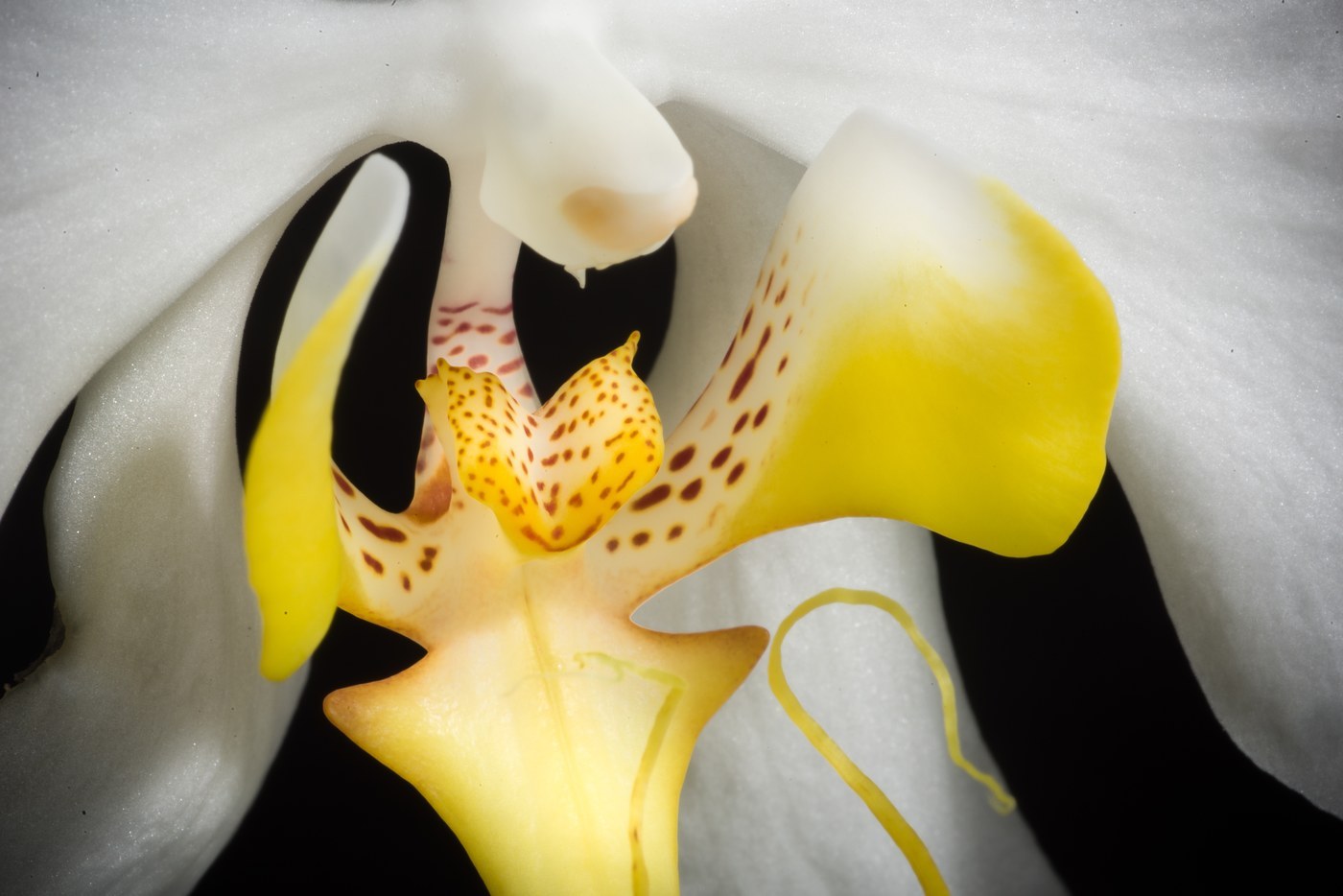
The moth orchid is the most popular orchid for beginners, prized for arching sprays of broad, flat flowers that can last for months in shades of white, pink, and more.
- Light
- Bright indirect light
- Water
- Weekly; let roots dry between
- Difficulty
- Easy
Got a plant like this?
Identify any plant from a photo, free.
Overview
Phalaenopsis orchids, commonly called moth orchids, are the easiest and most widely grown orchids in the world. Their broad, flat blooms resemble moths in flight and are carried on gracefully arching stems above a low rosette of thick leaves.
Flowers last for months and come in white, pink, purple, yellow, and spotted or striped patterns. Because they tolerate ordinary home temperatures and indirect light, they are an ideal first orchid.
Like most cultivated orchids they are epiphytes, growing on tree bark rather than in soil, which is why they are potted in chunky bark or moss.
How to identify it
Identify the moth orchid by:
- Leaves: a few thick, broad, leathery leaves in a low, flat rosette
- Flower spike: long, arching stem bearing several flat, rounded blooms
- Flowers: broad-petaled, moth-like, long-lasting, in white, pink, purple, yellow, or patterned forms
- Roots: thick, silvery-green aerial roots, often spilling over the pot rim
- Growth: epiphytic, grown in bark or sphagnum rather than soil
Care & growing
- Light: bright, indirect light; an east window is ideal, avoid hot direct sun
- Water: water about weekly, letting the bark and roots dry out between; never let it sit in standing water
- Humidity: moderate to high (50%+)
- Potting medium: coarse orchid bark or sphagnum moss, never regular soil
- Temperature: 65-80 degrees F; a slight nighttime drop helps trigger reblooming
- Feeding: dilute orchid fertilizer regularly during active growth
- Reblooming: after flowers drop, cut the spike above a lower node to encourage a new branch
Habitat & origin
Moth orchids are native to the tropics of Southeast Asia, the Philippines, Indonesia, New Guinea, and northern Australia, where they grow as epiphytes on tree trunks in warm, humid, shaded rainforests.
Phalaenopsis amabilis is the national flower of Indonesia. Today the genus is mass-produced and sold worldwide as the most popular flowering orchid for homes.
Frequently asked questions
How do I get my moth orchid to rebloom?
After the flowers drop, cut the spent spike just above a node lower on the stem. Provide bright indirect light and slightly cooler nights, and a new flowering branch often emerges.
Why are the roots growing out of the pot?
Those silvery aerial roots are normal and healthy for an epiphytic orchid. They absorb moisture and humidity from the air, so leave them be.
How often should I water a moth orchid?
About once a week, watering thoroughly and letting the bark and roots dry between waterings. Healthy roots are silvery-green when dry and turn bright green when watered.
Moth Orchid guides
In-depth guides for identifying, growing, and caring for Moth Orchid.
How to Care for Moth Orchid
Keep Phalaenopsis amabilis blooming for months with bright indirect light, weekly watering that lets roots dry, and airy orchid bark.
Moth Orchid Identification Guide
Identify the Moth Orchid (Phalaenopsis) by its broad fleshy leaves, thick aerial roots, and arching sprays of flat, moth-like flowers.