How to Care for Mugwort
Grow Artemisia vulgaris, a vigorous silvery-green perennial that thrives in full sun, poor soil and dry conditions with almost no fuss.
Read the full Mugwort encyclopedia entry →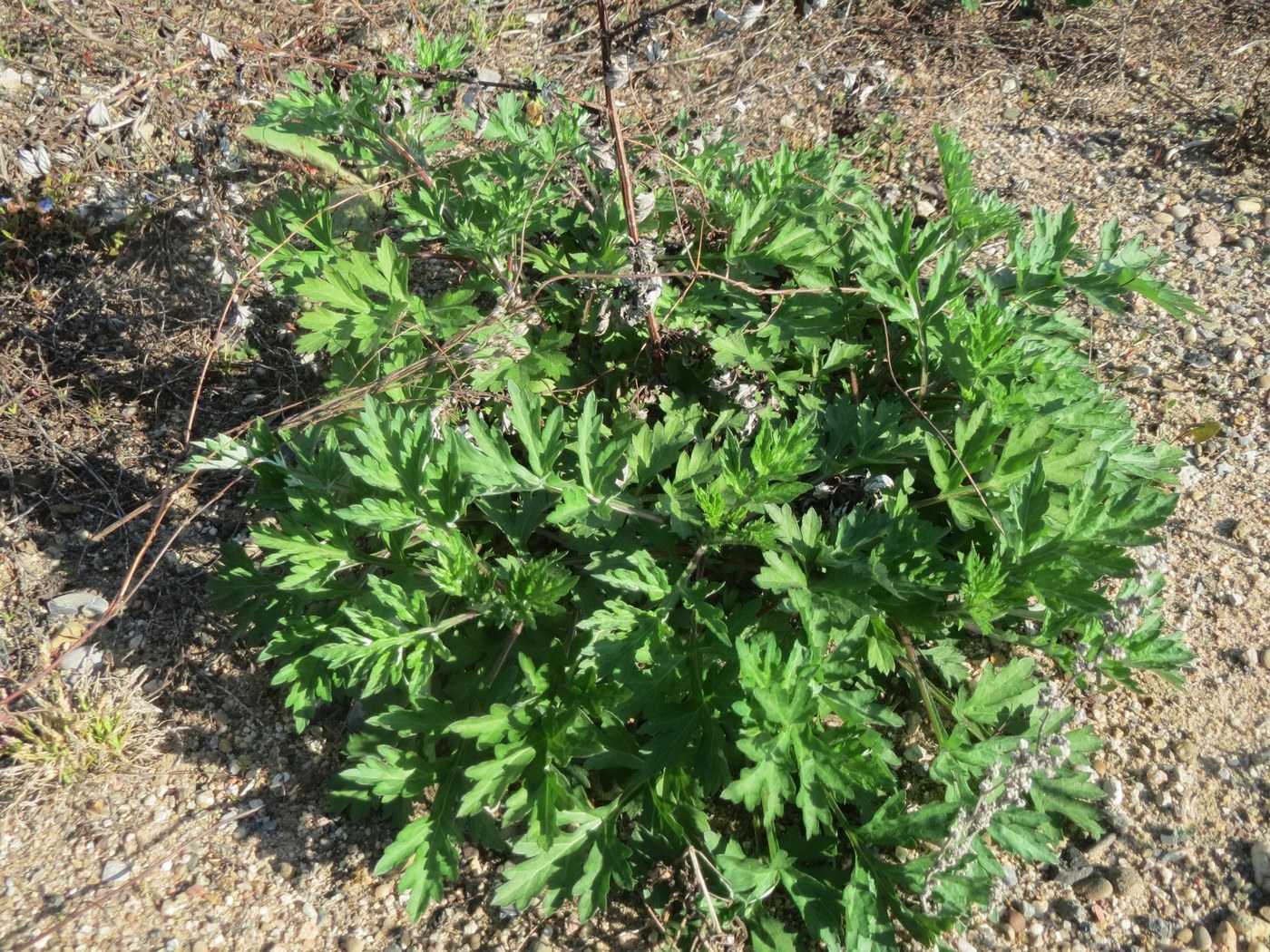
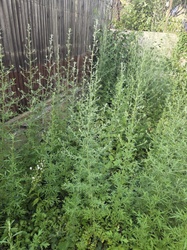
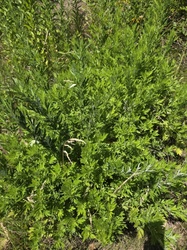
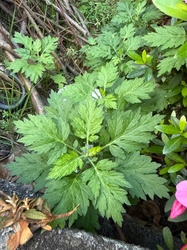
Mugwort (Artemisia vulgaris) is a tough, spreading herbaceous perennial prized for its aromatic, deeply cut foliage and upright, reddish stems. It is one of the easiest plants to establish in a garden, tolerating heat, drought and lean soils that defeat fussier plants.
Light
Give mugwort full sun for the sturdiest, most compact growth. It will grow in partial shade but tends to stretch, flop and produce sparser foliage. A spot receiving at least six hours of direct sun daily brings out the best silvery undersides on the leaves.
Water
Mugwort is markedly drought-tolerant once established. Water new plantings occasionally through their first season to help roots settle, then let it fend for itself. Established clumps rarely need supplemental water except in prolonged drought. Overwatering causes weak, floppy growth, so err on the dry side.
Soil & Potting
This plant is famously unfussy about soil, thriving in poor, dry, sandy or gravelly ground and tolerating a wide pH range. Sharp drainage is the only real requirement; it dislikes heavy, waterlogged clay. If grown in a container, use a gritty, free-draining mix and a pot with generous drainage holes.
Humidity & Temperature
Mugwort is exceptionally cold-hardy and shrugs off frost, dying back to the ground in winter and returning in spring. It handles heat and low humidity with ease. No special humidity provision is needed indoors or out.
Feeding
Feeding is rarely necessary and often counterproductive; rich soil and fertilizer produce lax, sprawling growth. Skip fertilizer in most gardens. In very poor soil, a single light application of a balanced feed in early spring is more than enough.
Propagation
Mugwort spreads readily by creeping rhizomes and self-sows from seed. The simplest method is division: lift a clump in spring or autumn, split the rooted rhizomes with a spade, and replant. Rhizome cuttings root easily. Because it spreads aggressively, many growers propagate simply by digging up the runners it produces.
Repotting / Pruning
Cut the whole plant back hard in late autumn or late winter to tidy the clump and encourage fresh spring growth. Shear it back by half in midsummer if it grows leggy. To control its spread, dig out wandering rhizomes each season or grow it inside a buried root barrier or container.
Common Problems & Pests
Mugwort is remarkably trouble-free. Its aromatic foliage deters most insect pests, and disease is uncommon. The main issue is its own vigor: it can become invasive, crowding out neighbors via rhizomes and seed. In humid, crowded conditions it may show occasional powdery mildew or rust, remedied by thinning stems for airflow. Root rot appears only in soggy soil.
Seasonal Care Tips
In spring, remove winter debris and thin crowded shoots. Through summer, monitor and pull back spreading runners before they escape their bounds; deadhead or cut flower stalks before seed sets to limit self-sowing. In autumn, cut the plant to the ground and divide overgrown clumps. Winter care is minimal in cold climates, where it goes fully dormant.
Frequently asked questions
Why is my mugwort flopping over?
Floppy, lax growth usually means too much shade, too much water, or overly rich soil. Move it to full sun, cut back on watering, skip fertilizer, and shear it back by half to encourage sturdier regrowth.
How do I stop mugwort from taking over the garden?
Mugwort spreads by creeping rhizomes and seed. Grow it in a container or buried root barrier, dig out wandering runners each season, and cut off flower stalks before they set seed.
Does mugwort need winter protection?
No. It is very cold-hardy, dies back to the ground in winter, and returns reliably from the roots in spring. Simply cut the dead top growth to ground level.
Can I grow mugwort in a pot?
Yes, and containing it is a good way to curb its spread. Use a gritty, free-draining mix in a pot with ample drainage holes, place it in full sun, and water sparingly.
Mugwort identified by the community
Recent Mugwort specimens identified with Plant Identifier.