Mugwort
Artemisia vulgaris
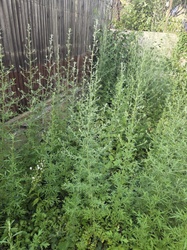
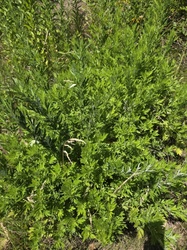
A tall, aromatic perennial with silvery-backed, deeply cut leaves, long associated with folklore. It is hardy, vigorous, and often weedy along roadsides.
- Light
- Full sun
- Water
- Low; drought-tolerant
- Difficulty
- Easy
Got a plant like this?
Identify any plant from a photo, free.
Overview
Mugwort is a robust perennial in the wormwood family, known across Europe and Asia for centuries of folklore and ritual association. Its name links to an old use in flavoring beer before hops became common.
The plant is aromatic and has long been steeped in folklore as a protective herb. It spreads readily by tough creeping rhizomes and can become an invasive weed in disturbed ground.
How to identify it
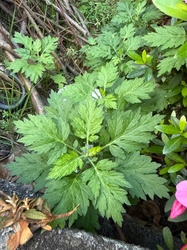
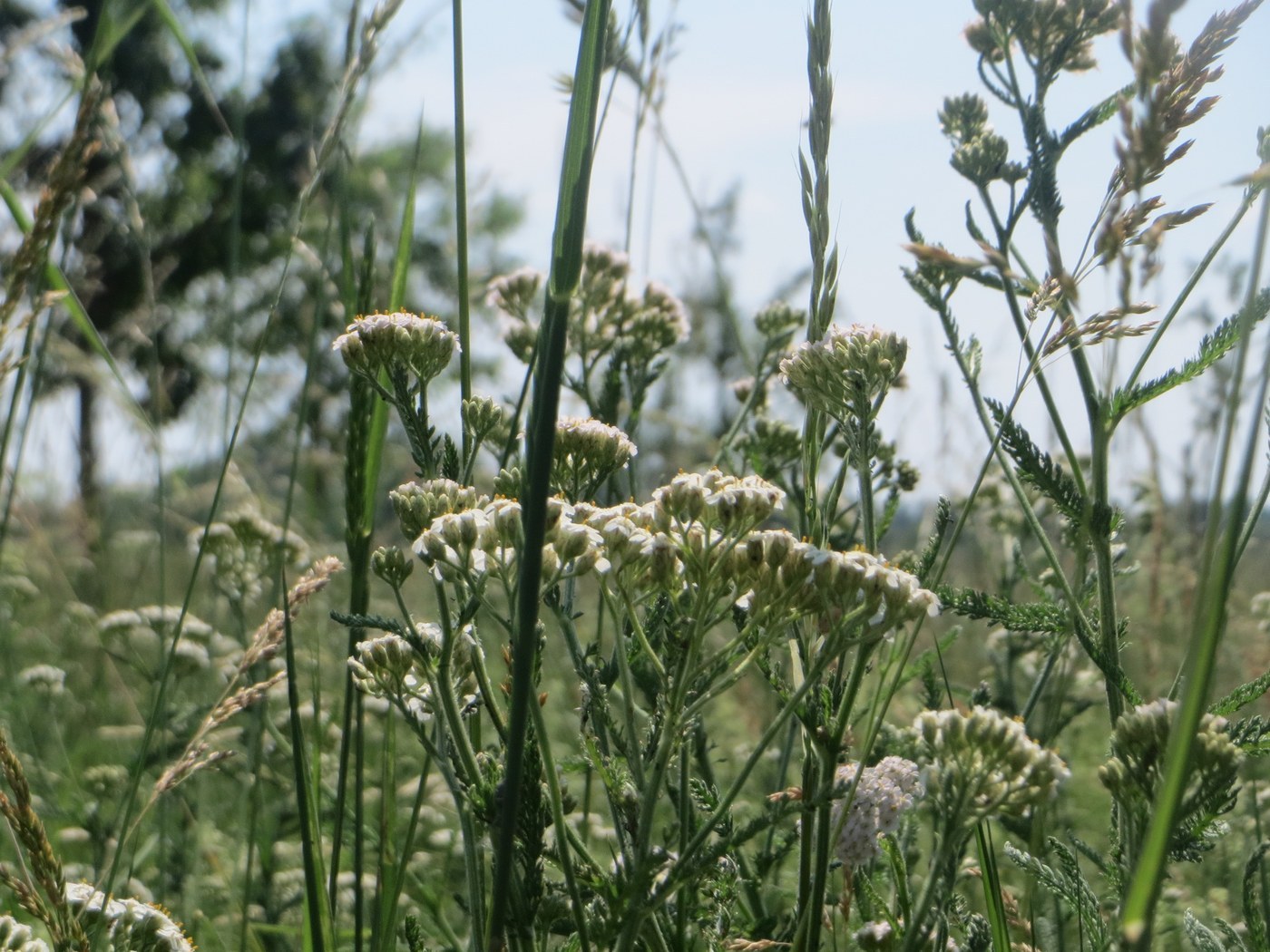
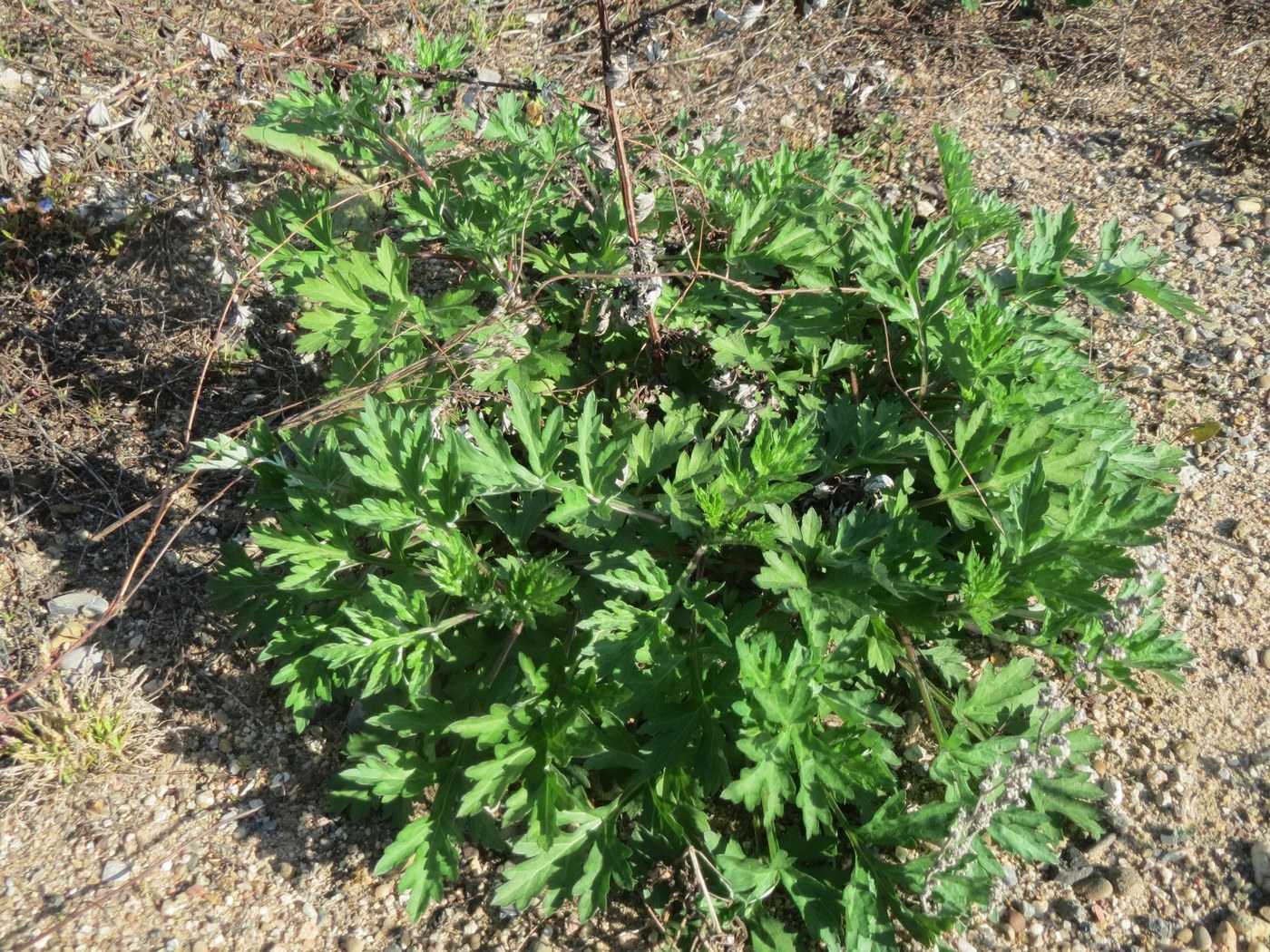
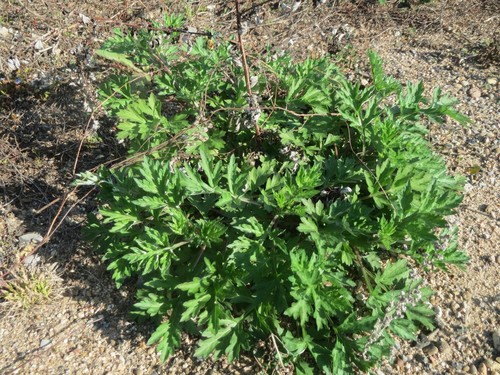
- Deeply lobed, pinnate leaves, dark green above and strikingly silvery-white and woolly underneath
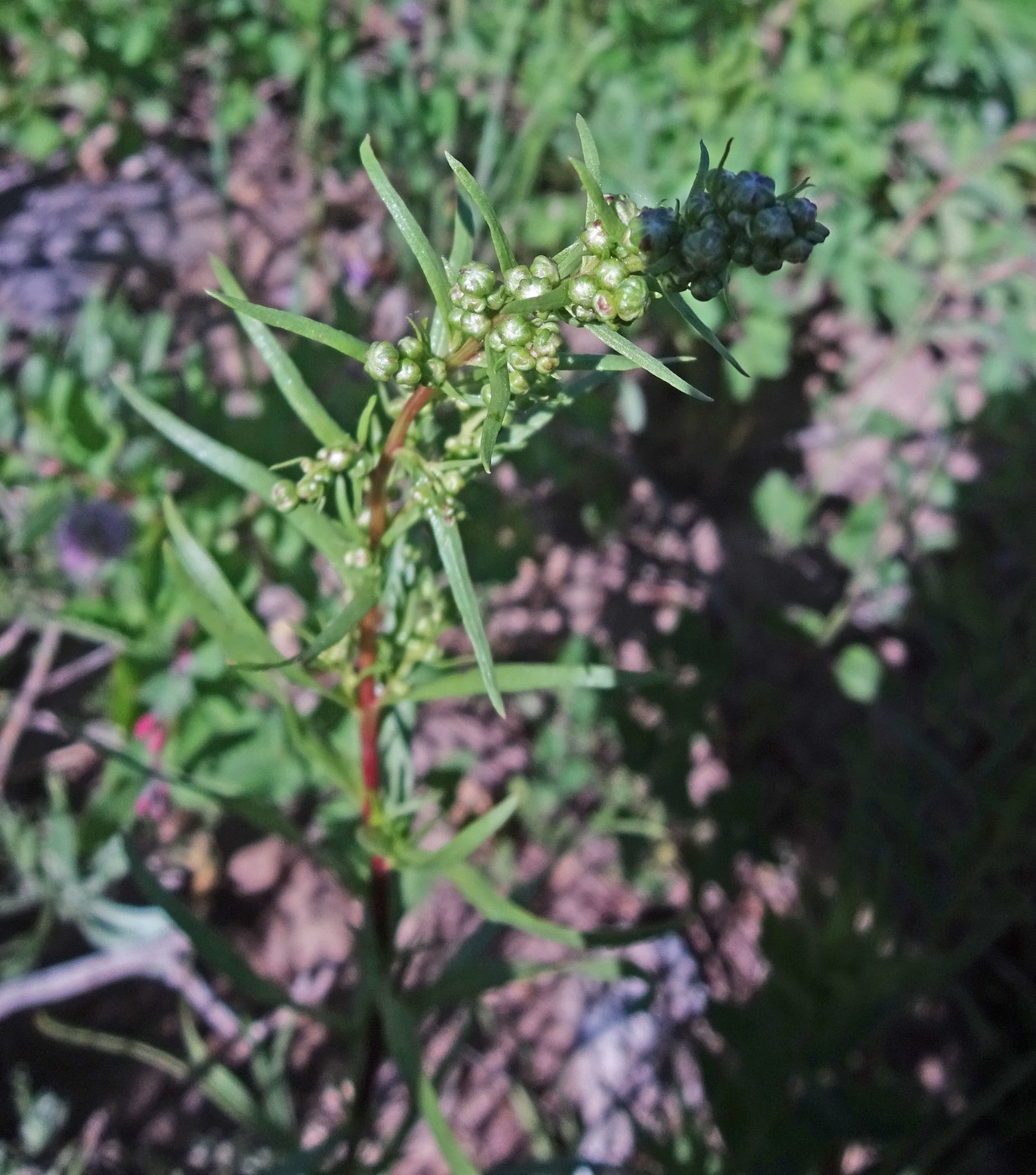
- Reddish-purple, grooved stems reaching 1-2 m (3-6 ft) tall
- Small, inconspicuous yellowish to reddish flower heads in dense summer spikes
- Faintly sage-like aromatic scent when crushed
- Spreads by tough creeping rhizomes
Care & growing
Mugwort is exceptionally tough and nearly carefree.
- Light: Full sun
- Water: Low; very drought-tolerant once established
- Soil: Tolerates poor, dry, disturbed soils; prefers good drainage
- Temperature: Very cold-hardy perennial
- Feeding: None needed; thrives on neglect
- Propagation: Division or seed; can spread aggressively, so consider containing it in a pot or bed
Habitat & origin
Native to temperate Europe, Asia, and North Africa, mugwort has naturalized widely across North America and other temperate regions.
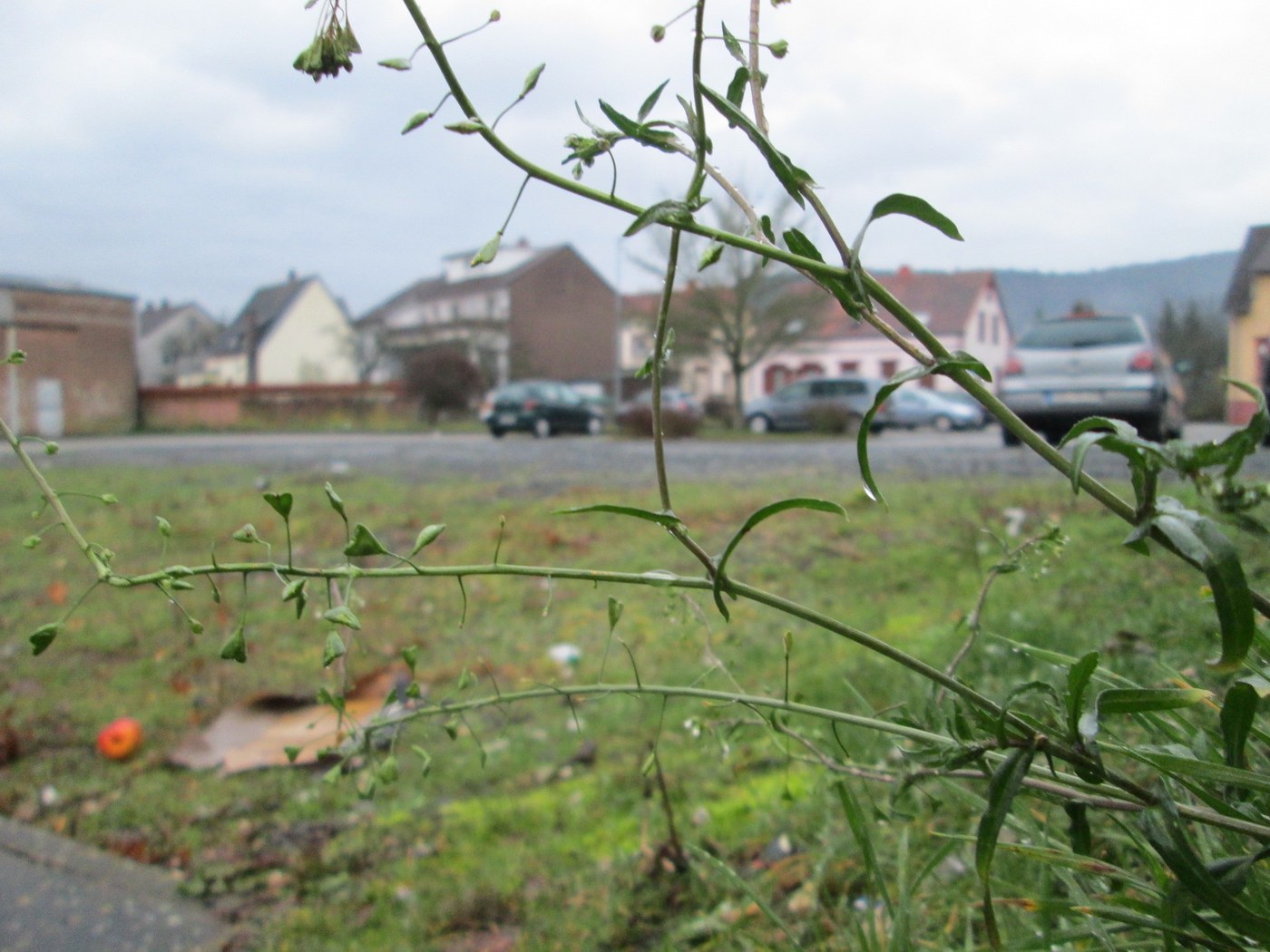
It colonizes roadsides, waste ground, hedgerows, and riverbanks, thriving in disturbed, sunny, nutrient-rich soils where it often forms large stands.
Frequently asked questions
Is mugwort the same as wormwood?
They are close relatives in the genus Artemisia, but wormwood (A. absinthium) is a different species. Both have aromatic, deeply divided silvery foliage.
How tall does mugwort grow?
Its grooved, reddish-purple stems commonly reach 1-2 m (3-6 ft) tall, topped by dense summer spikes of small flower heads.
How can I identify mugwort?
Look for deeply lobed leaves that are dark green above and silvery-white and woolly underneath, on tall reddish stems with a faintly sage-like scent when crushed.
Where does mugwort grow?
It is native to temperate Europe, Asia, and North Africa and has naturalized widely, colonizing roadsides, waste ground, hedgerows, and riverbanks in sunny, disturbed soils.
Mugwort guides
In-depth guides for identifying, growing, and caring for Mugwort.
How to Care for Mugwort
Grow Artemisia vulgaris, a vigorous silvery-green perennial that thrives in full sun, poor soil and dry conditions with almost no fuss.
Mugwort Identification Guide
How to identify mugwort (Artemisia vulgaris) by its deeply lobed dark-green leaves with silvery-white undersides, ribbed reddish stems, and aromatic foliage.
Mugwort identified by the community
Real specimens identified with Plant Identifier.