How to Care for Mullein
Mullein is a dramatic, drought-tolerant biennial with soft silvery leaves and towering yellow flower spikes for sunny sites.
Read the full Mullein encyclopedia entry →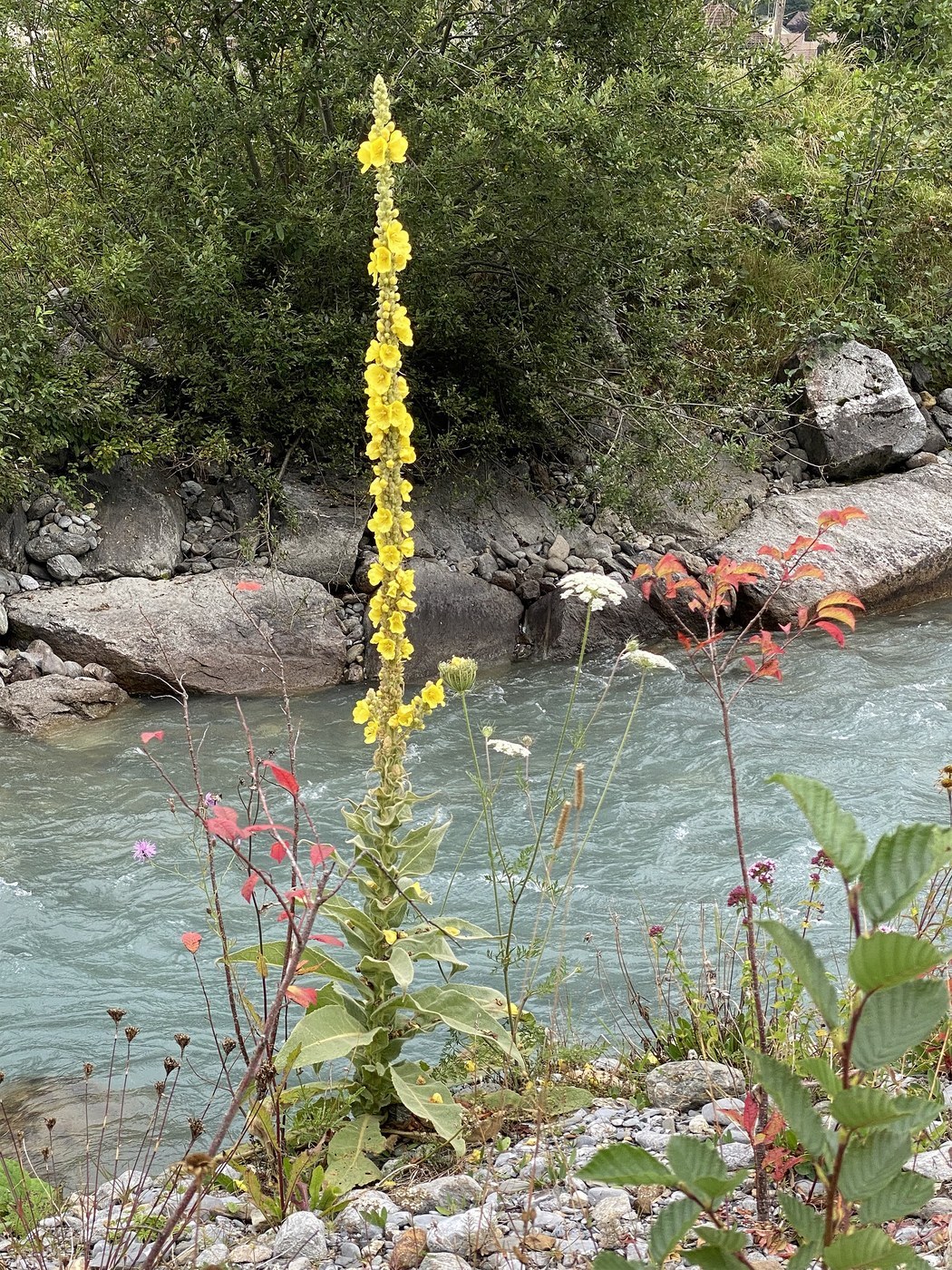
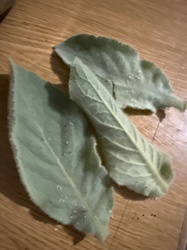
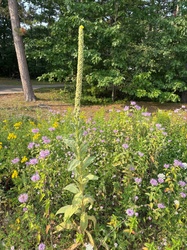
Mullein (Verbascum thapsus) is a bold biennial famed for its rosette of large, soft, felted silvery-green leaves in its first year and a towering spike of clear yellow flowers in its second. Undemanding and thoroughly drought-tolerant, it is a natural choice for hot, dry, sunny spots and gravel or cottage gardens.
Light
Mullein demands full sun, thriving in the hottest, brightest positions in the garden. At least 6 to 8 hours of direct sun keeps the rosette compact and encourages a strong, upright flower spike. In too much shade the plant grows floppy and flowers poorly.
Water
Once established, mullein is highly drought-tolerant and needs little to no supplemental water. Keep watering low; the plant far prefers dry conditions to wet feet. Water young seedlings occasionally until their deep taproot develops, then let nature take over. Overwatering and soggy soil are its greatest enemies.
Soil & Potting
Mullein excels in poor, lean, well-drained soil and even thrives in dry, rocky, or sandy ground where little else will grow. It tolerates a wide pH range. Sharp drainage is essential; heavy, wet clay leads to crown rot. Rich soil produces lush leaves but weaker, more disease-prone plants, so avoid over-amending.
Humidity & Temperature
This is a plant of open, sunny, airy sites and dislikes high humidity, which encourages leaf spot on its fuzzy foliage. It is cold-hardy and the first-year rosette overwinters readily, sending up its flower stalk the following season.
Feeding
Mullein needs no feeding and actively prefers unimproved soil. Skip fertilizer entirely; feeding produces soft, leggy growth and reduces the plant's characteristic sturdiness.
Propagation
Mullein is grown from its tiny seeds, which are best surface-sown as they need light to germinate. Sow in place in spring or early summer, or let established plants self-seed, which they do freely. Press seed onto the soil surface and keep lightly moist until germination, then thin seedlings to give each room.
Repotting / Pruning
Being biennial with a long taproot, mullein resents transplanting once established and is best left where sown. Little pruning is needed. To prevent prolific self-seeding, cut off the flower spike as blooms fade. The whole plant naturally dies after setting seed in its second year and can then be removed.
Common Problems & Pests
Mullein is remarkably trouble-free. In damp, humid conditions its felted leaves may develop powdery mildew or leaf spot; ensure full sun and good airflow. Caterpillars, including the mullein moth, can chew the foliage but rarely cause lasting harm. Root and crown rot occur only in wet, poorly drained soil, so drainage is the key to healthy plants.
Seasonal Care Tips
Sow seed in spring or early summer to establish the first-year rosette, which overwinters. Expect the dramatic flower spike the following summer. Deadhead promptly if you want to limit self-seeding, or leave a spike to stand for winter structure and to let it self-sow. After flowering, remove the spent biennial to tidy the bed.
Frequently asked questions
Why isn't my mullein flowering?
Mullein is a biennial: it forms only a leafy rosette in its first year and sends up its tall flower spike in the second. If a first-year plant has not flowered, simply wait for its second season.
How much water does mullein need?
Very little. Once established it is strongly drought-tolerant and thrives on neglect. Water young seedlings occasionally until rooted, then stop. Soggy soil is far more dangerous to mullein than dryness.
What kind of soil is best for mullein?
Poor, lean, sharply drained soil, including dry rocky or sandy ground, suits it best. Avoid rich, heavy, or wet soil, which causes weak growth and crown rot. Do not fertilize.
Will mullein spread in my garden?
Yes, it self-seeds freely, producing many tiny seeds per plant. To limit spread, cut off the flower spike as the blooms fade before seed sets; to encourage new plants, leave a spike standing.
Mullein identified by the community
Recent Mullein specimens identified with Plant Identifier.