Mullein
Verbascum thapsus
Mullein is a striking biennial that forms a rosette of soft, woolly leaves the first year and a towering yellow flower spike the second. It is a classic wildflower herb of dry, open ground.
- Light
- Full sun
- Water
- Low; drought-tolerant
- Difficulty
- Easy
Got a plant like this?
Identify any plant from a photo, free.
Overview
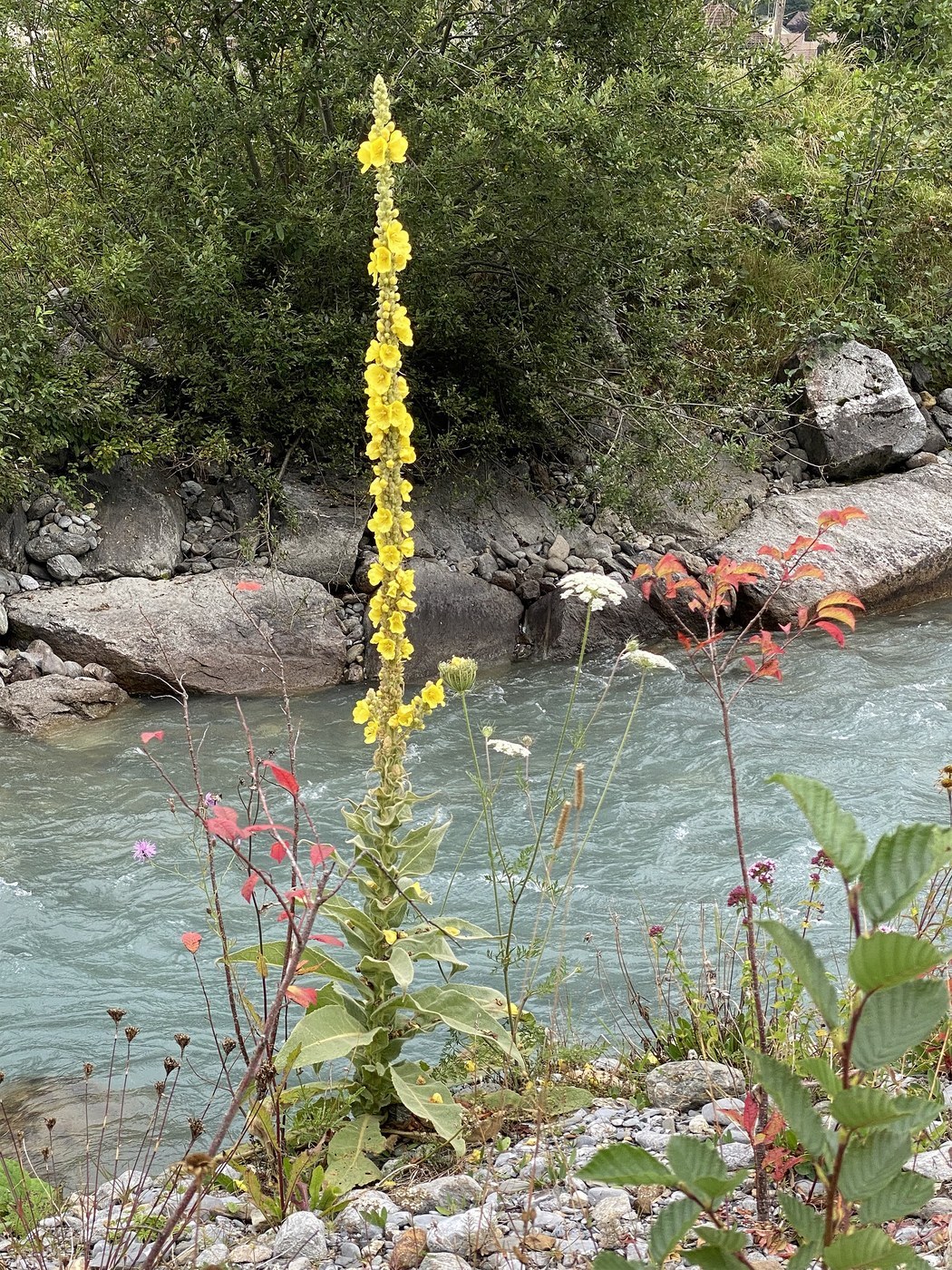
Common mullein (Verbascum thapsus) is a biennial herb famous for its statuesque flowering stalks and its plush, felt-like foliage. In its first year it grows a large basal rosette; in its second it sends up a tall, dense spike of yellow flowers.
A pioneer of disturbed soils, mullein readily naturalizes and is sometimes considered weedy in pastures.
How to identify it
- Leaves: Large, oblong, soft and densely woolly with a felted gray-green surface
- Rosette: A broad ground-hugging rosette in the first year
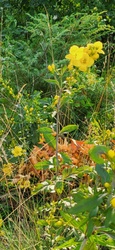
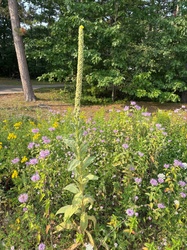
- Flower spike: A single tall, stout spike (3-7 ft) packed with five-petaled yellow flowers in the second year
- Habit: Biennial; dies after flowering and setting abundant seed
- Texture: Whole plant has a soft, suede-like feel from dense hairs
Care & growing
Light: Full sun.
Water: Drought-tolerant; needs little once established.
Soil: Poor, dry, gravelly or sandy, well-drained soils.
Temperature: Hardy across a wide range; a tough pioneer species.
Feeding: None required; thrives in lean soil.
Propagation: Grows easily from seed sown on the soil surface; self-sows freely. Remove spent spikes to limit spread if desired.
Habitat & origin
Native to Europe, North Africa, and Asia, mullein grows on roadsides, pastures, gravelly slopes, and disturbed open ground.
It has naturalized throughout North America and other temperate regions, where it is one of the first plants to colonize bare or burned soils.
Frequently asked questions
Why are mullein leaves so soft?
They are covered in dense branching hairs that give the foliage a velvety, felt-like texture and help reduce water loss.
Is mullein a perennial?
No, it is a biennial. It forms a leaf rosette the first year, flowers and sets seed the second year, then dies.
Does mullein spread aggressively?
A single plant can produce hundreds of thousands of seeds, so it self-sows readily and can be weedy. Deadhead spikes to control it.
Mullein guides
In-depth guides for identifying, growing, and caring for Mullein.
How to Care for Mullein
Mullein is a dramatic, drought-tolerant biennial with soft silvery leaves and towering yellow flower spikes for sunny sites.
Mullein Identification Guide
Spot common mullein (Verbascum thapsus) by its large velvety rosette of woolly leaves and tall, club-like yellow flower spike.
Mullein identified by the community
Real specimens identified with Plant Identifier.