
How to Care for Musk Thistle
Musk Thistle is a sun-loving, drought-tolerant biennial with nodding rose-purple blooms; grow it in lean soil and full sun where permitted.
Read the full Musk Thistle encyclopedia entry →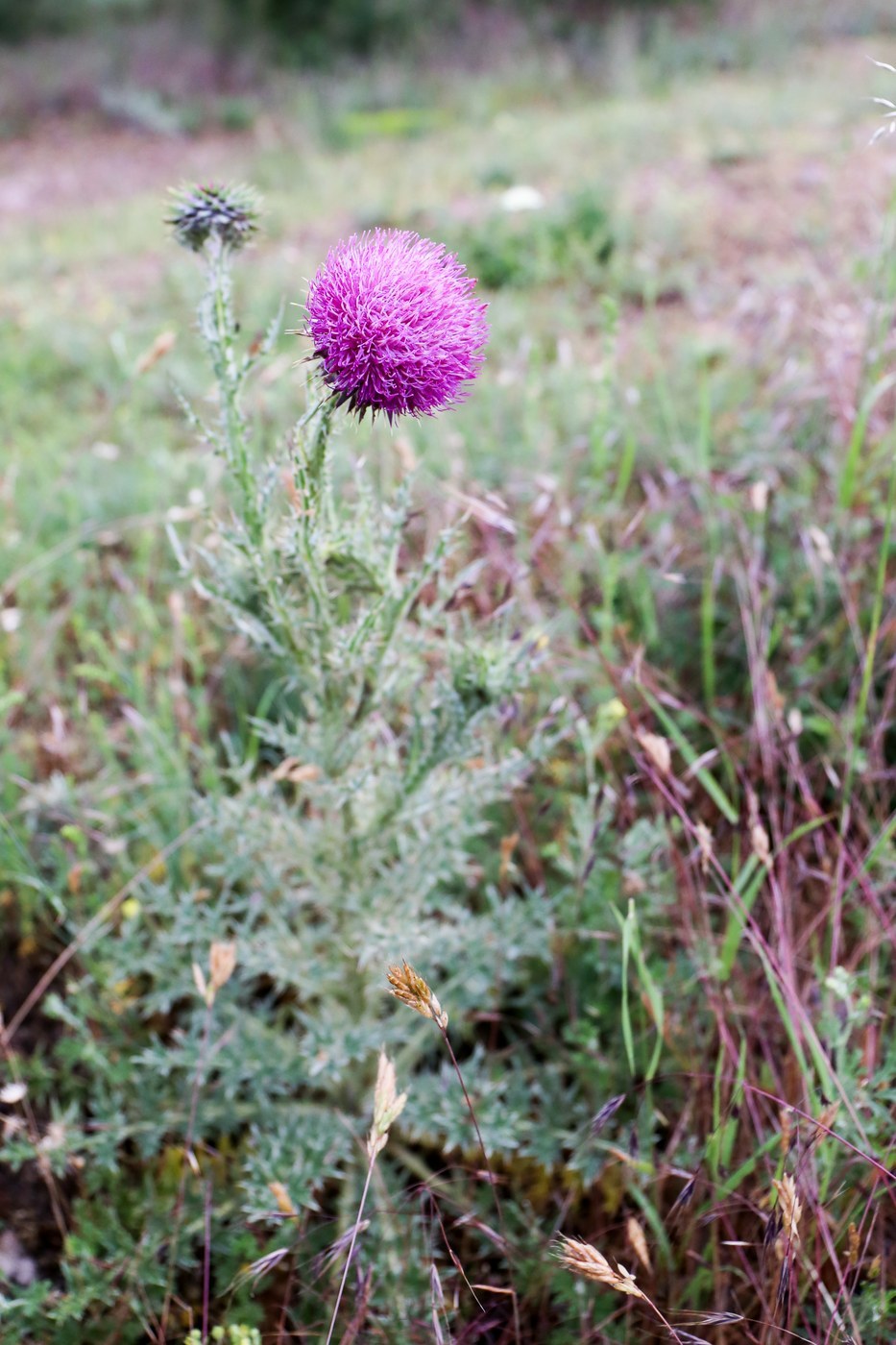
Musk Thistle (Carduus nutans), also called nodding thistle, is a biennial known for its large, nodding rose-purple flower heads set against spiny gray-green foliage. It is undemanding, thriving on neglect in full sun and poor soil. Note that it is an aggressive spreader considered a noxious weed in many regions, so check local regulations before planting and always deadhead to prevent unwanted self-seeding.
Light
Musk Thistle demands full sun. Give it at least six to eight hours of direct sunlight daily for sturdy rosettes and abundant flowering. It is a plant of open fields, roadsides, and pastures and performs poorly in shade, becoming leggy and shy to bloom.
Water
Water needs are low; this is a genuinely drought-tolerant plant. In its first-year rosette stage, occasional watering helps establishment, but once rooted it thrives on natural rainfall. Avoid overwatering, which it dislikes and which can lead to root problems. In prolonged drought a deep soak now and then keeps it vigorous, but it is otherwise self-sufficient.
Soil & Potting
Undemanding about soil, Musk Thistle actually prefers lean, well-drained ground and readily colonizes disturbed, gravelly, or poor soils. It tolerates a wide pH range and does not need rich, amended earth; overly fertile soil simply produces lush foliage. Good drainage is the main requirement. If grown in a container, use an ordinary free-draining potting mix.
Humidity & Temperature
A hardy temperate-climate plant, it withstands a broad range of temperatures and tolerates cold winters as an overwintering rosette. Ambient humidity is not a concern. It grows across many climate zones and needs no special protection, sailing through heat and frost alike.
Feeding
Feeding is essentially unnecessary and generally discouraged. In lean soils it flowers perfectly well without fertilizer, and extra nutrients only encourage rampant leafy growth at the expense of a tidy habit. Skip feeding entirely for a naturalistic, well-behaved plant.
Propagation
Musk Thistle is grown from seed and reproduces prolifically that way, one plant capable of producing thousands of wind-carried seeds. Sow seed in spring or fall onto bare, sunny ground; germination is easy. Because of its vigorous self-sowing, deadhead spent blooms promptly to keep it in check and prevent it from escaping into surrounding areas.
Repotting / Pruning
As a biennial it forms a leafy rosette the first year and bolts to flower and die in the second, so long-term repotting is rarely relevant. The single most important task is deadheading: cut off flower heads as they fade, before they set the fluffy seed. This both prolongs neat appearance and, crucially, curbs uncontrolled spread. Wear gloves, as the foliage is very spiny.
Common Problems & Pests
Musk Thistle is remarkably trouble-free and rarely bothered by serious pests or diseases. Aphids may cluster on stems and buds; hose them off or tolerate them. In damp, crowded conditions powdery mildew or rust can appear on foliage, so ensure good airflow. The larger management challenge is not keeping it alive but keeping it contained, since it self-seeds aggressively.
Seasonal Care Tips
In the first spring, plants establish as ground-hugging rosettes; little care is needed. The following spring and early summer they bolt and bloom, which is the critical deadheading window to prevent seeding. After flowering the plant naturally dies back. Allow, if desired, one plant to set a little seed only if you want it to persist and only where it is legal and welcome to do so.
Frequently asked questions
Is Musk Thistle hard to grow?
Not at all. It is one of the easiest plants to grow, thriving in full sun and poor, well-drained soil with minimal water and no feeding. The real challenge is controlling its aggressive self-seeding, not keeping it alive.
Why should I deadhead Musk Thistle?
Deadheading removes fading flower heads before they release thousands of wind-borne seeds. This keeps the plant tidy and, most importantly, prevents it from spreading uncontrollably into surrounding areas where it can become a nuisance.
How much water does Musk Thistle need?
Very little. It is strongly drought-tolerant once established and thrives on natural rainfall. Water occasionally during establishment or prolonged drought, but avoid overwatering, which it dislikes.
Should I plant Musk Thistle in my garden?
Check your local regulations first. Musk Thistle is classified as a noxious or invasive weed in many regions. If you do grow it where permitted, always deadhead diligently to prevent it from escaping and spreading.