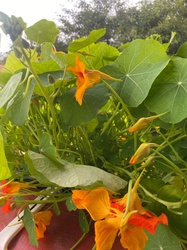
How to Care for Nasturtium
Grow easy, cheerful nasturtiums: fast-sprouting climbers and trailers with round leaves and vivid jewel-toned blooms that thrive on neglect.
Read the full Nasturtium encyclopedia entry →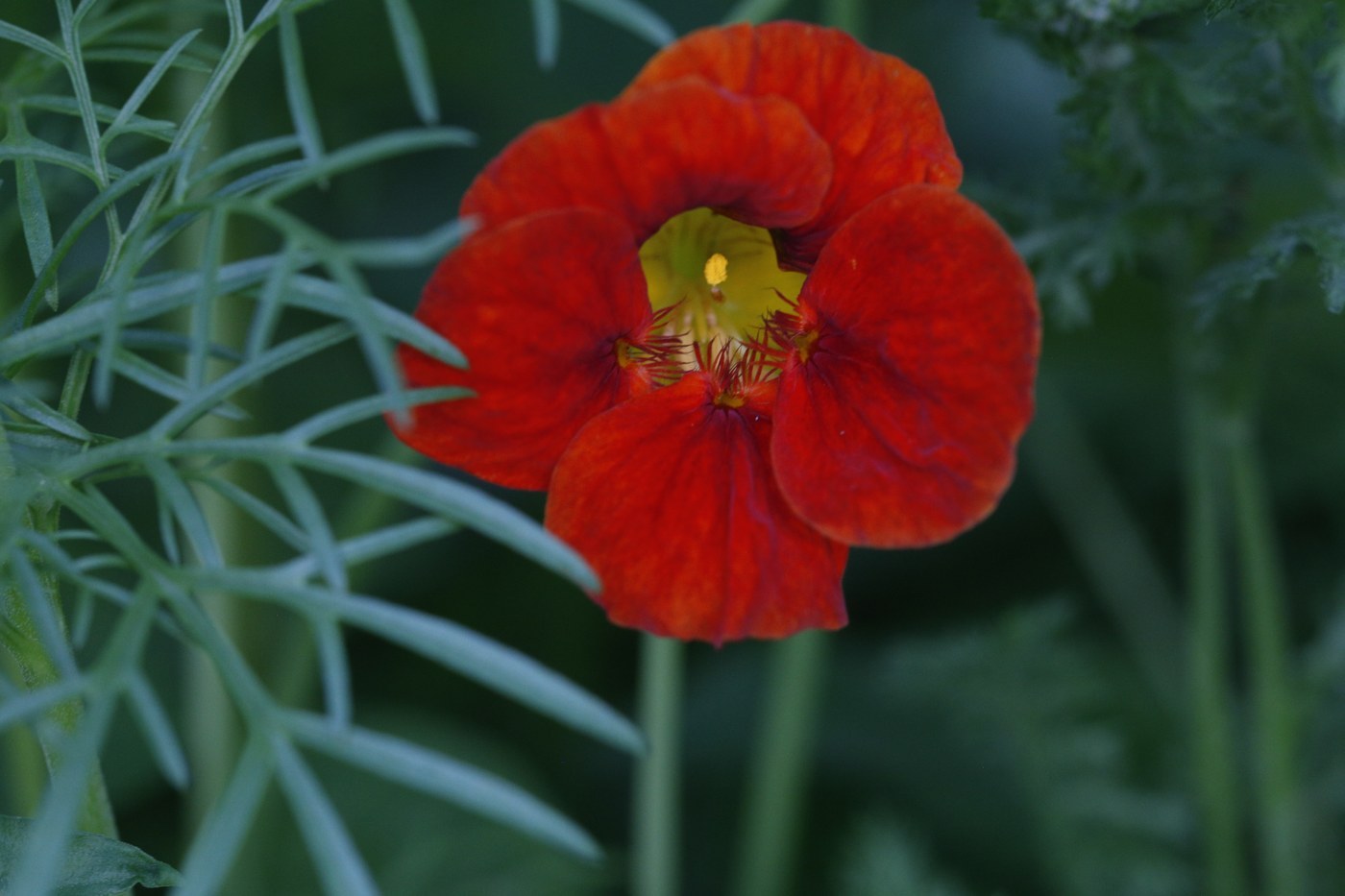
Nasturtium (Tropaeolum majus) is a fast-growing, easygoing annual loved for its round, lily-pad leaves and vivid spurred flowers in shades of orange, red, yellow, and cream. Available in trailing, climbing, and compact mounding forms, it is one of the simplest plants to grow from seed and flowers abundantly with very little effort.
Light
Nasturtium grows in full sun to part shade. Full sun gives the most abundant flowers, while some afternoon shade helps in very hot climates. In too much shade the plant makes lush leaves but far fewer blooms, so favor a bright, sunny position for the best show.
Water
Water moderately, letting the top of the soil dry between waterings. Nasturtiums are fairly drought-tolerant once growing and prefer not to sit wet. Regular but unfussy watering keeps them blooming; avoid constant soggy soil, which encourages soft, disease-prone growth.
Soil & Potting
One of the quirks of nasturtiums is that they flower best in poor, lean soil. Rich, fertile ground produces masses of foliage and few flowers. Give them average, well-drained soil and they will thrive. They grow beautifully in containers and hanging baskets with a free-draining mix, where trailing types spill attractively over the edges.
Humidity & Temperature
This is a warm-season annual that enjoys mild to warm temperatures and is frost-sensitive. It grows fastest in comfortable conditions and may pause blooming during extreme summer heat, often reviving as temperatures cool. Normal outdoor humidity is fine; good airflow keeps foliage healthy.
Feeding
Feed little to nothing. Because nasturtiums bloom best in lean soil, added fertilizer, especially nitrogen, produces leafy growth at the expense of flowers. Skip feeding in the ground; container plants may need only a very occasional weak dose since potting mixes are lean.
Propagation
Nasturtiums are grown from their large, easy-to-handle seeds. Sow them directly where they are to grow after the danger of frost has passed, since they dislike root disturbance from transplanting. Germination is quick and reliable. They often self-seed, returning on their own the following year.
Repotting / Pruning
Pinch back leggy or overgrown stems to encourage bushier growth and more branching. Removing spent flowers and any yellowing leaves keeps plants tidy and blooming. Because they are annuals started fresh from seed, repotting is rarely an issue; simply resow each season. Trim trailing types to keep them within bounds.
Common Problems & Pests
Aphids are the classic nasturtium pest, often clustering on stems and leaf undersides; rinse them off or treat as needed. Cabbage-white caterpillars can chew the leaves. Overly rich soil or shade causes the all-leaves-no-flowers problem. Wet, crowded conditions may bring fungal leaf spots or wilt, reduced by better drainage and spacing.
Seasonal Care Tips
Sow seed directly in spring once frost has passed, in a sunny spot with lean soil. Through summer, water moderately, skip the fertilizer, and pinch and deadhead to keep the flowers coming; expect the strongest bloom in the milder parts of the season. The plants are killed by frost in autumn, but self-sown seedlings frequently appear the next spring.
Frequently asked questions
Why does my nasturtium have lots of leaves but no flowers?
This means the soil is too rich or the spot is too shady. Nasturtiums flower best in lean soil and full sun, so stop fertilizing and move them somewhere brighter.
Should I fertilize nasturtiums?
Generally no. Extra fertilizer, especially nitrogen, produces leafy growth and few flowers. They bloom best in poor soil, so skip feeding in the ground.
How do I plant nasturtium seeds?
Sow the large seeds directly where they will grow after frost has passed. They dislike transplanting, so avoid starting them indoors and disturbing the roots.
What are the tiny insects covering my nasturtium stems?
Those are almost certainly aphids, a common nasturtium pest. Rinse them off with water or treat the plant, and keep growth healthy with good airflow and moderate watering.
Nasturtium identified by the community
Recent Nasturtium specimens identified with Plant Identifier.