
How to Care for Nectarine Tree
Grow a healthy nectarine tree with full sun, deep watering, annual pruning, and diligent care through the seasons.
Read the full Nectarine Tree encyclopedia entry →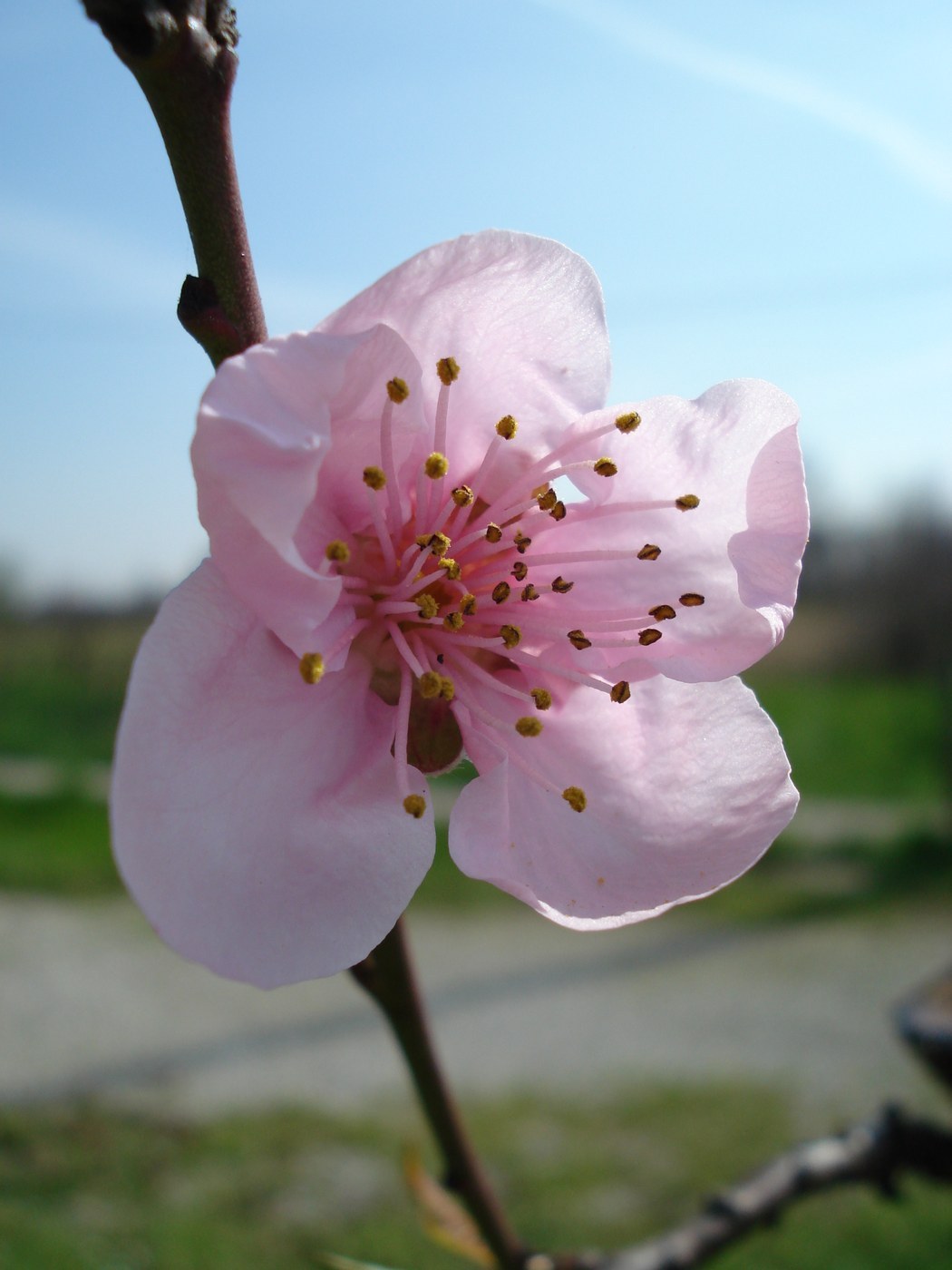
The nectarine (Prunus persica var. nucipersica) is a smooth-skinned genetic variant of the peach, grown as a small deciduous ornamental and fruiting tree. It is a moderately demanding tree that rewards full sun, deep watering, and consistent seasonal attention with a beautiful spring bloom and productive canopy.
Light
Nectarine trees demand full sun, at least 6-8 hours of direct light daily and ideally more. Ample sun drives strong flowering, good fruit set, and healthy wood. Plant in the most open, sunniest position you have, away from the shade of buildings or larger trees.
Water
Provide regular deep watering, especially during the fruiting period when developing fruit needs steady moisture. Water deeply to encourage a strong root system rather than shallow, frequent sprinkling. Reduce watering somewhat after the fruiting season, and ensure the soil never stays waterlogged, which invites root diseases. Mulch around the base to conserve moisture while keeping the mulch away from the trunk.
Soil & Potting
Nectarines need deep, fertile, well-draining soil with a slightly acidic to neutral pH around 6.0-7.0. They dislike heavy, poorly drained clay, which promotes root rot. Improve heavy soils with organic matter and consider planting on a slight mound for drainage. Dwarf varieties can be grown in large containers of at least 40-50 cm depth with a quality free-draining mix.
Humidity & Temperature
Nectarines are temperate trees that need a period of winter chill (a set number of cold hours) to break dormancy and flower properly; choose a variety matched to your climate's chill hours. They prefer moderate summer humidity, as very humid conditions worsen fungal diseases. Late spring frosts can damage blossoms, so avoid frost-pocket sites.
Feeding
Feed in early spring as growth begins with a balanced fertilizer, and again in late spring to support fruit development. A nitrogen source encourages healthy shoot growth, but avoid over-feeding late in the season, which produces soft growth vulnerable to winter damage. A yearly mulch of compost also supplies steady nutrition.
Propagation
Named nectarine varieties are propagated by grafting or budding onto a compatible rootstock, which controls tree size and disease resistance. Growing from seed is possible but seedlings do not come true to the parent and take years to mature. For a reliable tree, buy a grafted nursery specimen or graft a known variety yourself.
Repotting / Pruning
Annual pruning is essential. Nectarines fruit on one-year-old wood, so prune in late winter to encourage new fruiting shoots and to open the canopy for light and air. Aim for an open-center (vase) shape, removing crowded, crossing, and dead branches. Thinning developing fruit when young improves size and prevents branches from breaking under load. Container trees should be root-pruned and refreshed with new soil every couple of years.
Common Problems & Pests
Peach leaf curl is the signature problem, causing distorted, reddened, puckered leaves; it is controlled with dormant-season copper sprays before buds swell. Brown rot can affect blossoms and fruit in wet weather, and aphids, scale, and borers may attack the tree. Good airflow through proper pruning, clean-up of fallen debris, and preventive dormant sprays go a long way. Ensure excellent drainage to avoid root and crown rots.
Seasonal Care Tips
Apply dormant sprays in late winter before bud break to head off leaf curl. Prune in late winter, feed as growth begins, and thin developing fruit in late spring. Water deeply and consistently through summer. In autumn, clean up all fallen leaves and fruit to reduce overwintering disease, and apply a fresh mulch. Protect blossoms from late frosts with covers if a cold snap threatens.
Frequently asked questions
Why are my nectarine leaves puckered and red?
This is peach leaf curl, a fungal disease. Control it with copper-based dormant sprays applied in late winter before the buds swell, and clean up affected leaves.
When should I prune a nectarine tree?
Prune in late winter while dormant. Nectarines fruit on one-year-old wood, so pruning encourages fresh fruiting shoots and opens the canopy to light and air.
Do I need to thin the fruit?
Yes. Thinning young developing fruit so they are spaced apart improves the size of what remains and prevents branches from breaking under a heavy load.
Can I grow a nectarine tree in a pot?
Choose a dwarf variety and a large container at least 40-50 cm deep with free-draining mix. Water and feed regularly and refresh the soil every couple of years.