
How to Care for Nerve Plant
Grow the vividly veined Fittonia albivenis with steady moisture, high humidity, warmth, and bright indirect light for its dramatic foliage.
Read the full Nerve Plant encyclopedia entry →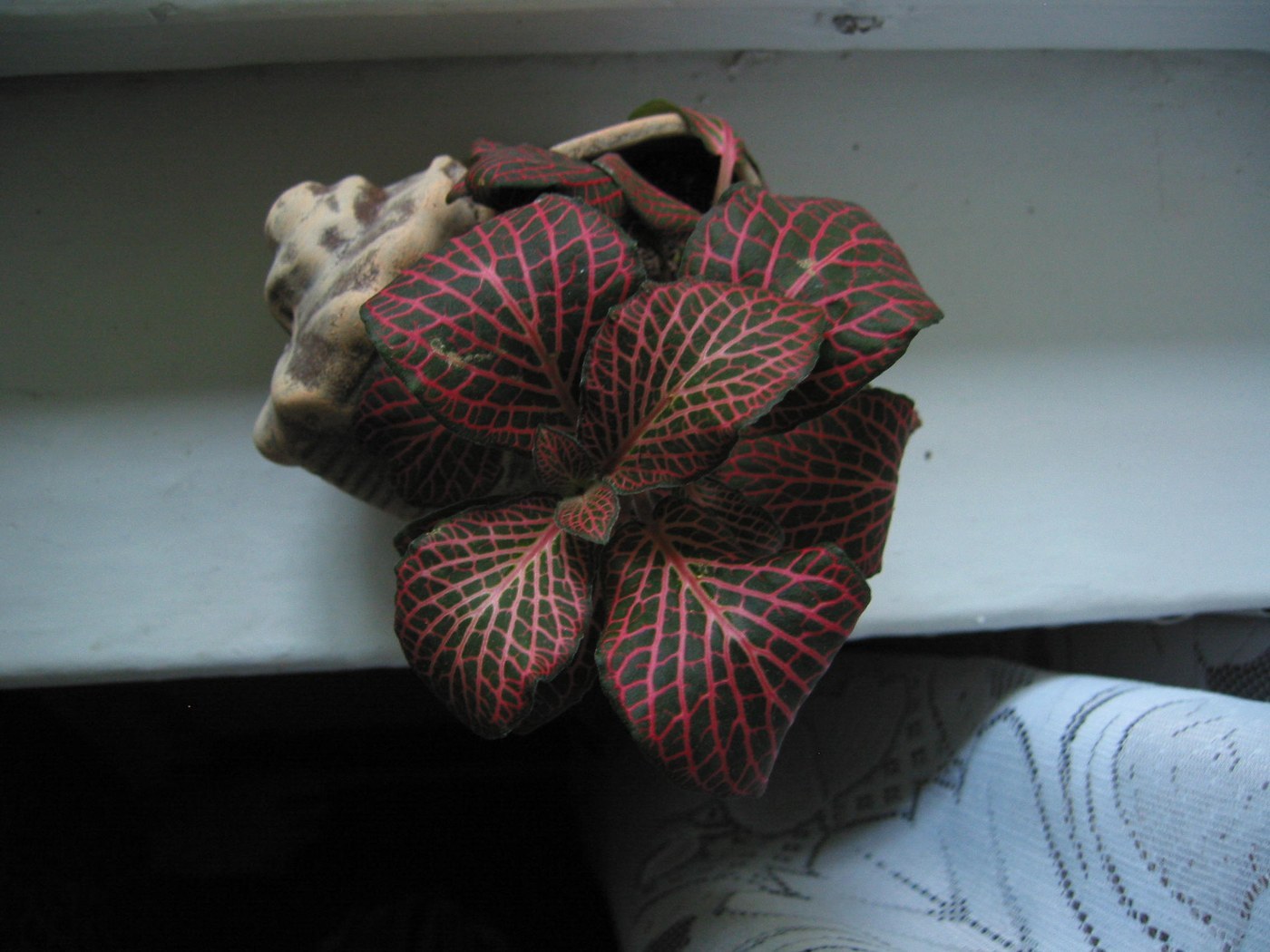
The nerve plant (Fittonia albivenis) is a low, spreading tropical grown for its striking leaves netted with white, pink, or red veins. It is a rewarding but somewhat fussy plant whose famous dramatic wilting when thirsty makes it a demanding but communicative companion for attentive growers.
Light
Nerve plant prefers medium to bright indirect light. It naturally grows on the shaded rainforest floor, so it tolerates lower light better than many houseplants but shows its best coloring in bright, filtered light. Keep it out of direct sun, which quickly scorches and bleaches the delicate leaves. An east-facing window or a position set back from a brighter window works well, and it also adapts nicely to fluorescent or grow lights in terrariums.
Water
Keep the soil evenly moist at all times, never letting it dry out fully. Nerve plant is famously dramatic about drought, collapsing into a limp faint when thirsty and reviving within hours once watered, but repeated wilting stresses it. Water whenever the surface begins to feel slightly dry, using room-temperature water, and avoid leaving the roots in standing water, which causes rot. Consistent, gentle moisture is the single most important part of its care.
Soil & Potting
Use a light, moisture-retentive but well-draining mix rich in organic matter, such as a peat- or coir-based potting soil with a little perlite. This holds the steady dampness the plant needs while preventing waterlogging. A shallow pot with drainage holes suits its shallow, spreading root system. The mix should stay lightly moist without becoming compacted or soggy.
Humidity & Temperature
High humidity is essential; this is a true rainforest plant and dry indoor air causes shriveled, crisping leaves. Aim for humidity above 50%, ideally higher, which makes it a superb choice for terrariums, closed cases, and bottle gardens. Keep temperatures warm and stable, around 65-80 degrees F, and protect it from cold drafts and sudden temperature swings. Use a humidifier, pebble tray, or grouping to raise moisture around the leaves.
Feeding
Feed lightly during the growing season from spring through summer with a balanced, water-soluble houseplant fertilizer diluted to half strength, roughly every month. Nerve plant is a light feeder, and modest feeding keeps its foliage lush and well-colored. Cut back or stop feeding in autumn and winter when growth slows. Over-fertilizing can scorch the sensitive leaf margins, so err on the side of dilute, infrequent feeds.
Propagation
Nerve plant propagates readily from stem-tip cuttings. Take a cutting a few inches long with several leaves, cut just below a node, and root it in water or directly in moist potting mix. Warmth and high humidity, such as a covered propagation tray, speed rooting, which usually happens within a couple of weeks. Planting several rooted cuttings together produces a fuller, more attractive pot.
Repotting / Pruning
Repot every year or two in spring if the plant outgrows its pot, keeping to a shallow, snug container. Pinch back the growing tips regularly to prevent legginess and encourage dense, spreading growth, and remove any flower spikes that appear, since they are insignificant and divert energy from the foliage. Trim away tired or damaged leaves to keep the plant looking fresh and compact.
Common Problems & Pests
The classic problem is dramatic wilting from underwatering; a prompt drink usually revives it, but avoid making this a habit. Crispy, curling leaves and browning edges indicate low humidity or dry soil, while yellowing, mushy leaves signal overwatering. Faded coloring points to too little light, and scorched patches to too much direct sun. Watch for spider mites, fungus gnats, mealybugs, and aphids, treating them with insecticidal soap and improved conditions.
Seasonal Care Tips
In spring and summer the plant grows actively, so keep the soil consistently moist, feed lightly, and pinch tips to maintain a bushy shape; this is the ideal time to repot and take cuttings. In autumn, reduce feeding as growth slows but maintain even moisture. In winter, indoor heating dries the air, so raise humidity, keep the plant warm and away from cold drafts and radiators, and continue watering to keep the soil from drying out.
Frequently asked questions
Why does my nerve plant keep wilting and collapsing?
Nerve plant dramatically wilts when its soil dries out too much, then usually revives within hours of watering. Keep the soil evenly moist at all times and water as soon as the surface begins to feel slightly dry to avoid this repeated stress.
How do I keep a nerve plant's leaves from crisping?
Crispy, curling leaves are caused by low humidity or dry soil. Raise humidity above 50% with a humidifier, pebble tray, or terrarium, keep the plant warm and away from radiators and drafts, and maintain consistent soil moisture.
Is a nerve plant good for a terrarium?
Yes, it is one of the best terrarium plants. Its need for high humidity, warmth, and bright indirect light is met perfectly by a closed or open terrarium, where the enclosed environment keeps its foliage lush and vividly colored.
Why is my nerve plant losing its bright vein color?
Faded veining and duller leaves usually mean too little light. Move it to a brighter spot with bright indirect light, but keep it out of direct sun, which scorches and bleaches the delicate foliage.