Nerve Plant
Fittonia albivenis
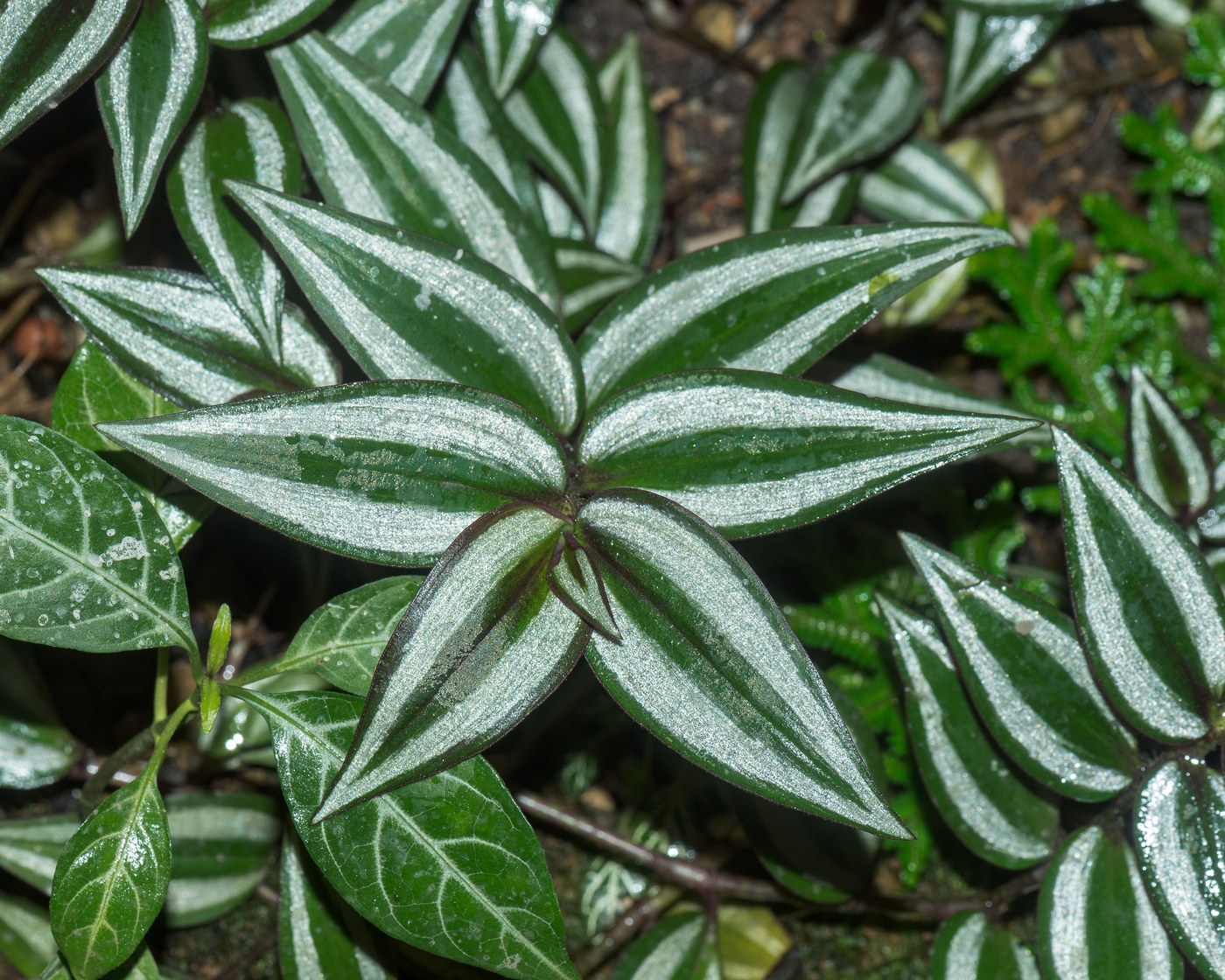
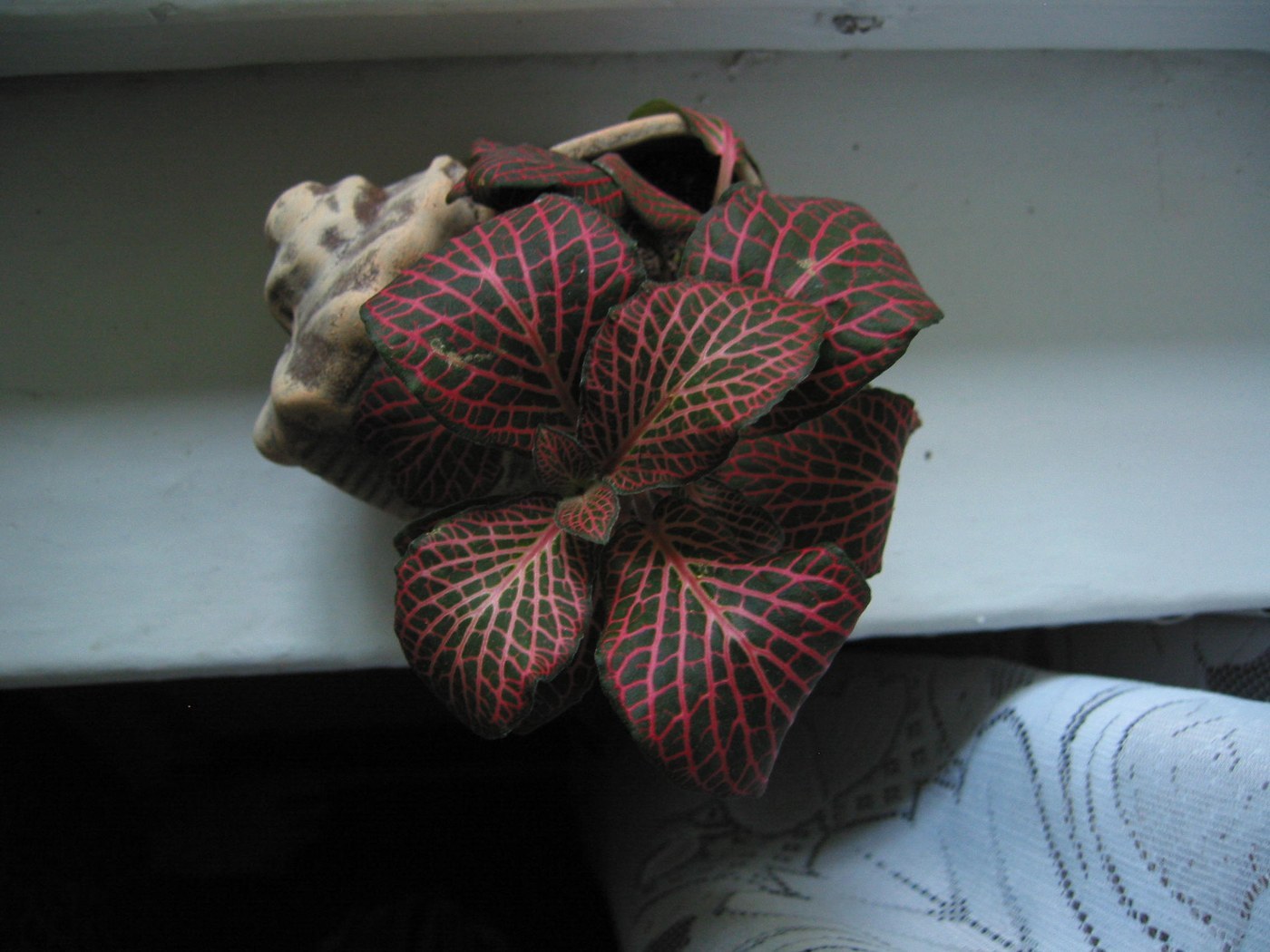
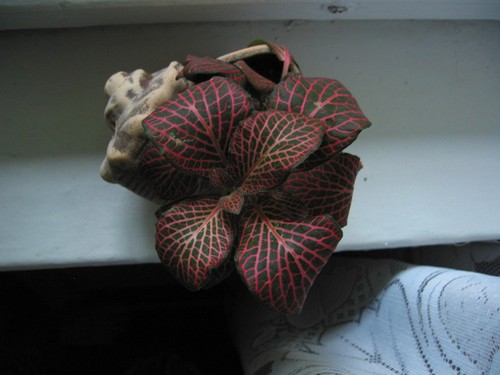
The nerve plant is a low, spreading tropical houseplant grown for its small leaves laced with bright white, pink, or red veins. It loves humidity and is a favorite for terrariums.
- Light
- Medium to bright indirect light
- Water
- Keep evenly moist at all times
- Difficulty
- Moderate
Got a plant like this?
Identify any plant from a photo, free.
Overview
Fittonia albivenis is a creeping evergreen from the rainforests of South America, prized for its intricately veined foliage. The contrasting network of white, pink, or red veins on green leaves gives it the common names nerve plant and mosaic plant.
It stays low and bushy, making it ideal for terrariums, dish gardens, and humid windowsills. It is famous (and a little dramatic) for fainting, wilting suddenly when thirsty, then recovering quickly after watering.
Its high humidity needs are easily met in enclosed glass containers.
How to identify it
Recognize the nerve plant by:
- Leaves: small, oval, deep green with a dense network of colored veins
- Vein color: bright white, pink, or red depending on cultivar
- Habit: low, spreading, mat-forming growth
- Size: compact, usually only a few inches tall
- Flowers: insignificant small spikes, rarely seen indoors
- Behavior: dramatic wilting when soil dries, with quick recovery after watering
Care & growing
- Light: medium to bright indirect light; avoid direct sun
- Water: keep the soil consistently moist (never soggy); it wilts fast if it dries out
- Humidity: high humidity is essential; terrariums are ideal
- Soil: light, moisture-retentive but well-draining mix
- Temperature: warm, 65-80 degrees F; protect from drafts
- Feeding: light monthly feeding in spring and summer
- Propagation: easy from stem-tip cuttings rooted in moist soil or water
Habitat & origin
The nerve plant is native to the tropical rainforests of South America, especially Peru and the western Amazon basin, where it grows as ground cover on the warm, shaded, humid forest floor.
These understory conditions explain its love of constant moisture and humidity, and it is now grown worldwide as a terrarium and houseplant.
Frequently asked questions
Why does my nerve plant keep wilting?
It collapses dramatically when the soil dries out. Keep the soil consistently moist and it will usually perk back up within hours of watering.
Can a nerve plant live in a terrarium?
Yes, it is one of the best terrarium plants because the enclosed environment provides the constant high humidity and moisture it craves.
Why are the leaf edges turning brown and crispy?
Crispy edges signal air that is too dry or soil that dried out. Increase humidity and keep the soil evenly moist.
Nerve Plant guides
In-depth guides for identifying, growing, and caring for Nerve Plant.
How to Care for Nerve Plant
Grow the vividly veined Fittonia albivenis with steady moisture, high humidity, warmth, and bright indirect light for its dramatic foliage.
Nerve Plant Identification Guide
Identify the Nerve Plant (Fittonia) by its small oval leaves laced with a dense network of white or pink veins on a low, spreading mat.