
How to Care for Nettle
Grow Nettle (Urtica dioica) as a vigorous wildlife plant in moist, rich soil with sun or part shade and minimal effort.
Read the full Nettle encyclopedia entry →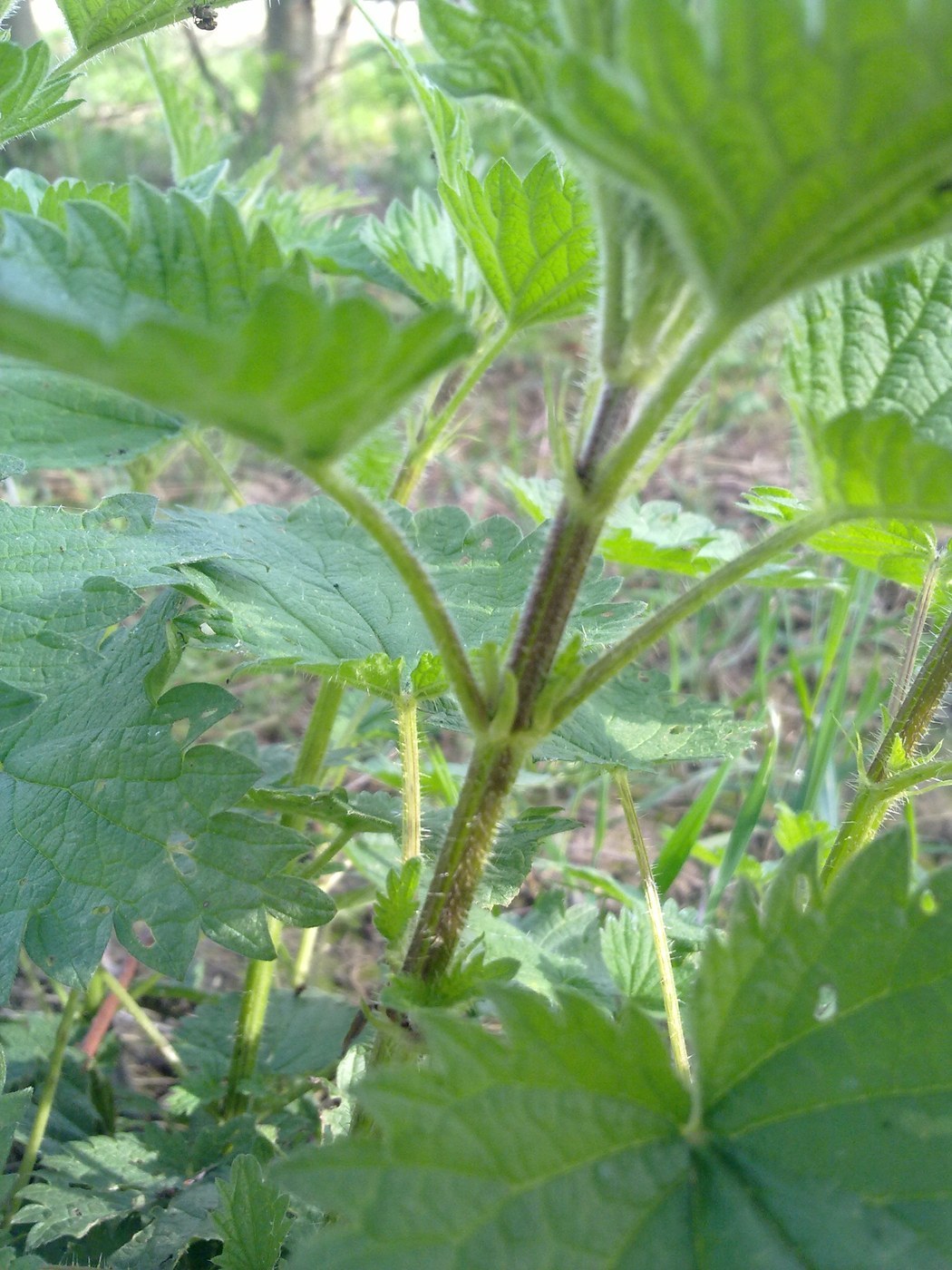
Nettle (Urtica dioica) is a vigorous, spreading herbaceous perennial often grown deliberately in wildlife and naturalistic gardens, where it supports butterflies and other insects. It is exceptionally easy to grow, so the real task is siting it where its spread is welcome. Wear sturdy gloves and long sleeves whenever you handle the plant.
Light
Nettle grows well in full sun to partial shade. It is highly adaptable, thriving at woodland edges, in hedgerows, and in open ground alike. More sun encourages denser, sturdier growth, while part shade suits it in hotter, drier gardens.
Water
Keep the soil consistently moist for the lushest growth. Nettle favors damp, fertile ground and can look tired or go dormant early in prolonged drought. Regular watering in dry spells keeps foliage fresh, though established stands are tough and bounce back once moisture returns.
Soil & Potting
Nettle loves rich, fertile, nitrogen-heavy soil high in organic matter, which is why it colonizes disturbed and manured ground. It tolerates most soils but is most vigorous in deep, moisture-retentive loam. To contain its running roots, grow it in a large buried pot or a dedicated bed with a root barrier.
Humidity & Temperature
A cool-temperate plant, nettle is fully cold-hardy and dies back to the ground in winter, resprouting from the roots in spring. It is indifferent to humidity and handles a wide temperature range, preferring the moderate conditions of spring and early summer.
Feeding
Nettle rarely needs feeding and actually indicates fertile soil where it grows well. In poor ground, a spring topdressing of compost or well-rotted manure boosts leafy growth. Overly rich feeding is seldom necessary since the plant is already a strong grower.
Propagation
Propagate easily by dividing the creeping rhizomes in spring or fall; each rooted section grows away quickly. Seed is also simple, sown on the surface of moist soil in spring, though division gives faster, more predictable results. Handle all material with gloves.
Repotting / Pruning
Cut the whole plant back to the ground in late fall or late winter to clear old stems before fresh spring growth. Cutting stands back in early summer produces a flush of tender new shoots and keeps plants compact. Divide congested clumps periodically, and remove flower heads before seed sets if you want to limit self-sowing.
Common Problems & Pests
Nettle is remarkably trouble-free and is itself a nursery for many insects, including aphids that in turn feed ladybirds. Its main drawback is invasiveness, spreading fast by rhizome and seed; contain the roots and deadhead to control it. Rust can appear on foliage in humid, crowded conditions, so thin stands for airflow.
Seasonal Care Tips
In spring, growth surges from the roots; keep the soil moist and thin if needed. Cut back in early summer for a fresh flush and to manage size. Deadhead through summer to curb seeding, and cut the whole plant to the ground in late fall. Always work with gloves and covered arms.
Frequently asked questions
How do I stop nettle from spreading everywhere?
It spreads fast by creeping rhizomes and seed. Grow it in a buried pot or bed with a root barrier, and deadhead flower heads before they set seed.
Does nettle need much watering?
It grows best in consistently moist, fertile soil and may go dormant early in drought. Water regularly in dry spells for lush foliage; established stands are resilient.
Should I wear protection when handling nettle?
Yes. Always wear sturdy gloves and long sleeves whenever planting, cutting back, or dividing it.
When should I cut nettle back?
Cut stands back in early summer for a flush of fresh growth, and cut the whole plant to the ground in late fall or late winter before spring regrowth.