Nettle
Urtica dioica
A vigorous perennial herb famous for the stinging hairs on its leaves and stems. It thrives in rich, damp soils across temperate regions.
- Light
- Full sun to partial shade
- Water
- Keep soil consistently moist
- Difficulty
- Easy
Got a plant like this?
Identify any plant from a photo, free.
Overview
Stinging nettle is a hardy perennial that spreads by creeping rhizomes, often forming dense colonies in fertile, disturbed ground.
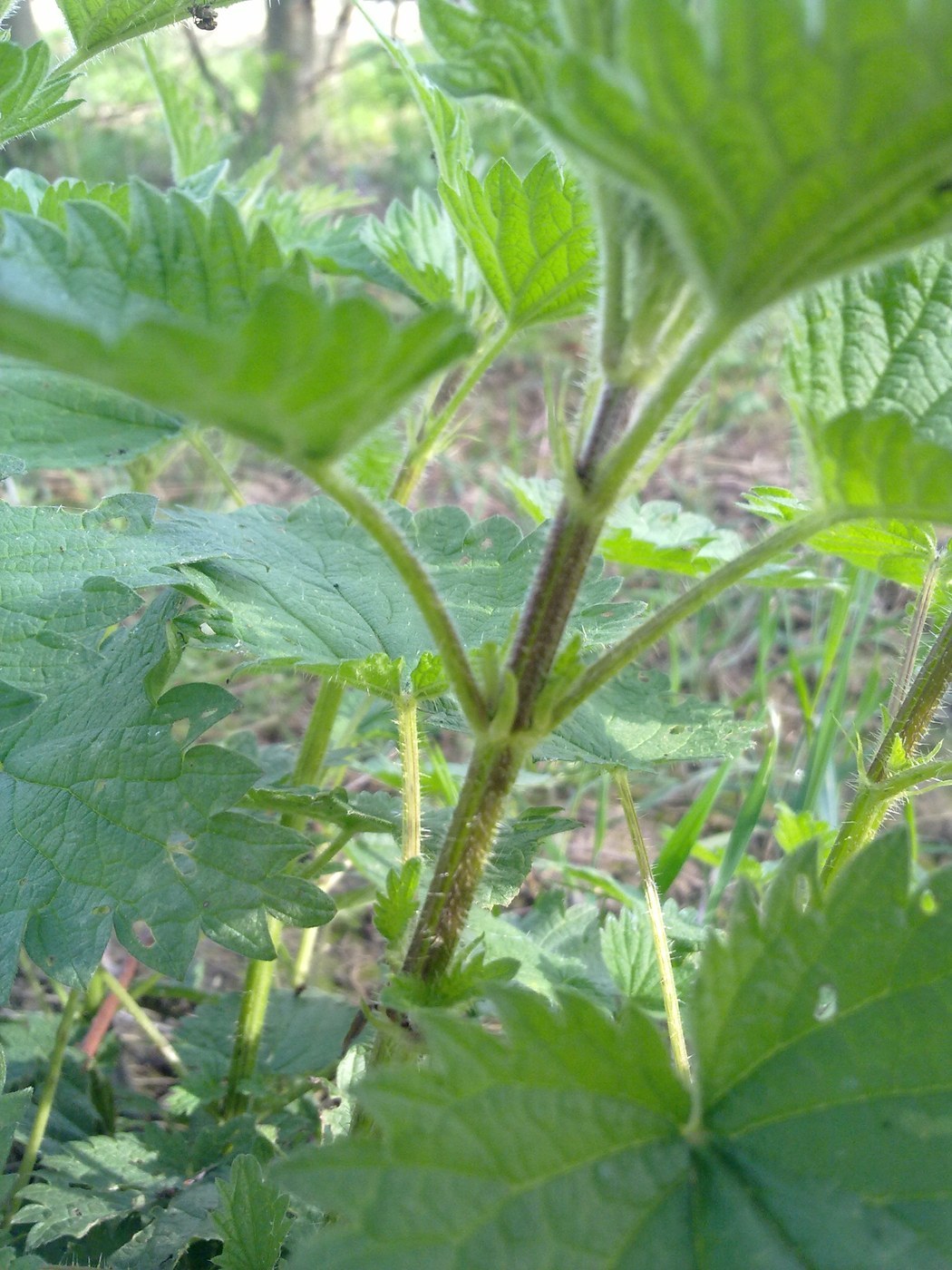
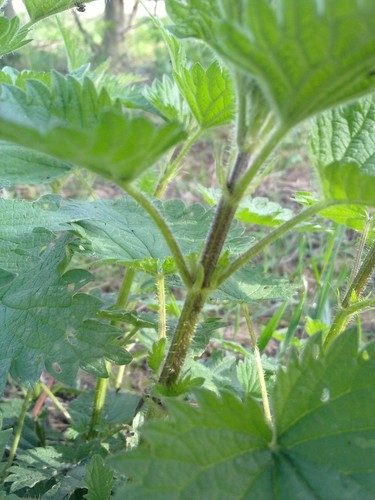
The sting comes from tiny hollow hairs (trichomes) on the leaves and square stems. These bristly trichomes are a key identifying feature, giving the foliage its characteristic rough surface.
How to identify it
- Heart-shaped to lance-shaped leaves with strongly toothed (serrated) margins, arranged in opposite pairs
- Leaves and square stems covered in fine stinging hairs
- Reaches 1-2 m (3-7 ft) tall
- Tiny greenish flowers hang in drooping clusters from leaf axils in summer
- Spreads via yellow creeping rhizomes, forming patches
Care & growing
Nettle is undemanding and even considered a weed in many regions.
- Light: Full sun to partial shade
- Water: Prefers consistently moist, even damp soil
- Soil: Rich, nitrogen-heavy soil; thrives near compost and manure
- Temperature: Cold-hardy perennial, dies back in winter and returns in spring
- Feeding: Rarely needed; responds to high-nitrogen ground
- Propagation: Division of rhizomes or seed; can become invasive, so contain it
Habitat & origin
Native across Europe, Asia, North Africa, and parts of North America, Urtica dioica has naturalized widely in temperate zones worldwide.
It favors moist, nutrient-rich soils in hedgerows, woodland edges, riverbanks, pastures, and disturbed waste ground, often signaling fertile, high-nitrogen soil.
Frequently asked questions
How do I recognize stinging nettle?
Look for opposite, sharply toothed, heart- to lance-shaped leaves on square stems, both covered in fine stinging hairs, with drooping clusters of tiny greenish flowers in summer.
Is nettle invasive?
It spreads aggressively by rhizomes and seed, so plant it in a contained spot or remove patches regularly to keep it in check.
Where does nettle grow?
It favors moist, nutrient-rich soils in hedgerows, woodland edges, riverbanks, pastures, and disturbed ground across temperate regions.
How do I keep nettle from spreading?
It creeps by yellow rhizomes, so install a root barrier or dig out and remove rhizome fragments regularly, as broken pieces can re-root.
Nettle guides
In-depth guides for identifying, growing, and caring for Nettle.
How to Care for Nettle
Grow Nettle (Urtica dioica) as a vigorous wildlife plant in moist, rich soil with sun or part shade and minimal effort.
Nettle Identification Guide
How to recognize stinging nettle (Urtica dioica) by its stinging hairs, opposite serrated leaves, and dangling green flower tassels, and how to separate it from harmless look-alikes.