
How to Care for Ninebark
Grow tough, colorful ninebark shrubs with our care guide on sun, watering, pruning, and the peeling bark that gives this hardy native its name.
Read the full Ninebark encyclopedia entry →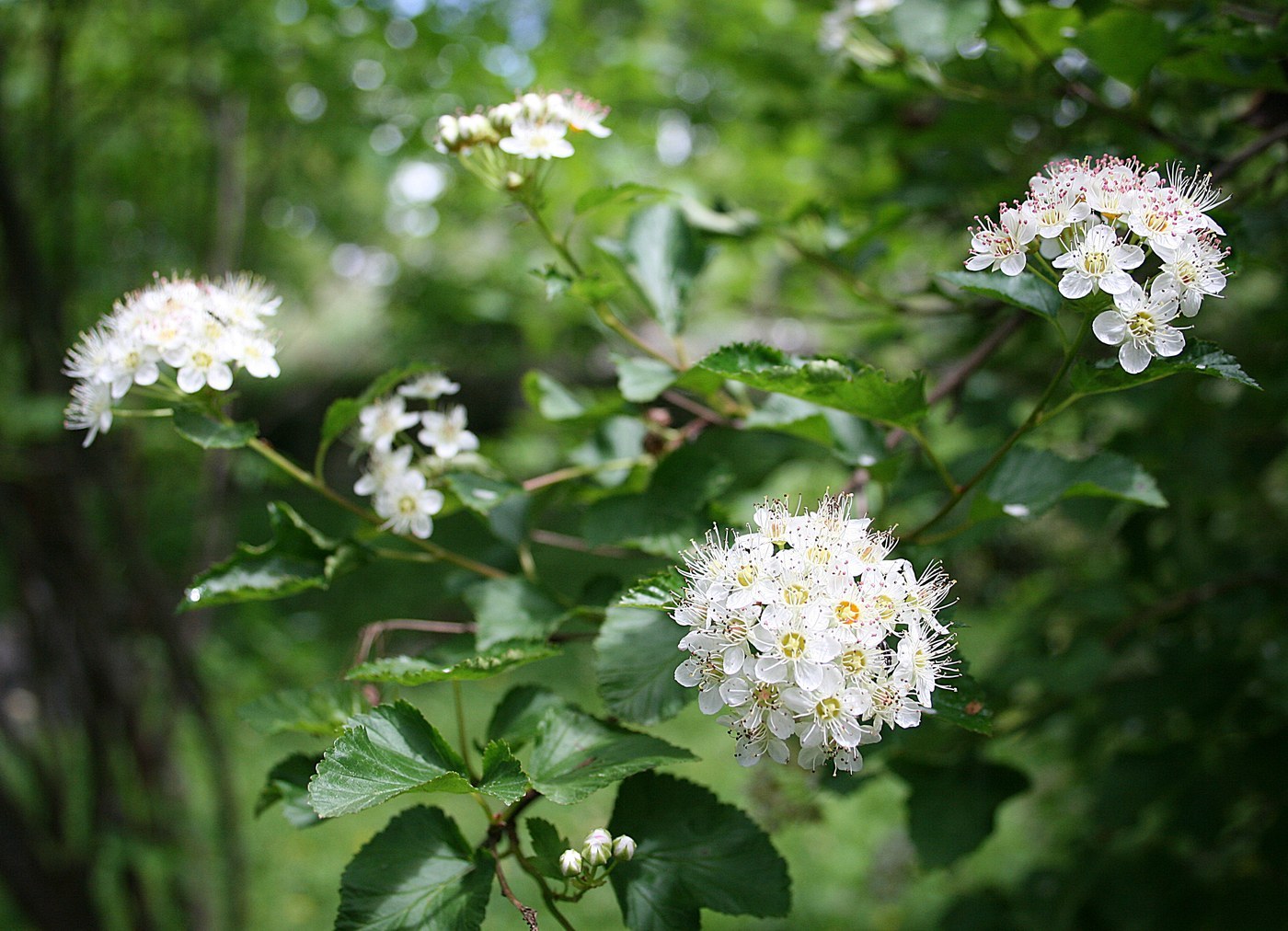
Ninebark (Physocarpus opulifolius) is a tough, adaptable deciduous shrub grown for its arching habit, clusters of spring flowers, and richly colored foliage in cultivars ranging from deep burgundy to golden lime. Its common name refers to the exfoliating bark that peels in papery layers for winter interest. It is an easy, low-maintenance plant that suits almost any garden.
Light
Ninebark grows in full sun to part shade. For the boldest foliage color, especially on the dark-leaved and gold-leaved cultivars, plant it in full sun; too much shade fades purple leaves to muddy green and thins the flowering. In hot climates a little afternoon shade prevents leaf scorch on lighter-colored types.
Water
Water regularly to keep the soil evenly moist during the first year or two while the shrub establishes. Once settled, ninebark is genuinely drought-tolerant and needs only occasional deep watering in extended dry spells. It handles medium moisture well and even tolerates periodically damp soil, making it forgiving of variable conditions.
Soil & Potting
This native shrub is unfussy about soil, thriving in clay, loam, or sandy ground across a wide pH range, though it prefers slightly acidic, well-drained conditions. It tolerates poor and rocky soils. Improve heavy, waterlogged sites with organic matter for better drainage. Ninebark can be grown in large containers with a quality potting mix, though it is happiest in the open ground.
Humidity & Temperature
Ninebark is exceptionally cold-hardy and shrugs off harsh winters. It tolerates heat and humidity as well, though humid, crowded conditions can encourage powdery mildew. It needs no humidity management; simply give it good air circulation.
Feeding
A light feeder, ninebark rarely needs fertilizing in decent soil. A spring application of a balanced slow-release fertilizer or a top-dressing of compost supports healthy growth and vivid leaf color. Avoid heavy feeding, which produces lax, disease-prone growth.
Propagation
Ninebark propagates easily from softwood cuttings taken in early summer or semi-hardwood cuttings later in the season, rooted under humidity with hormone. It can also be grown from seed, and clumps can be divided or layered where low branches touch the soil. Named cultivars must be propagated vegetatively to keep their foliage color true.
Repotting / Pruning
Ninebark responds well to pruning and can get leggy if neglected. Prune right after flowering to shape and to remove the oldest canes at the base, which keeps the shrub dense and encourages fresh colorful growth. It also tolerates hard rejuvenation pruning in late winter, cutting the whole plant back to renew an overgrown specimen. Repot container plants every two to three years.
Common Problems & Pests
Powdery mildew is the most common issue, coating leaves with white film in humid or crowded settings; improve airflow, avoid overhead watering, and choose resistant cultivars. Occasional aphids and leaf spots may appear but rarely cause serious harm. Good spacing and annual thinning of old canes go a long way to keeping ninebark clean and vigorous.
Seasonal Care Tips
Plant in spring or fall. Water attentively through the first season. Enjoy the flower clusters in late spring, followed by colorful summer foliage and reddish seed heads. Prune just after bloom to maintain shape and color. In winter, appreciate the peeling, shredding bark on bare stems, and do any major rejuvenation pruning in late winter before growth resumes.
Frequently asked questions
Why are my purple ninebark leaves turning green?
Dark-leaved ninebark cultivars need full sun to hold their rich burgundy color. In too much shade the purple fades toward green and flowering thins. Move the shrub or thin nearby plants to give it more direct light.
How do I keep ninebark from getting leggy?
Prune right after flowering, removing the oldest canes at the base and shortening arching stems. This renewal pruning keeps the shrub dense and full and encourages fresh, brightly colored new growth.
What causes white powder on ninebark leaves?
That is powdery mildew, common in humid or crowded conditions. Improve air circulation, avoid wetting the foliage, thin out old canes, and consider mildew-resistant cultivars to prevent it.
Is ninebark drought-tolerant?
Yes, once established. Water regularly for the first year or two while roots settle, after which ninebark needs only occasional deep watering in prolonged dry spells, making it a low-maintenance choice.