Ninebark
Physocarpus opulifolius
A rugged North American deciduous shrub named for its peeling, layered bark. Modern cultivars offer striking burgundy, gold, or copper foliage plus clusters of white-to-pink spring flowers.
- Light
- Full sun to part shade
- Water
- Medium; drought-tolerant once established
- Difficulty
- Easy
Got a plant like this?
Identify any plant from a photo, free.
Overview
Ninebark is a tough, fast-growing deciduous shrub native to eastern and central North America, named for the way its mature bark peels in multiple papery layers for winter interest.
While the wild species has green leaves, breeding has produced popular cultivars with deep purple ('Diabolo'), gold ('Dart's Gold'), or copper-orange foliage that make it a colorful backbone of mixed borders. Rounded clusters of white or pink spring flowers give way to reddish seed capsules.
Extremely cold-hardy and adaptable, ninebark tolerates poor soil, drought, and neglect, making it a low-maintenance choice for difficult sites.
How to identify it
- Bark: Exfoliating, peeling in thin papery strips on older stems, revealing layers beneath
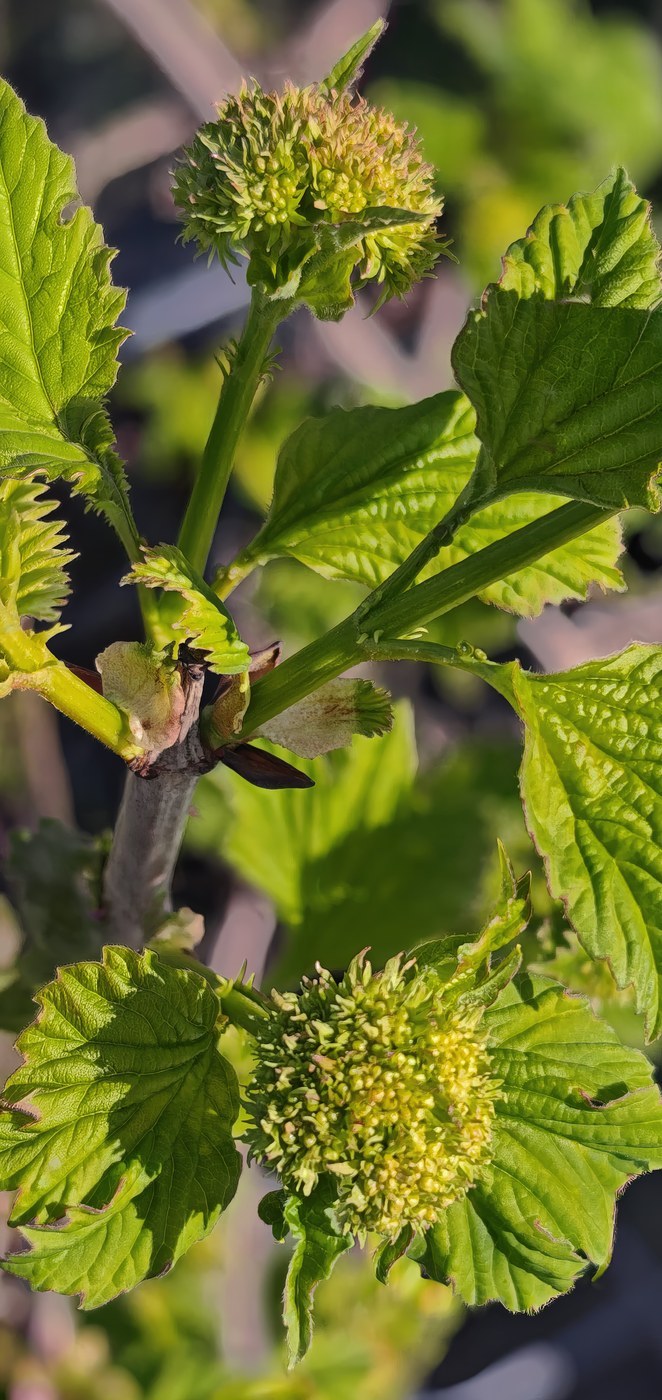
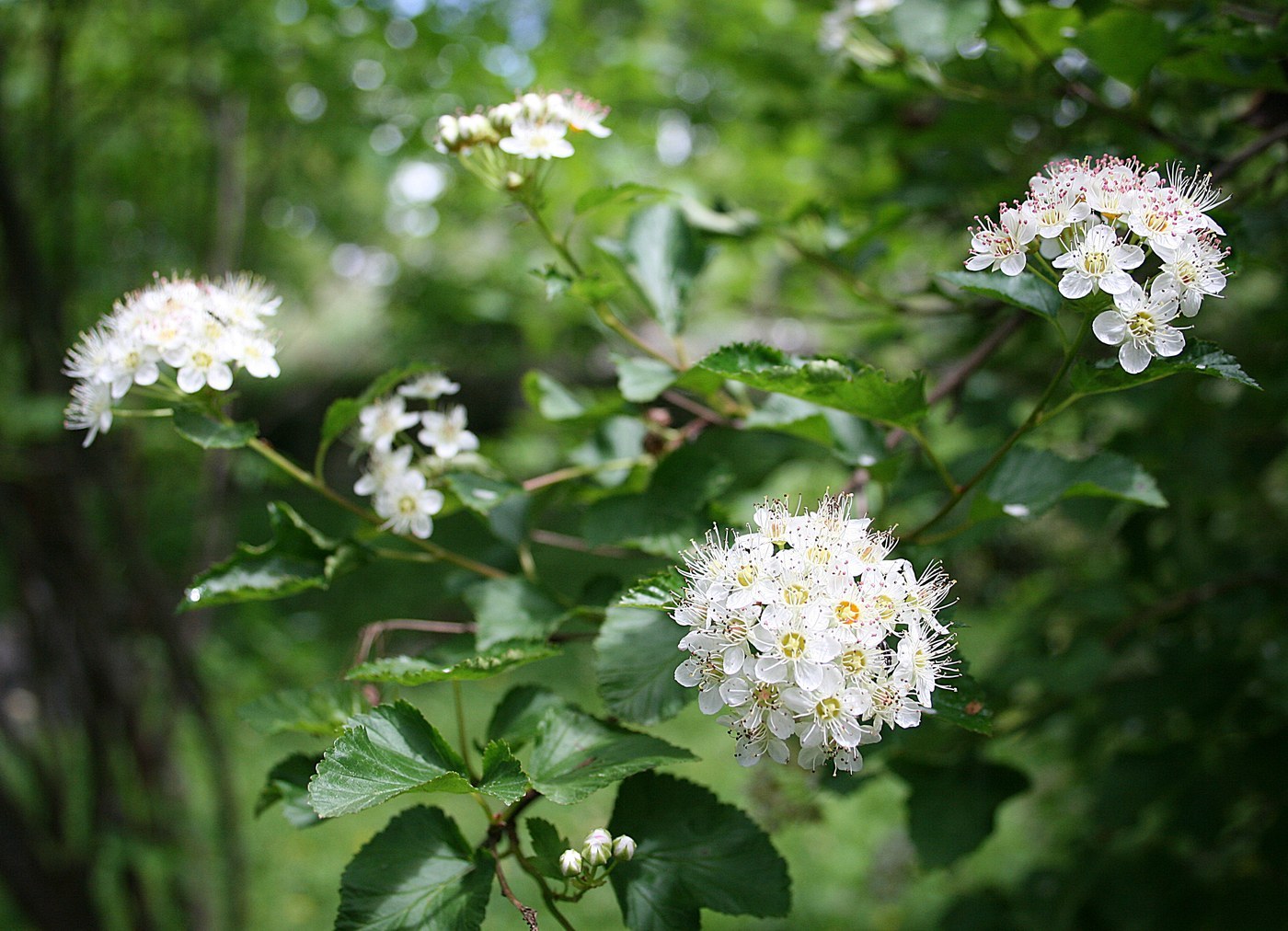
- Leaves: Alternate, lobed, maple-like, 1-3 in; green in the species, but burgundy, gold, or copper in cultivars
- Flowers: Dense, rounded clusters (corymbs) of small white to pinkish five-petaled flowers in late spring
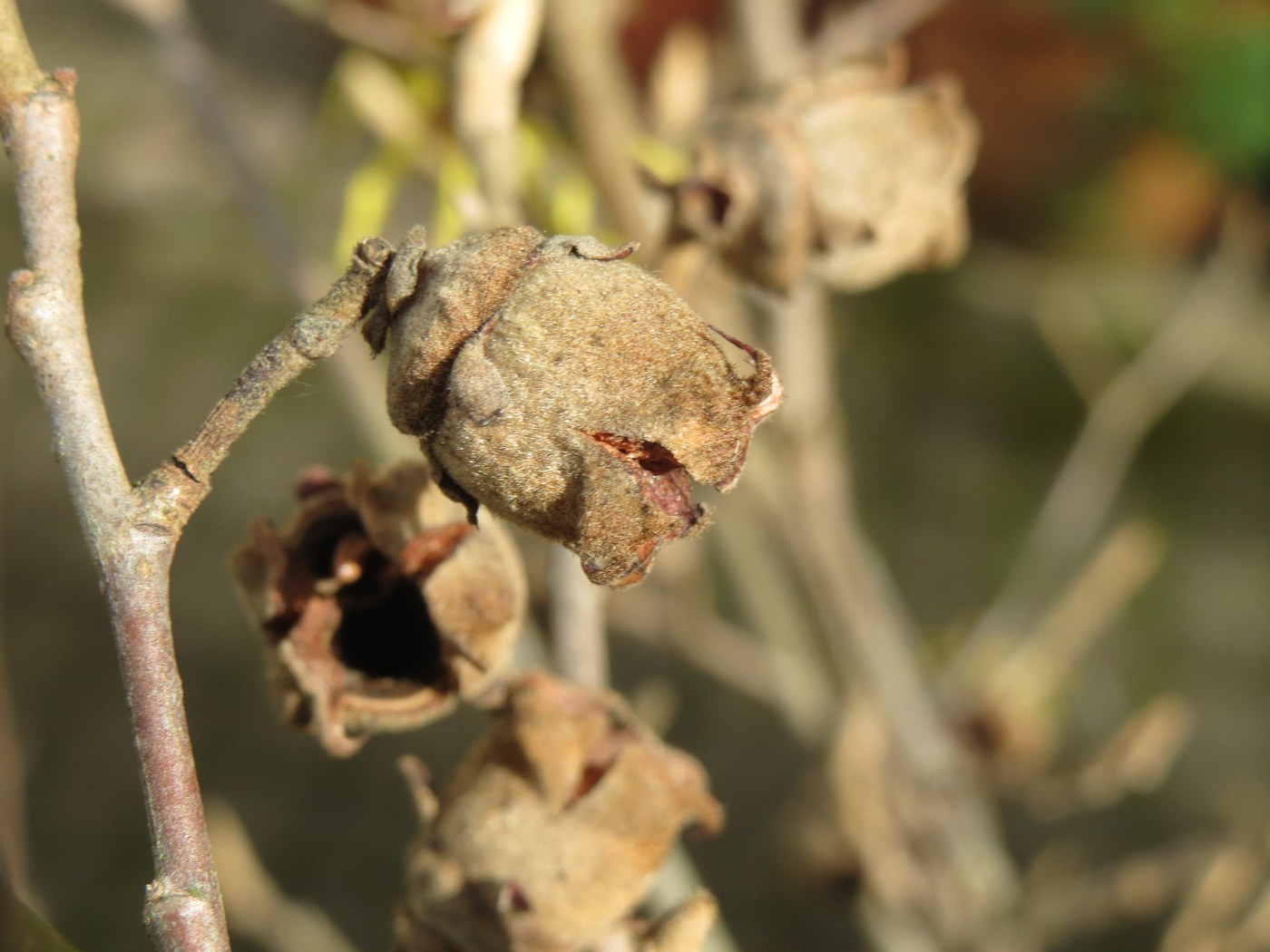
- Fruit: Inflated reddish seed capsules (follicles) in clusters that persist into fall
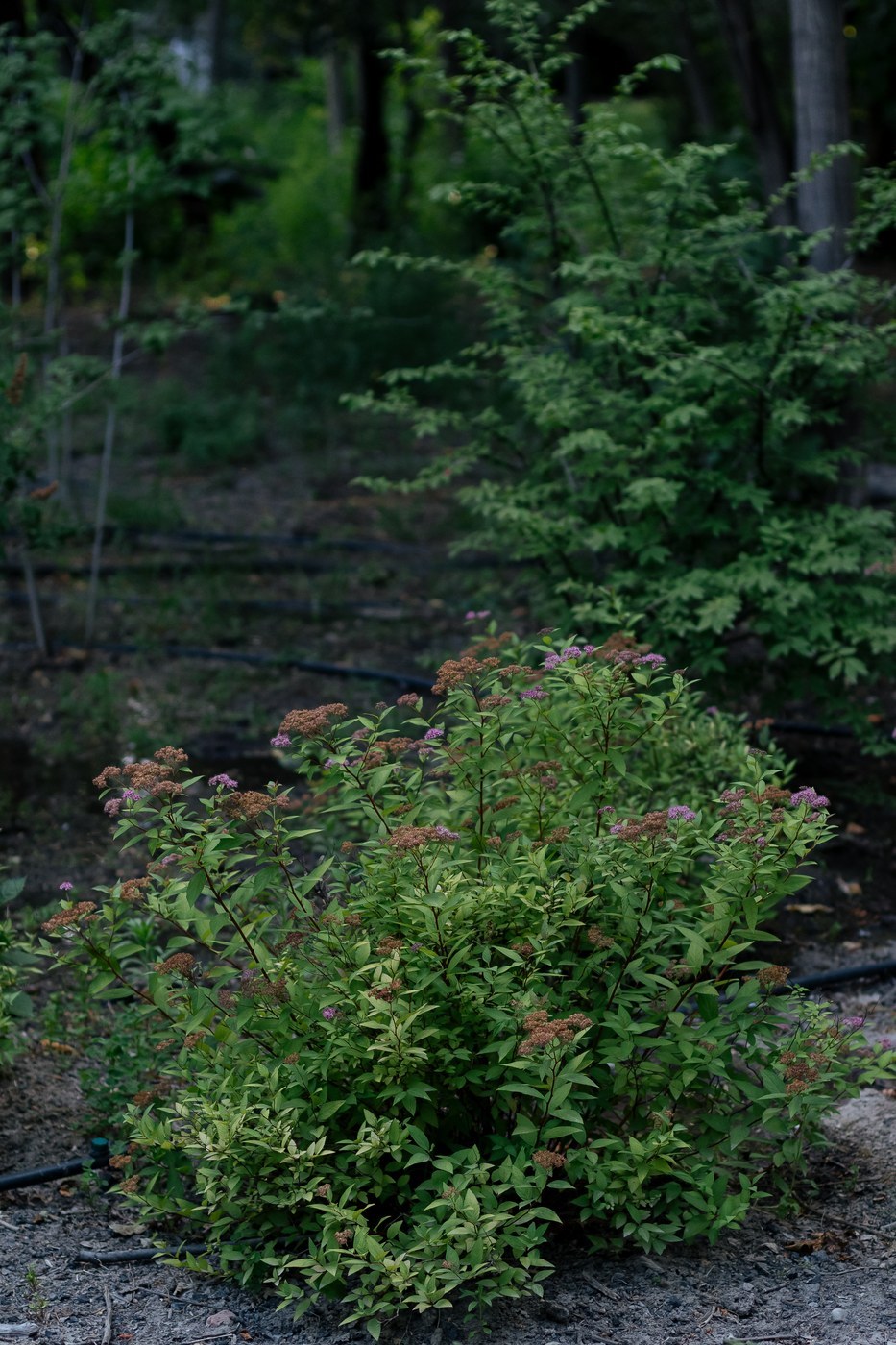
- Habit: Arching, multi-stemmed, rounded shrub usually 5-8 ft tall and wide, with some dwarf cultivars
Care & growing
Light: Full sun gives the richest foliage color; tolerates part shade but purples and golds fade.
Water: Average moisture; well-established plants tolerate drought.
Soil: Very adaptable, including clay and poor or rocky soils; prefers slightly acidic, well-drained ground.
Temperature: Exceptionally cold-hardy, roughly USDA zones 2-8.
Feeding: Little needed; lean soils are fine.
Pruning: Renew by removing about a third of the oldest stems at the base after flowering; can be cut back hard to rejuvenate.
Propagation: Easy from softwood cuttings; species also grows from seed.
Habitat & origin
Native to eastern and central North America, where it grows along streambanks, rocky slopes, woodland edges, and moist thickets. It naturally tolerates both periodic flooding and dry, rocky conditions.
Ninebark and its colorful cultivars are widely planted in temperate gardens as specimen and hedge shrubs and in low-maintenance and native landscapes.
Frequently asked questions
Why is my purple ninebark turning green?
Purple- and gold-leaved cultivars need full sun to hold their color. In shade the foliage reverts toward green.
Can ninebark be pruned hard?
Yes. It tolerates hard renewal pruning, and removing a third of the oldest stems each year keeps it dense and vigorous.
Is ninebark deer resistant?
It is generally considered fairly deer resistant, though hungry deer may still browse it.
How did ninebark get its name?
The common name refers to the mature bark, which peels away in several thin layers, as if it had 'nine barks.'
Ninebark guides
In-depth guides for identifying, growing, and caring for Ninebark.
How to Care for Ninebark
Grow tough, colorful ninebark shrubs with our care guide on sun, watering, pruning, and the peeling bark that gives this hardy native its name.
Ninebark Identification Guide
How to identify ninebark by its peeling, papery bark, maple-like lobed leaves, and rounded white-to-pink flower clusters.