How to Care for Norfolk Island Pine
Keep your Norfolk Island Pine lush and symmetrical with this guide to bright light, even moisture, humidity, and steady indoor care.
Read the full Norfolk Island Pine encyclopedia entry →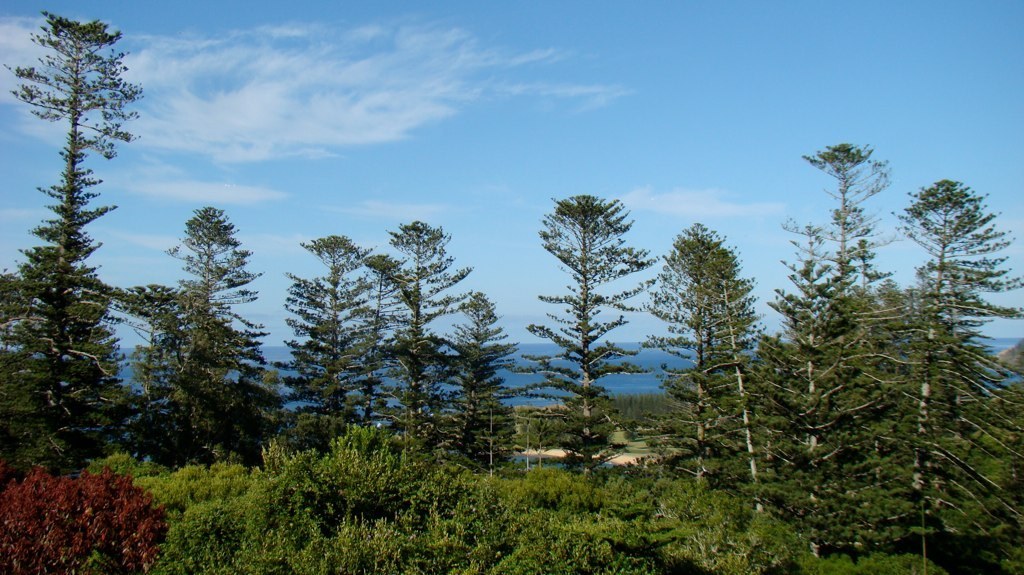
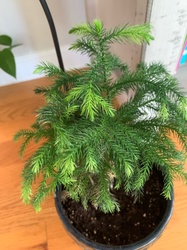
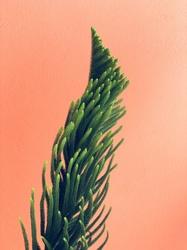
The Norfolk Island Pine (Araucaria heterophylla) is a graceful, symmetrical evergreen conifer grown as an elegant houseplant, with soft needled branches arranged in tidy tiers. Though not a true pine, its living-Christmas-tree looks and easygoing indoor nature make it a beloved specimen plant.
Light
Give your Norfolk Island Pine bright indirect to direct light for the best form. A spot near a bright, sunny window keeps growth full, even, and richly green. In dim conditions the branches stretch, droop, and thin out, and the plant leans toward the light, so rotate it regularly to keep the tiers symmetrical.
Water
Keep the soil evenly moist, allowing only the surface to dry slightly between waterings. Water thoroughly until it drains through, then empty the saucer, as this plant dislikes both drought and soggy roots. Underwatering causes browning branch tips, while chronic overwatering leads to yellowing and root rot; consistent moderate moisture is the goal.
Soil & Potting
Use a light, well-draining potting mix; a peat- or coir-based blend with added perlite or sand works well. Slightly acidic soil suits it best. Always plant in a container with drainage holes, since standing water quickly harms the roots of this moisture-loving but drainage-dependent conifer.
Humidity & Temperature
Norfolk Island Pines appreciate moderate to high humidity and average warm room temperatures, ideally between 60 and 75 degrees Fahrenheit. Dry indoor air, especially from winter heating, causes needle browning, so raise humidity with a humidifier, pebble tray, or nearby grouped plants. Protect the plant from cold drafts, heating vents, and temperatures below about 50 degrees Fahrenheit.
Feeding
Feed during the active growing season in spring and summer with a balanced, diluted liquid houseplant fertilizer roughly monthly. Withhold or greatly reduce feeding in autumn and winter when growth slows. Avoid overfeeding, which can distort the plant's naturally even, tiered growth pattern.
Propagation
Norfolk Island Pine is difficult to propagate at home and is usually grown from seed commercially. Cuttings are challenging because only tip cuttings from the leading shoot grow upright, while side-branch cuttings grow sideways and never form a proper tree. For this reason most growers simply purchase established plants.
Repotting / Pruning
Repot every two to three years in spring when roots fill the pot, moving up one container size into fresh mix. Avoid heavy pruning, as removing branch tips or the central leader ruins the symmetrical shape permanently and it will not regrow the same way. Simply remove entirely dead, brown lower branches to keep the plant tidy.
Common Problems & Pests
Watch for spider mites, mealybugs, scale, and aphids, particularly in dry indoor air; treat with insecticidal soap and boost humidity. Browning needles usually signal dry air, underwatering, or low humidity, while yellowing and dropping often indicate overwatering. Lower branch loss is common with age and insufficient light.
Seasonal Care Tips
Through spring and summer, provide bright light, steady moisture, and monthly feeding to support active growth. In winter, reduce watering and feeding, keep the plant away from cold drafts and hot radiators, and pay special attention to humidity as heated air dries the foliage. Rotate the pot regularly year-round to maintain its prized even, upright symmetry.
Frequently asked questions
Why are the branches on my Norfolk Island Pine turning brown?
Browning needles and tips most often result from dry air, low humidity, or underwatering. Keep the soil evenly moist, raise humidity with a pebble tray or humidifier, and keep the plant away from heating vents and cold drafts.
Can I prune my Norfolk Island Pine to control its size?
Avoid it. Cutting branch tips or the central leader permanently spoils the plant's symmetrical, tiered shape and it will not regrow the same way. Only remove fully dead lower branches, and manage size through pot choice instead.
Why is my Norfolk Island Pine leaning or looking lopsided?
It is reaching toward its light source, and low light also causes thin, drooping growth. Move it to a brighter spot and rotate the pot regularly so all sides receive even light and the tiers stay symmetrical.
How often should I water a Norfolk Island Pine?
Keep the soil evenly moist, letting just the surface dry slightly before watering again. Water thoroughly and drain off excess. Both drought and soggy roots harm it, so aim for consistent, moderate moisture.
Norfolk Island Pine identified by the community
Recent Norfolk Island Pine specimens identified with Plant Identifier.