
How to Care for Norway Maple
Grow the adaptable, dense-canopied Norway Maple (Acer platanoides) in sun to part shade with average, adaptable watering.
Read the full Norway Maple encyclopedia entry →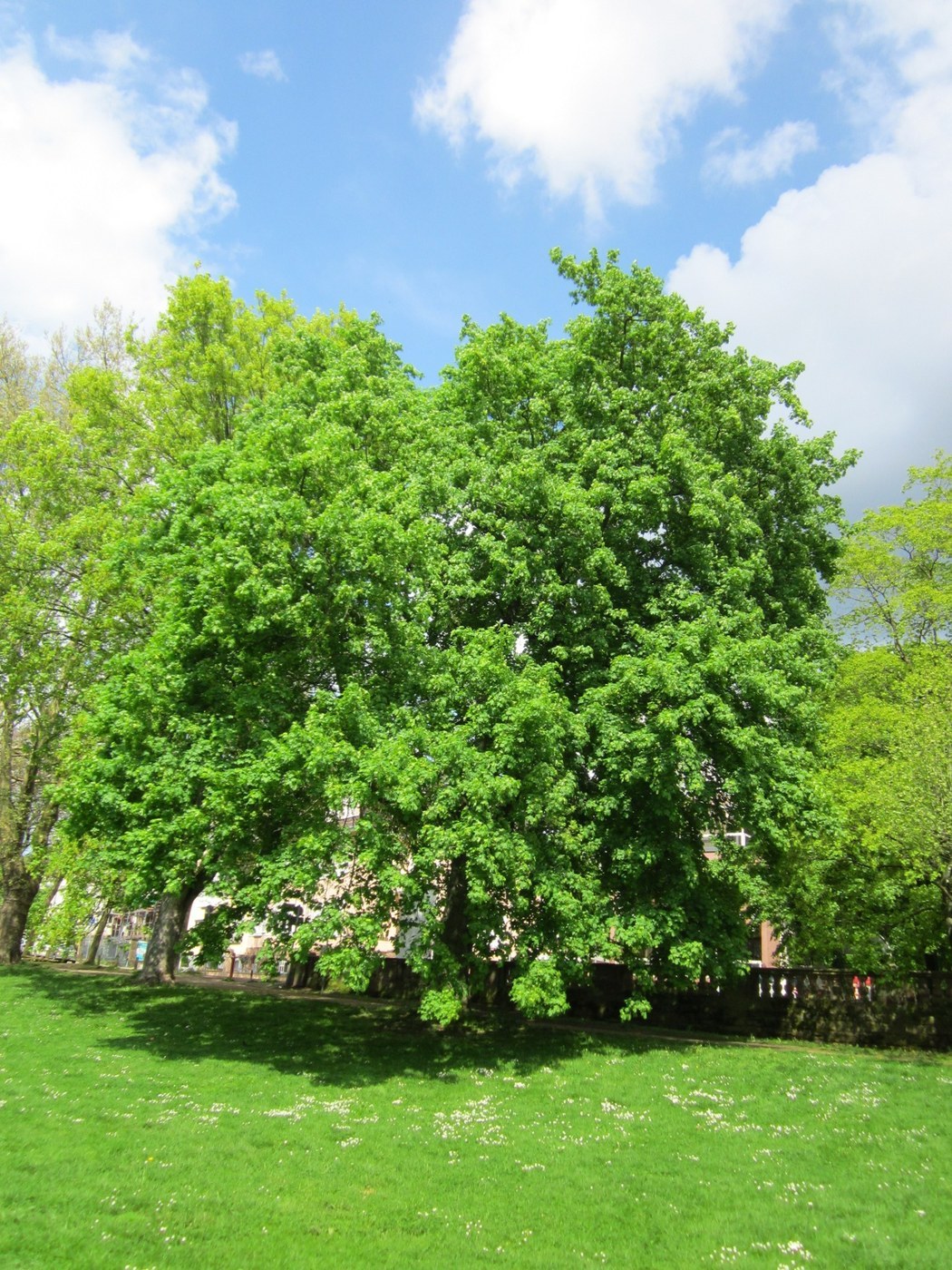
Norway Maple (Acer platanoides) is a tough, adaptable shade tree with a dense, rounded crown of broad, palmate leaves that turn clear yellow in autumn. It tolerates a wide range of soils and urban conditions, making it one of the more forgiving landscape maples to grow.
Light
Norway Maple grows well in full sun to part shade. Full sun produces the fullest, most symmetrical canopy and strongest autumn color, while the tree still performs acceptably in partial shade. Its own dense canopy casts heavy shade beneath it, so plan surrounding plantings accordingly.
Water
Water is easy: the tree accepts average moisture and is highly adaptable once established. Water young trees regularly through their first two or three seasons to build a strong root system, letting the surface soil dry between soakings. Mature trees tolerate ordinary rainfall in most temperate climates and need supplemental water only during extended drought.
Soil & Potting
This maple is unfussy about soil and adapts to sandy, loamy, or clay ground across a broad pH range. It tolerates compacted, urban, and moderately poor soils better than most maples. Reasonable drainage is preferred, but the tree copes with heavier soils. A layer of mulch over the root zone conserves moisture and moderates soil temperature; keep it clear of the trunk.
Humidity & Temperature
Norway Maple is very cold hardy and thrives in cool to temperate climates with distinct seasons. It handles cold winters, summer heat, and urban air well. It is less suited to hot, arid regions, where its shallow roots and dense canopy can suffer heat and moisture stress. Ambient humidity is not a concern.
Feeding
Established trees in average soil rarely need feeding. For young or slow-growing trees, apply a balanced, slow-release tree fertilizer in early spring. Avoid overfeeding, which drives soft, disease-prone growth. A yearly topdressing of compost or mulch usually supplies all the nutrients the tree needs.
Propagation
Norway Maple is typically propagated from seed, which is produced abundantly in paired winged samaras. Seed benefits from cold stratification over winter, either naturally outdoors or in the refrigerator, before sowing in spring. Named cultivars, such as purple-leaved forms, are propagated by grafting or budding onto seedling rootstock to keep them true to type.
Repotting / Pruning
As a landscape tree it is planted directly in the ground rather than potted long-term. Prune in late summer to autumn rather than late winter, since Norway Maple bleeds heavily when cut during the sap flow of late winter and early spring. Remove dead, damaged, crossing, or competing branches and thin the dense canopy lightly to improve airflow and structure while young.
Common Problems & Pests
The dense, shallow root system competes aggressively with turf and nearby plants. Girdling roots can develop and slowly strangle the trunk, so plant at the correct depth and correct circling roots early. Verticillium wilt causes sudden branch dieback and is the most serious disease; there is no cure, so keep trees vigorous and prune out affected wood. Aphids, scale, and leaf tar spot (cosmetic) may appear but rarely threaten a healthy tree.
Seasonal Care Tips
Plant in autumn or early spring. Water young trees through the first summers and mulch the root zone. Prune in late summer or early autumn to avoid heavy spring sap bleed. Watch for wilt symptoms and girdling roots each season, rake fallen leaves if tar spot appears, and enjoy the reliable yellow autumn color.
Frequently asked questions
When should I prune a Norway Maple?
Prune in late summer or early autumn. Cutting in late winter or early spring causes heavy sap bleeding because the tree is under strong sap flow at that time.
Why does grass struggle under my Norway Maple?
Its dense canopy casts deep shade and its shallow, aggressive roots outcompete turf for water and nutrients. Use shade-tolerant groundcover or mulch beneath it instead of lawn.
Is Norway Maple easy to grow?
Yes. It is one of the most adaptable maples, tolerating a wide range of soils, urban conditions, sun to part shade, and cold winters with little care once established.
What causes sudden branch dieback?
Verticillium wilt is the usual culprit, causing wilting and dieback of individual branches. There is no cure; keep the tree vigorous, prune out affected wood, and avoid root damage.