Norway Maple
Acer platanoides
A dense, fast-growing European shade tree with broad five-lobed leaves and milky sap, widely planted but invasive in much of North America.
- Light
- Full sun to part shade
- Water
- Average; adaptable
- Difficulty
- Easy
Got a plant like this?
Identify any plant from a photo, free.
Overview
Norway maple is a tough, adaptable shade tree introduced to North America from Europe and once one of the most heavily planted street trees on the continent. It casts very dense shade and tolerates pollution, compaction, and poor soil.
Those same traits have made it aggressively invasive in many regions, where it escapes into woodlands and crowds out native vegetation. Many areas now discourage or ban its planting, though purple-leaved cultivars like 'Crimson King' remain popular.
How to identify it
A reliable diagnostic is the milky sap:
- Leaves broad, 4-7 in wide, with five sharp-pointed lobes; superficially like sugar maple but wider than long
- Sap test snapping a leaf stalk releases milky white sap (sugar maple's is clear)
- Samaras paired winged seeds set at a wide, nearly horizontal (180°) angle
- Flowers showy yellow-green clusters in early spring before leaves fully open
- Bark gray with regular, shallow interlacing ridges
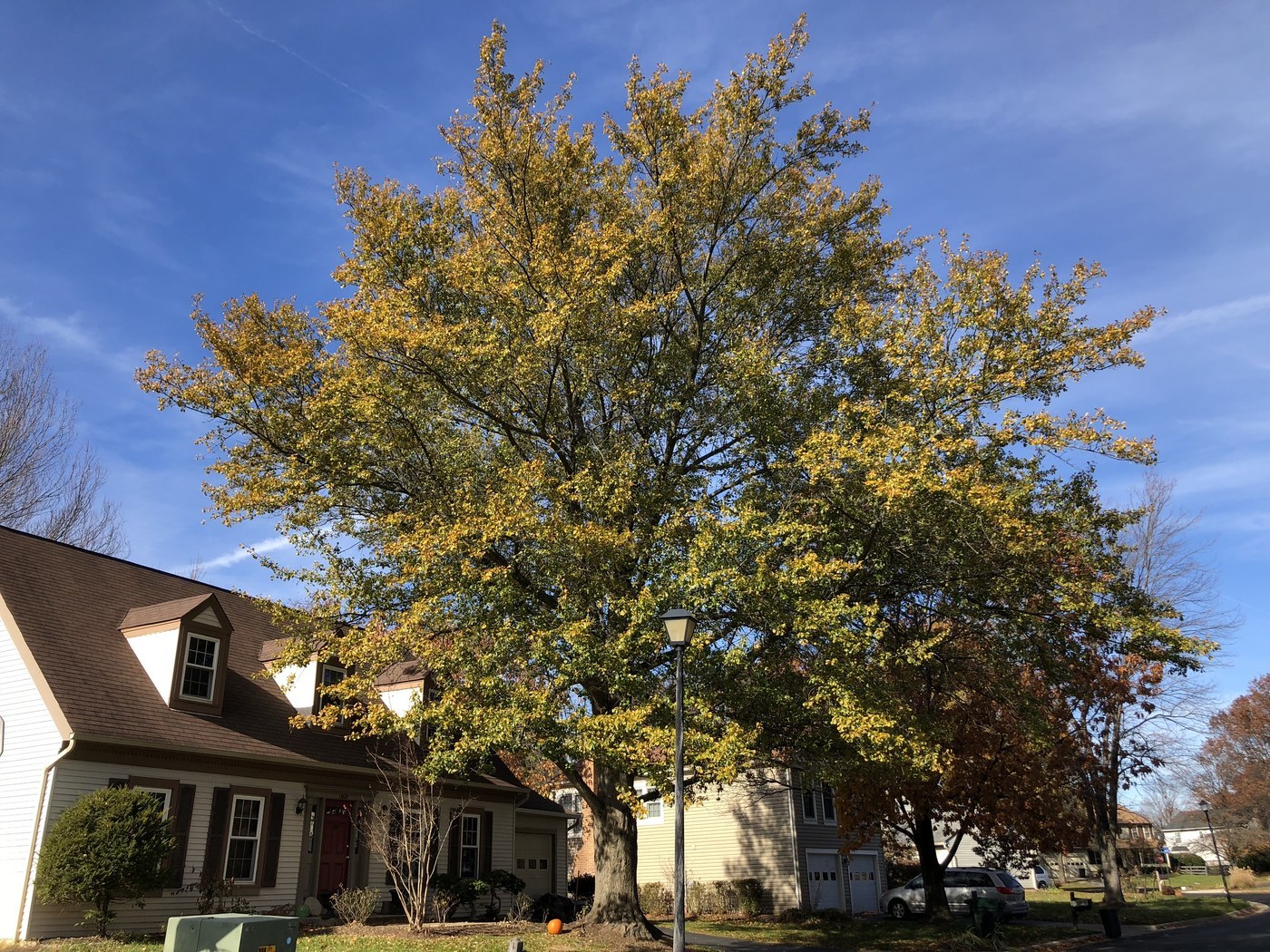
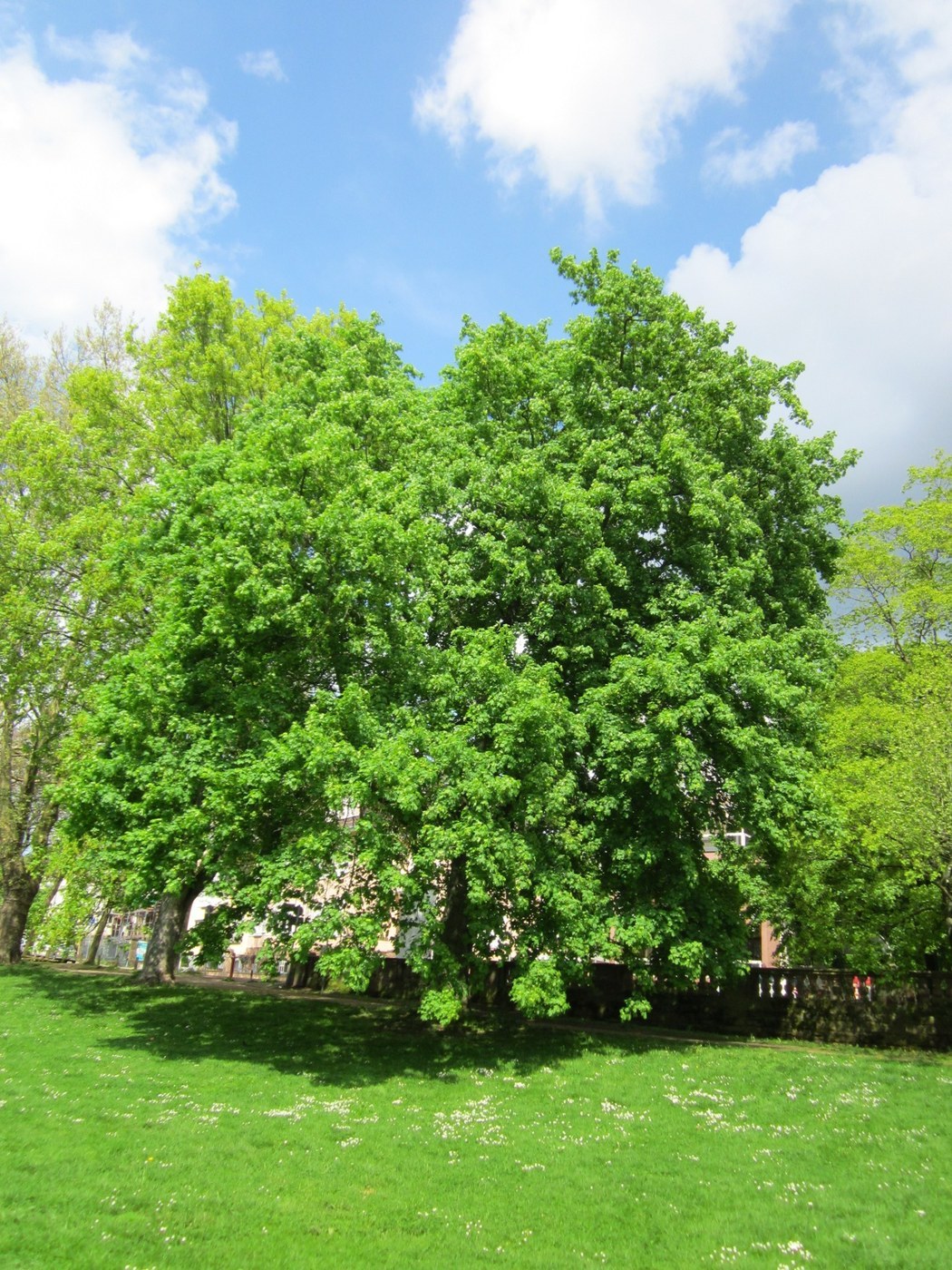
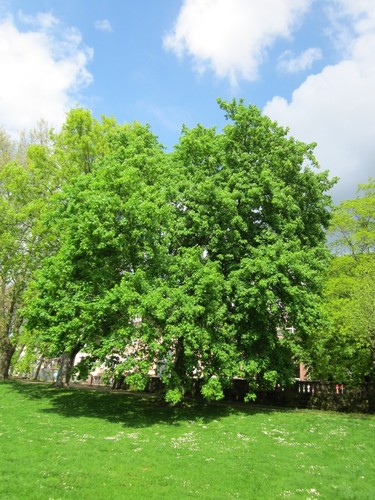
- Form dense, rounded crown 40-60 ft tall casting heavy shade
Care & growing
Famously easy, sometimes too easy.
- Light: Full sun to partial shade
- Water: Adaptable; tolerates drought once established
- Soil: Grows in almost any soil, including clay and compacted urban ground
- Temperature: Hardy in USDA zones 4-7
- Feeding: Rarely needed
- Propagation: Self-seeds prolifically; named cultivars are grafted
Note: Check local regulations before planting, as it is restricted or banned as invasive in many areas.
Habitat & origin
Native to continental Europe and western Asia, from Norway south to the Mediterranean and east to the Caucasus and Iran. It grows naturally in mixed deciduous forests.
In North America it has naturalized widely and invades forests, fencerows, and disturbed land, especially in the Northeast and Midwest.
Frequently asked questions
How do I distinguish it from sugar maple?
Break a leaf stem: Norway maple oozes milky white sap, sugar maple's is clear. Norway maple leaves are also broader and its samaras spread nearly flat.
Is it invasive?
Yes — it self-seeds aggressively and displaces native plants across much of the northeastern and midwestern United States and parts of Canada.
Can I still plant it?
It is banned or discouraged in many jurisdictions; native maples are recommended instead.
Why does grass struggle under it?
Its dense canopy and shallow, competitive roots leave little light, water, or nutrients for plants beneath it.
Norway Maple guides
In-depth guides for identifying, growing, and caring for Norway Maple.
How to Care for Norway Maple
Grow the adaptable, dense-canopied Norway Maple (Acer platanoides) in sun to part shade with average, adaptable watering.
Norway Maple Identification Guide
Identify Norway maple by the milky sap in its leaf stalks, broad five-lobed leaves, and wide-spread paired samaras. Covers leaves, flowers, look-alikes, and habitat.