
How to Care for Norway Spruce
Grow a fast, hardy Norway Spruce (Picea abies): full sun, well-drained soil, moderate water, and easy year-round evergreen care.
Read the full Norway Spruce encyclopedia entry →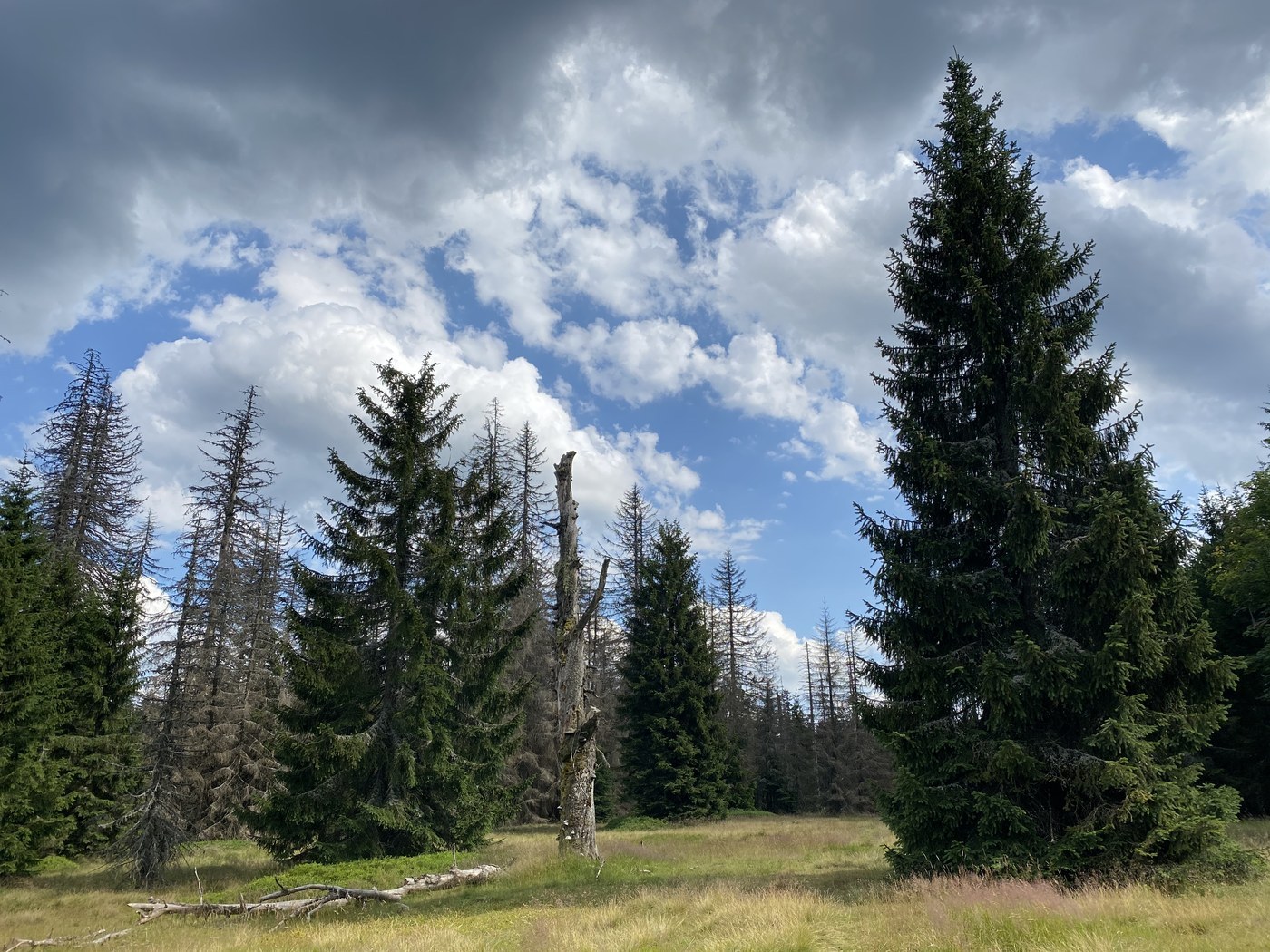
Norway Spruce (Picea abies) is a fast-growing, cold-hardy evergreen conifer prized as a specimen tree, windbreak, and living or cut holiday tree. It is forgiving and easy once established, tolerating a wide range of conditions in cool-temperate climates.
Light
Give Norway Spruce full sun for the densest, most symmetrical form. It will grow in partial shade but tends to thin out and lean toward the light, becoming sparse on the shaded side. A minimum of six hours of direct sun daily keeps the crown full and the needles a rich green.
Water
Water is moderate. Keep young trees consistently moist through their first two or three years while the root system establishes, giving a deep soak weekly during dry spells rather than frequent shallow watering. Mature trees are quite drought-tolerant but grow best with occasional deep watering during prolonged summer drought. The plant dislikes waterlogged ground, so always plant in well-drained soil.
Soil & Potting
Norway Spruce prefers a deep, moist, well-drained loam and thrives in slightly acidic to neutral soil. It adapts to sandy or clay soils as long as drainage is adequate. Amend heavy clay with organic matter at planting and avoid low spots where water collects. If grown in a container while young, use a free-draining, slightly acidic potting mix and a pot with generous drainage holes.
Humidity & Temperature
This is a tree of cool, humid northern climates and is extremely cold-hardy, shrugging off hard winters. It performs poorly in hot, humid, or arid regions with prolonged high heat, where growth slows and stress mounts. It appreciates cool nights and average to high atmospheric humidity.
Feeding
Established trees in decent soil rarely need feeding. For young trees or those showing pale, sluggish growth, apply a balanced or slightly acidifying slow-release conifer or evergreen fertilizer in early spring. Avoid late-season feeding, which pushes tender growth vulnerable to frost. A layer of organic mulch over the root zone feeds the tree slowly as it breaks down.
Propagation
Norway Spruce is most commonly propagated from seed, which requires a period of cold stratification before sowing in spring. Named dwarf and weeping cultivars are propagated by grafting or from semi-hardwood cuttings taken in late summer under mist, though cuttings root slowly and unevenly.
Repotting / Pruning
Spruce needs little pruning; its naturally pyramidal shape is best left alone. Remove dead, damaged, or crossing branches in late winter, and trim lightly in late spring after new growth hardens if you want to shape it. Do not cut back into old, leafless wood, as spruce does not readily resprout from bare branches. Container-grown young trees should be potted up as roots fill the pot, then eventually planted out.
Common Problems & Pests
Watch for spruce spider mites, which cause stippled, bronzing needles in hot dry weather; adelgids, which form galls or white woolly patches; and spruce budworm and sawfly larvae that chew new growth. Fungal needle-cast diseases and cytospora canker can cause browning and dieback, especially on stressed or crowded trees. Good air circulation, adequate spacing, and avoiding drought stress prevent most problems. Inner-needle browning and shedding each fall is normal.
Seasonal Care Tips
Plant in early spring or fall. Water deeply through the first summers and mulch to conserve moisture. Feed young trees in early spring only. Do major pruning in late winter. Give trees a deep soak before the ground freezes in cold climates to reduce winter desiccation, and protect newly planted specimens from harsh winter wind.
Frequently asked questions
How fast does Norway Spruce grow?
It is one of the faster-growing conifers, often adding one to two feet or more of height per year when young in good conditions, which is why it is popular for quick screens and windbreaks.
Can I grow Norway Spruce in a container?
Yes, while it is young. Use a large, free-draining pot with acidic potting mix and water consistently. It will eventually outgrow any container and is best transplanted into the ground.
Why are the inner needles turning brown and dropping?
Seasonal shedding of the oldest interior needles each fall is normal. Widespread browning of new growth, however, may signal spider mites, drought stress, or a needle-cast disease.
Does Norway Spruce need full sun?
For the densest, most symmetrical shape, yes. It grows in partial shade but becomes thin and one-sided, so give it at least six hours of direct sun daily.
How much water does a young Norway Spruce need?
Deep weekly soakings during dry weather for the first two to three years. Once established it is drought-tolerant and needs extra water only during prolonged summer drought.