Norway Spruce
Picea abies
Norway spruce is a fast-growing European evergreen conifer with drooping branchlets and the longest cones of any spruce; it is widely used for timber, windbreaks, and as a Christmas tree.
- Light
- Full sun
- Water
- Moderate; well-drained soil
- Difficulty
- Easy
Got a plant like this?
Identify any plant from a photo, free.
Overview
Norway spruce (Picea abies) is a large, fast-growing evergreen conifer native to northern and central Europe and one of the most economically important trees on that continent. It is widely planted across the Northern Hemisphere for timber, shelterbelts, and as a Christmas tree.
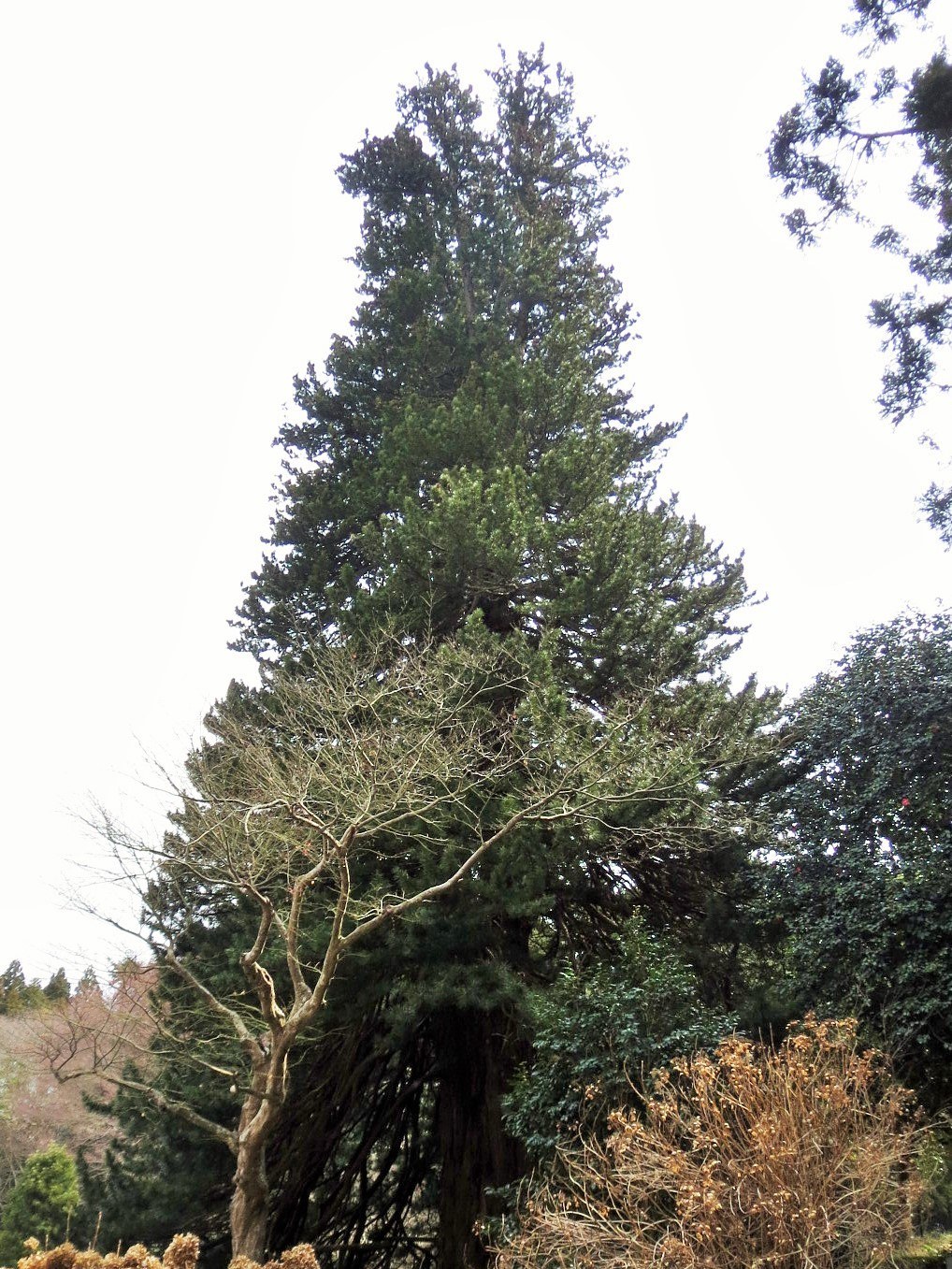
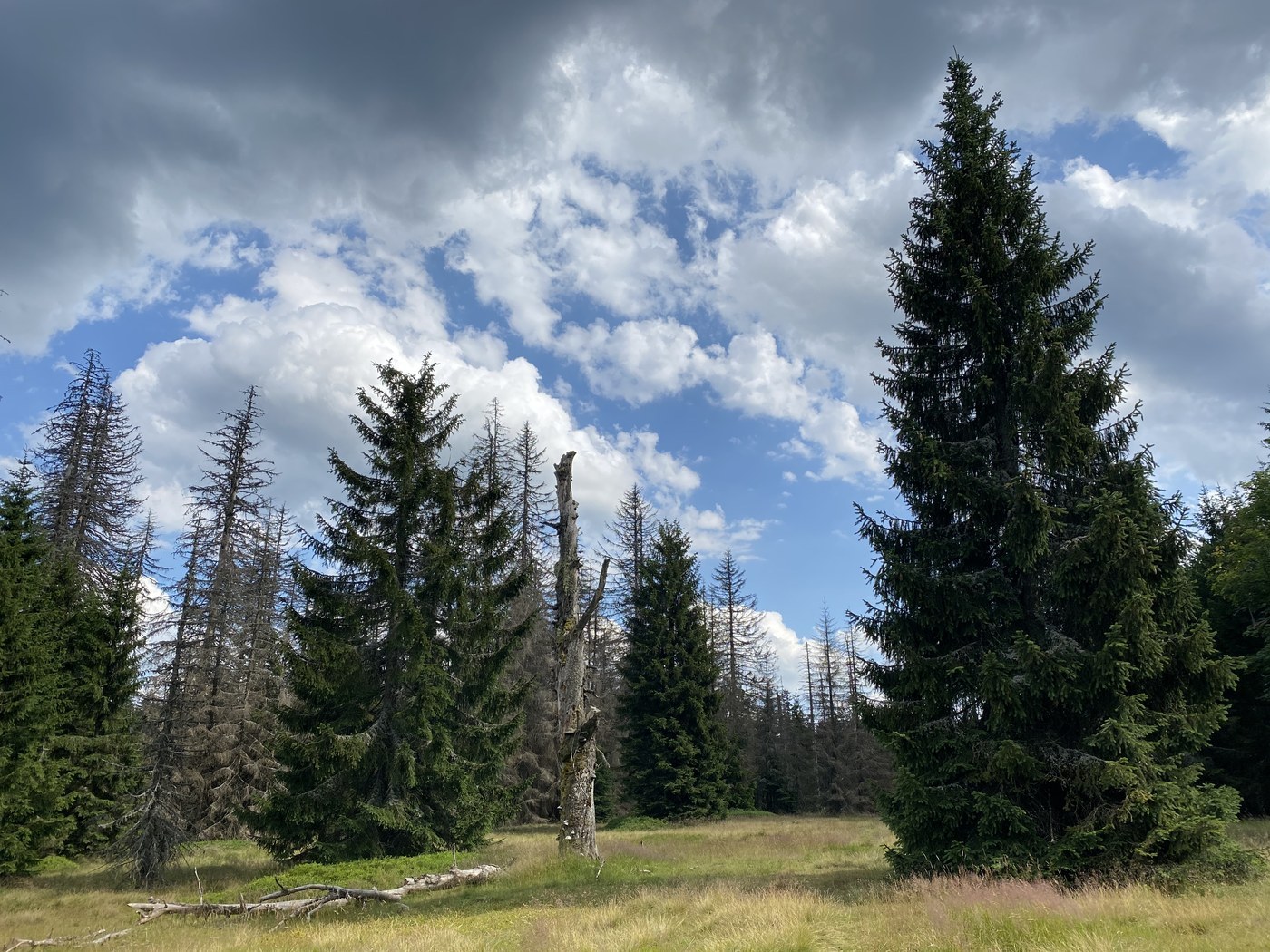
Mature trees develop a distinctive habit in which small branchlets hang down like curtains from the main, upward-sweeping branches.
It bears the largest cones of any spruce, and is hardy, adaptable, and a reliable fast grower in cool climates.
How to identify it
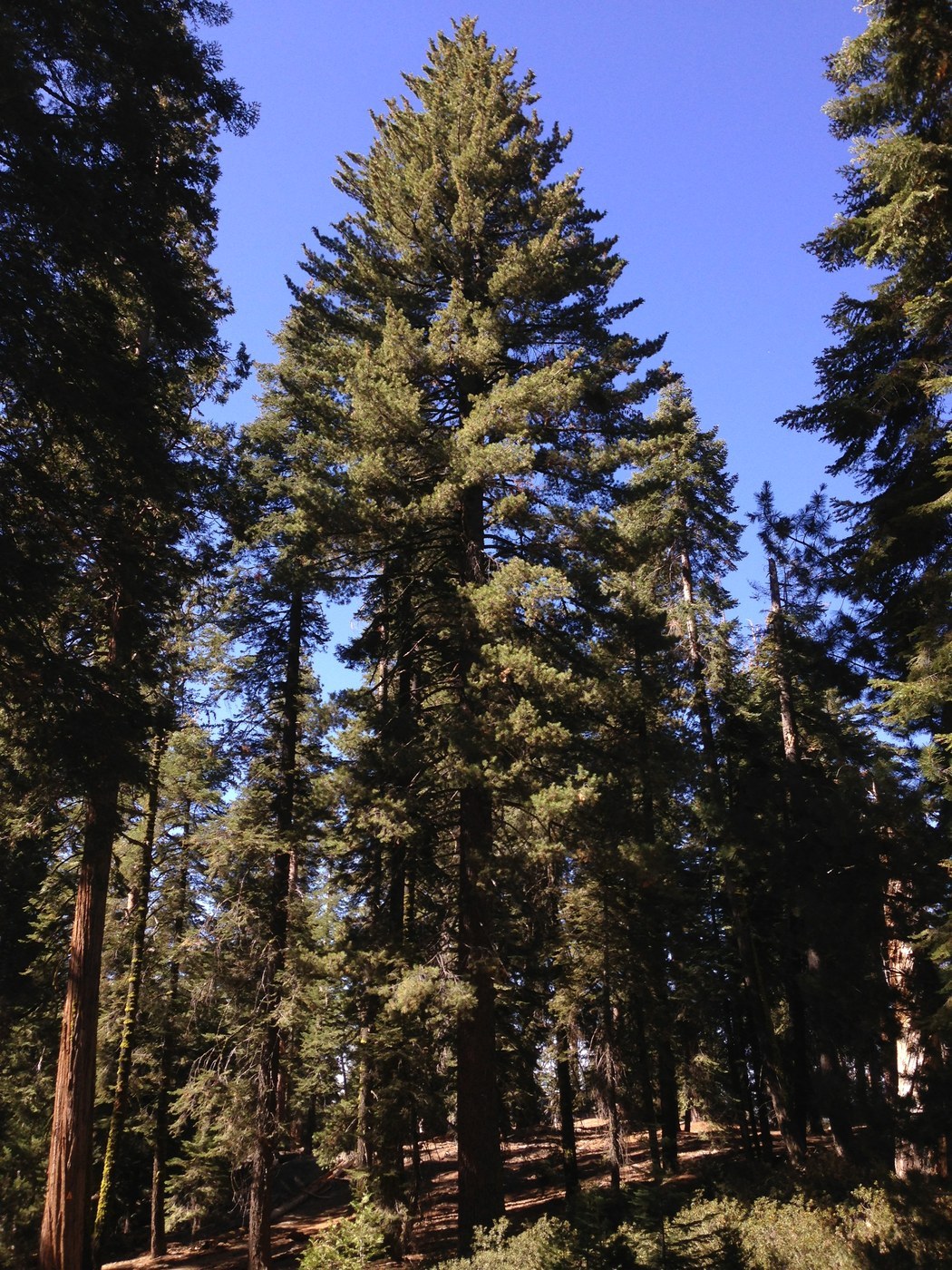
A tall, conical evergreen with drooping branchlets.
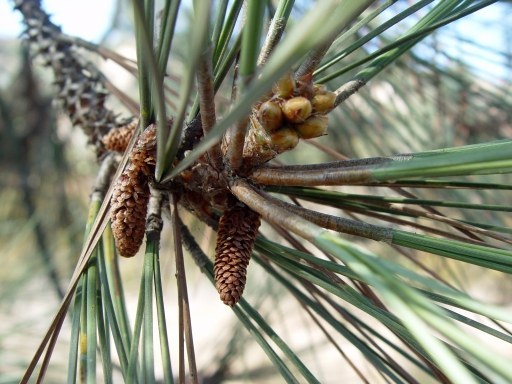
- Needles: dark green, four-sided, stiff, 1-2.5 cm, sharp-pointed, attached singly to small peg-like bases
- Cones: large, cylindrical, hanging, 10-18 cm long — the longest of any spruce — with thin, papery scales
- Habit: broadly conical with horizontal main branches from which secondary branchlets droop conspicuously on older trees
- Bark: thin, coppery to grayish-brown, flaking in small scales
- Size: 30-50 m tall
- New growth and twigs are orange-brown
Care & growing
An easy, hardy conifer for cool-climate landscapes.
- Light: full sun
- Water: moderate; prefers moist but well-drained soil; moderately drought tolerant once established
- Soil: adaptable; does best in deep, fertile, slightly acidic soil
- Temperature: very hardy, USDA zones 2-7; dislikes hot, dry climates
- Feeding: rarely needed
- Propagation: from seed; many dwarf and weeping cultivars from cuttings or grafts
- Use: excellent for fast windbreaks and screens
Habitat & origin
Native to the mountains and cooler lowlands of central, northern, and eastern Europe, from Scandinavia and the Alps eastward into Russia. It forms extensive forests across this range.
It has been planted very widely beyond its native range, including across North America, for timber, ornamental use, shelterbelts, and Christmas tree production. Numerous dwarf and weeping cultivars are popular in gardens.
Frequently asked questions
How do I tell Norway spruce from a fir or pine?
Spruce needles are short, stiff, sharp, four-sided, and attached singly to peg-like bases; firs have soft flat needles and pines have needles in bundles. Norway spruce also has long drooping cones.
Why do the branches droop?
Mature Norway spruces develop hanging secondary branchlets, or "streamers," off their main branches, giving the tree a graceful curtain-like appearance.
Is Norway spruce a good Christmas tree?
It's a traditional favorite with a classic shape and scent, but it tends to drop needles quickly indoors, so firs are often chosen for longer-lasting cut trees.
How fast does Norway spruce grow?
It's one of the faster-growing spruces, often adding 30-60 cm per year when young, which makes it popular for quick windbreaks and screens.
Norway Spruce guides
In-depth guides for identifying, growing, and caring for Norway Spruce.
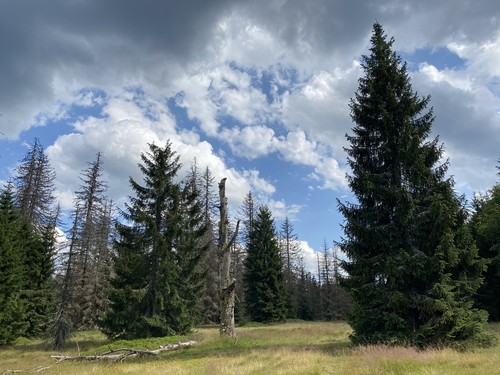
How to Care for Norway Spruce
Grow a fast, hardy Norway Spruce (Picea abies): full sun, well-drained soil, moderate water, and easy year-round evergreen care.
Norway Spruce Identification Guide
Identify Norway spruce by its long hanging cones, sharp four-sided needles on woody pegs, and drooping branchlets.