
How to Care for Okra
Okra (Abelmoschus esculentus) is an easy, heat-loving annual with large hibiscus-like flowers, thriving in full sun and warm soil.
Read the full Okra encyclopedia entry →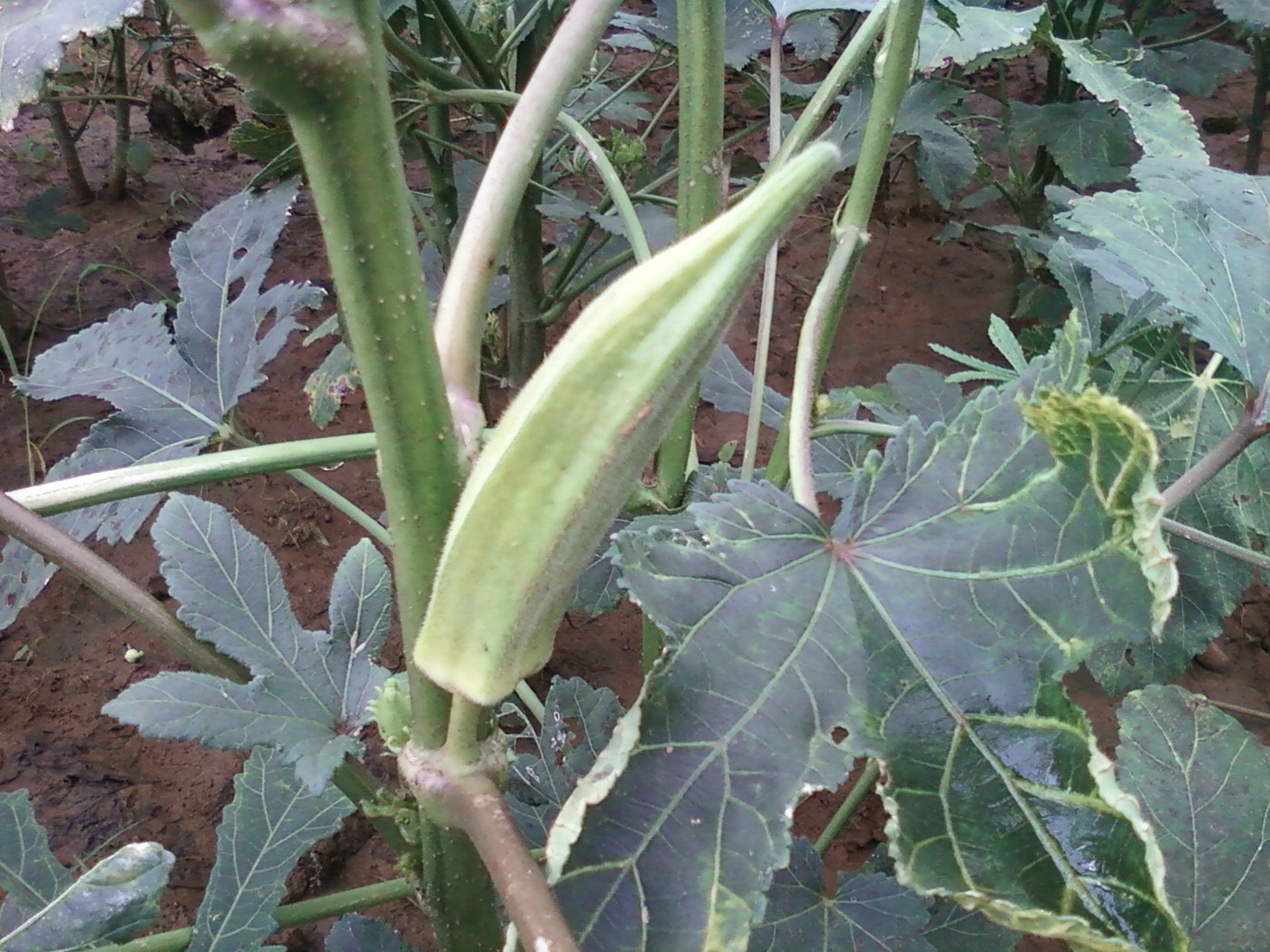
Okra (Abelmoschus esculentus) is a fast-growing, heat-loving annual in the mallow family, admired ornamentally for its bold architecture and large, hibiscus-like flowers of pale yellow with a maroon center. It relishes warmth and sun, making it an easy plant wherever summers are long and hot.
Light
Okra demands full sun, the more the better, for sturdy stems and prolific flowering. It performs poorly in shade, growing leggy and blooming sparsely. Choose the sunniest, warmest spot in the garden.
Water
Water moderately and evenly, keeping the soil consistently moist during active growth, especially in hot weather. Once established, okra is fairly drought-tolerant and can withstand short dry spells. Avoid waterlogging; deep, less frequent watering suits it best.
Soil & Potting
Grow okra in fertile, well-drained soil rich in organic matter, with a neutral to slightly acidic pH. It tolerates a range of soils but rewards loose, warm, fertile ground with vigorous growth. In containers, use a large pot with a rich, free-draining mix, as the plant grows tall.
Humidity & Temperature
A true warm-season plant, okra needs heat and thrives in temperatures of roughly 75-95°F (24-35°C). It is frost-tender and will not tolerate cold; wait until soil and air are reliably warm before setting it out. It handles humidity well and dislikes cold, wet conditions.
Feeding
Feed with a balanced fertilizer at planting and again as the plants mature and begin flowering. Work compost into the bed beforehand for steady fertility. Avoid excessive nitrogen, which produces lush foliage at the expense of flowers.
Propagation
Okra is grown from seed, sown directly into warm soil after all danger of frost has passed or started indoors a few weeks earlier in cooler climates. Soaking the hard seeds overnight speeds germination. Seedlings resent root disturbance, so transplant carefully or direct-sow.
Repotting / Pruning
As an annual, okra is not repotted long-term, but container seedlings should be potted up promptly to keep growth unchecked. Tall plants may need staking in windy sites. Removing lower leaves as the plant grows improves airflow, and pinching the growing tip can encourage a bushier form.
Common Problems & Pests
Watch for aphids, whiteflies, spider mites, and stink bugs, along with fungal issues such as powdery mildew and root or stem rot in cold, wet soil. Fusarium wilt can affect stressed plants. Provide warmth, sun, good drainage, and airflow to keep okra healthy and problem-free.
Seasonal Care Tips
Sow after the soil warms in late spring, and expect rapid growth once summer heat arrives. Feed and water steadily through the hot months of active growth and flowering. Okra performs at its peak in high summer and declines with the first cool weather, being killed by frost, so treat it as a warm-season annual.
Frequently asked questions
When should I plant okra?
Plant only after all danger of frost has passed and the soil is reliably warm, since okra is a heat-loving, frost-tender annual. In cooler regions, start seeds indoors a few weeks early and transplant carefully.
Why is my okra tall and spindly with few flowers?
This usually means too little sun or too much nitrogen. Grow okra in full sun and use a balanced fertilizer rather than a high-nitrogen feed to encourage flowering.
Can I grow okra in a container?
Yes. Use a large, deep pot with rich, free-draining soil, place it in the sunniest, warmest spot, and water evenly. Because okra grows tall, choose a heavy container and stake if needed.
How do I speed up okra seed germination?
Soak the hard-coated seeds in water overnight before sowing, and plant into warm soil. Warmth is essential, as okra seed germinates slowly and poorly in cold ground.