Okra
Abelmoschus esculentus
Okra is a heat-loving annual in the mallow family, grown in warm-climate gardens for its showy hibiscus-like flowers and slender, ridged green seed pods. It thrives in hot summers.
- Light
- Full sun
- Water
- Moderate; drought-tolerant once established
- Difficulty
- Easy
Got a plant like this?
Identify any plant from a photo, free.
Overview
Okra is a tall annual in the mallow family (Malvaceae), closely related to hibiscus and cotton, cultivated across warm regions as a fruiting garden plant.
The plant is famously heat-tolerant and productive, flowering and setting pods continuously through summer. Its showy, hibiscus-like blooms make it attractive as well as useful.
How to identify it
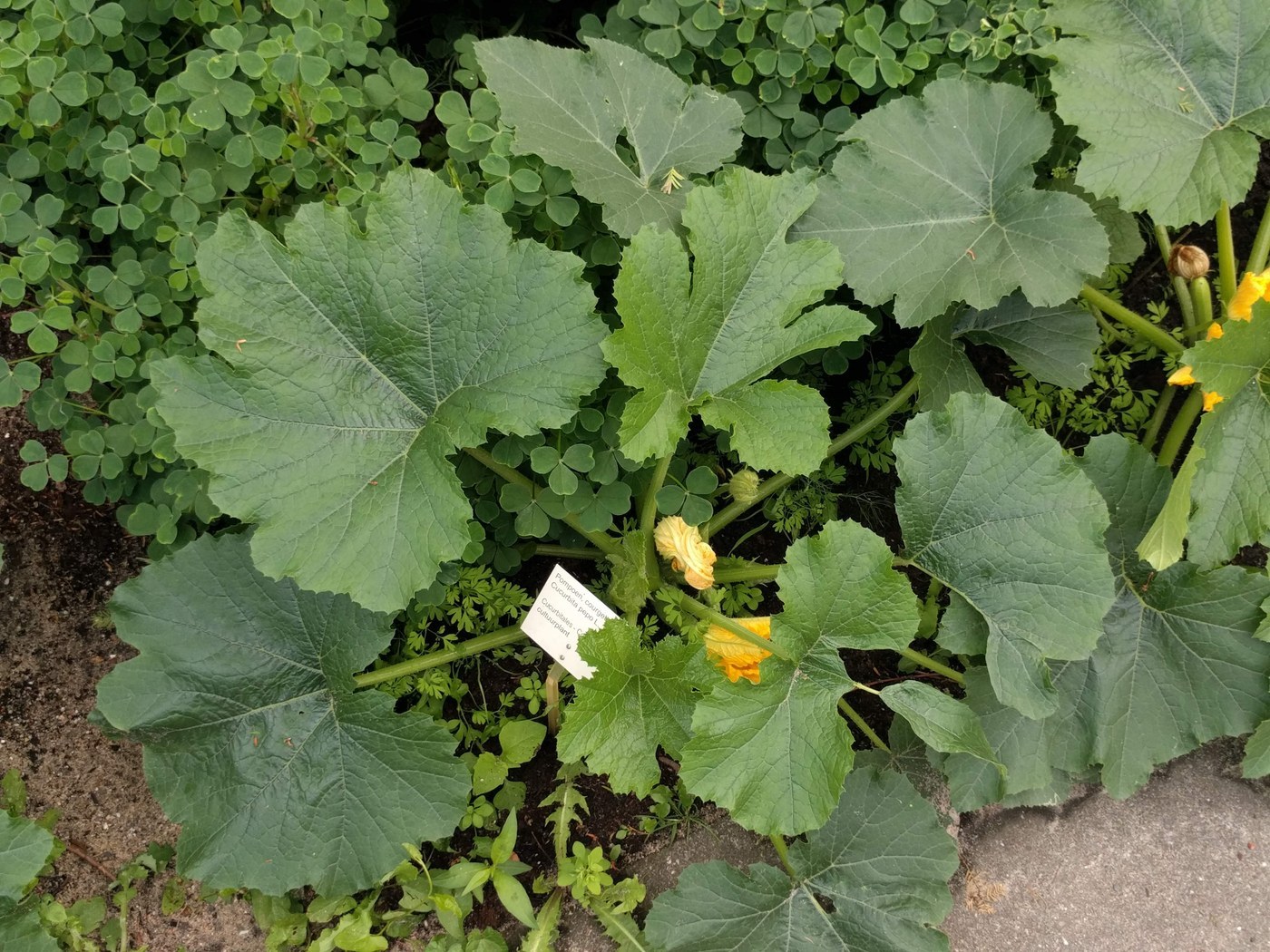
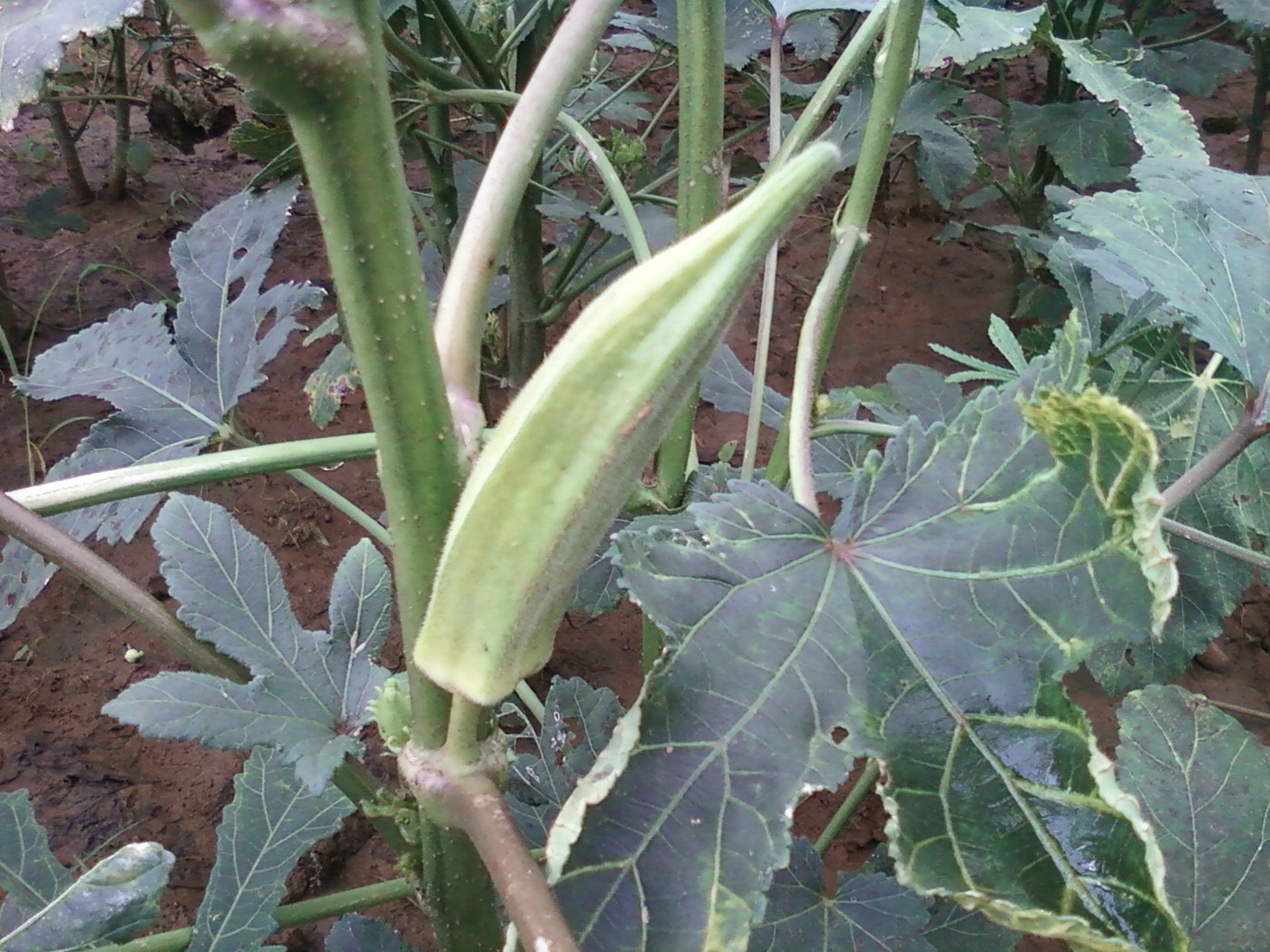
An upright, sturdy plant with large lobed leaves and pale yellow hibiscus-like flowers.
- Leaves: Broad, palmately 5-lobed, rough-textured, up to 6-8 in wide
- Flowers: Showy, pale yellow to cream with a deep maroon center, resembling small hibiscus blooms
- Pods: Slender, ridged, tapering green (sometimes red) capsules
- Habit: Erect, single-stemmed to branching, often 3-6 ft tall (some types taller)
- Stems: Stout, sometimes slightly bristly
Care & growing
Light: Full sun and heat are essential.
Water: Moderate, even moisture during flowering and podding; tolerates drought once established.
Soil: Well-drained, fertile soil; tolerates a range but prefers pH 6.0-6.8.
Temperature: A true warm-season plant; needs soil above 65-70 F and air temps of 75-95 F. Frost kills it.
Feeding: Light to moderate; too much nitrogen yields leaves over pods.
Propagation: From seed sown directly after the soil warms; soaking seed overnight speeds germination.
Habitat & origin
Okra likely originated in northeast Africa (near Ethiopia) and spread through the Middle East, India, and via the transatlantic slave trade to the Americas, where it became a familiar Southern garden plant.
It is cultivated throughout the tropics and warm temperate zones — India, West Africa, the Middle East, and the southern United States — wherever long, hot summers occur.
Frequently asked questions
How do I recognize an okra plant?
Look for an upright plant 3-6 ft tall with broad, palmately 5-lobed rough leaves and pale yellow hibiscus-like flowers with a maroon center, followed by slender, ridged green pods.
Does okra need a lot of heat?
Yes. Okra is one of the most heat-loving plants and won't thrive until soil and air are reliably warm. In cool climates, start it indoors and plant out after the soil exceeds 65 F.
Why is my okra plant flowering but not setting pods?
Excess nitrogen, cool temperatures, or poor pollination can limit pod set. Ensure full sun, warm weather, and avoid over-fertilizing with nitrogen.
How tall does okra grow?
Most types reach 3-6 ft, with some tall varieties exceeding that; the plant is upright with a stout, sometimes bristly stem.
Okra guides
In-depth guides for identifying, growing, and caring for Okra.
How to Care for Okra
Okra (Abelmoschus esculentus) is an easy, heat-loving annual with large hibiscus-like flowers, thriving in full sun and warm soil.
Okra Identification Guide
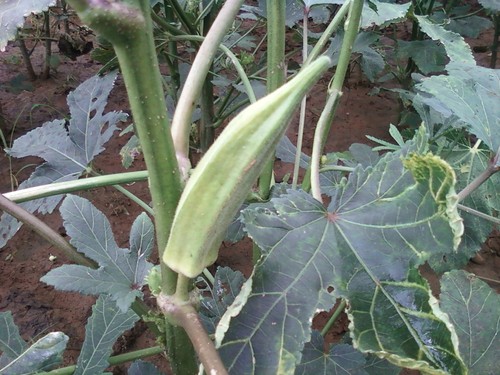
Recognize okra by its tall stems, broad maple-like leaves, hibiscus-style cream-and-maroon flowers, and the ribbed, pointed seed pods that stand upright.