How to Care for Oleander
Grow Nerium oleander in full sun with lean, well-drained soil for a heat-loving, drought-tolerant shrub covered in showy summer flowers.
Read the full Oleander encyclopedia entry →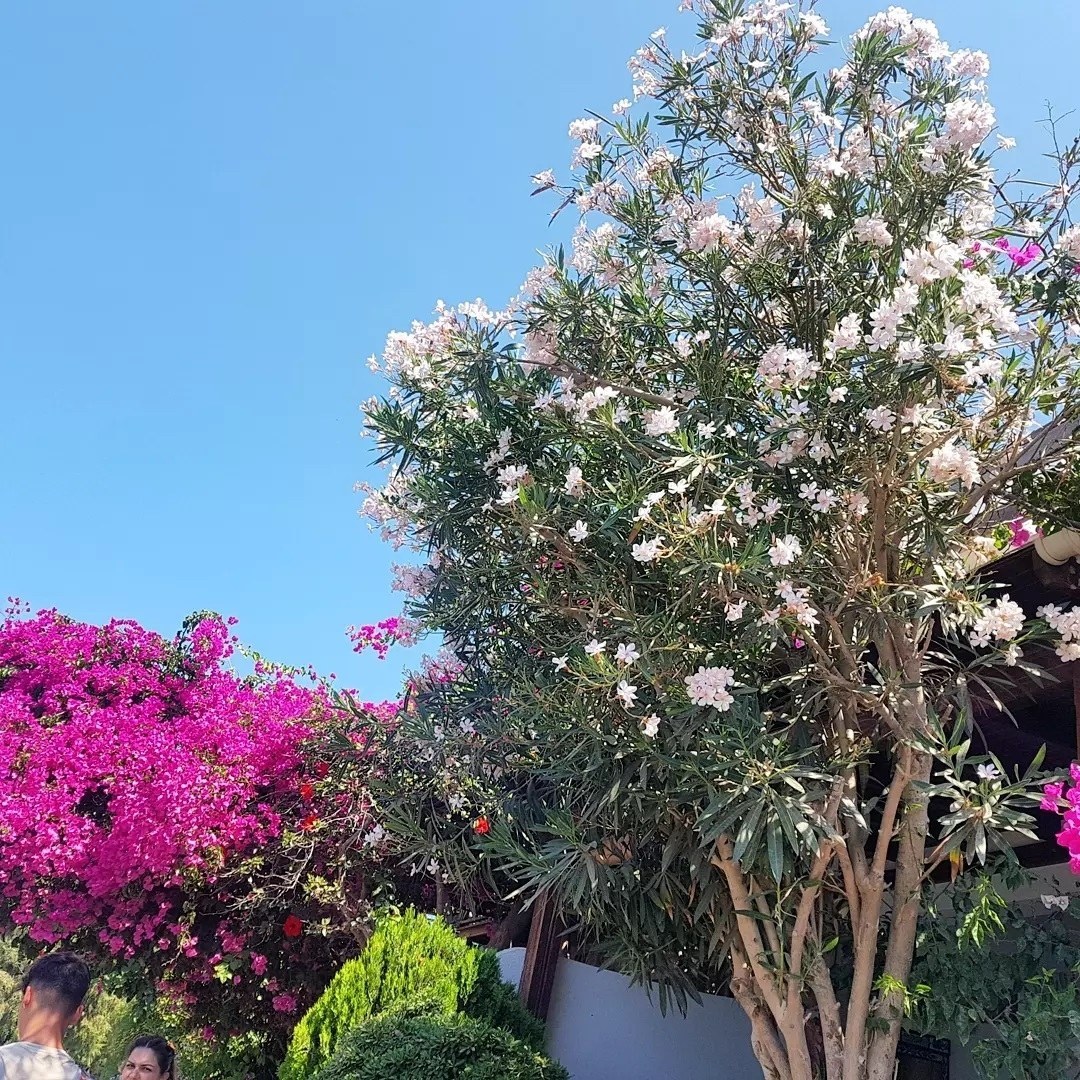
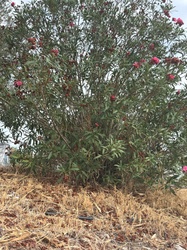
Oleander (Nerium oleander) is a tough, evergreen flowering shrub beloved in warm climates for its long summer display of showy blooms in shades of pink, white, red, and salmon. Exceptionally heat- and drought-tolerant once established, it is an easy, low-maintenance choice for sunny gardens and large containers.
Light
Oleander needs full sun to flower well, ideally six or more hours of direct light daily. In shade it grows leggy and blooms sparsely. Container plants overwintered indoors should be kept in the brightest possible spot and returned to full sun as soon as weather allows.
Water
This is a drought-tolerant shrub with low water needs once established. Water regularly the first season to build a deep root system, then reduce sharply; mature plants tolerate extended dry spells and thrive on lean conditions. Container specimens need more frequent watering but should still dry somewhat between soakings. Avoid constant sogginess, which oleander dislikes despite its tolerance of occasional wet soils.
Soil & Potting
Oleander adapts to almost any well-drained soil, including poor, sandy, rocky, and alkaline ground. It tolerates coastal salt and reflected heat that would stress other shrubs. For containers, use a free-draining loam-based mix and a sturdy pot; drainage matters far more than richness. Overly fertile soil encourages soft growth at the expense of flowers.
Humidity & Temperature
Oleander loves heat and thrives in hot, dry Mediterranean-type climates. It is not reliably cold-hardy; in frost-prone areas grow it in a container and move it to a cool, bright, frost-free space for winter. Established plants may tolerate a light frost, dying back but often resprouting from the base. Humidity is not a concern.
Feeding
Oleander needs little feeding. A single application of a balanced or bloom-oriented fertilizer in spring is generally sufficient for landscape plants. Container specimens benefit from light monthly feeding through the growing season. Avoid excess nitrogen, which drives leafy growth and reduces flowering.
Propagation
Oleander roots very easily from softwood or semi-hardwood cuttings taken in summer. Cuttings will even root in a glass of water. It can also be grown from seed, though seedlings may not resemble the parent. Always wear gloves and wash up after handling and pruning, as the sap can irritate skin.
Repotting / Pruning
Prune in late winter or early spring, or immediately after flowering, to control size and shape and encourage bushy, floriferous growth. Oleander flowers on new wood, so hard renewal pruning is well tolerated. Cutting a portion of old stems to the ground each year keeps large plants rejuvenated. Repot container plants every couple of years into fresh mix, wearing gloves throughout.
Common Problems & Pests
The most conspicuous pest is the bright yellow-orange oleander aphid, which clusters on new growth and buds; blast them off with water or treat with insecticidal soap. Scale and mealybugs can also appear. In some regions oleander leaf scorch, a bacterial disease spread by insects, causes marginal browning and dieback and has no cure. Sooty mold may follow heavy aphid infestations. Leggy, non-flowering plants usually need more sun and harder pruning.
Seasonal Care Tips
In spring, prune for shape, feed once, and resume normal watering as growth restarts. Summer is the long flowering season; enjoy the blooms and provide occasional deep water only in extreme drought. In autumn, reduce watering and, in cold climates, move containers under cover before frost. Overwinter frost-tender plants in a cool, bright, frost-free spot, keeping the soil barely moist until spring.
Frequently asked questions
Why is my oleander not flowering?
The usual causes are too little sun, over-fertilizing with nitrogen, or lack of pruning. Give it full sun, prune to encourage new wood where blooms form, and go easy on feeding.
How do I overwinter oleander in a cold climate?
Grow it in a container and move it before frost into a cool, bright, frost-free space such as a garage window or unheated sunroom. Water sparingly through winter and return it to full sun in spring.
What are the orange bugs on my oleander?
Those are oleander aphids, which cluster on tender new growth and flower buds. Rinse them off with a strong jet of water or treat with insecticidal soap, repeating as needed.
Can I root oleander from cuttings?
Yes, very easily. Take softwood or semi-hardwood cuttings in summer and root them in moist mix or even a glass of water. Wear gloves when handling the plant.
Oleander identified by the community
Recent Oleander specimens identified with Plant Identifier.