How to Care for Olive Tree
A hardy Mediterranean evergreen with silvery foliage and a sculptural form that thrives in full sun with infrequent, deep watering.
Read the full Olive Tree encyclopedia entry →
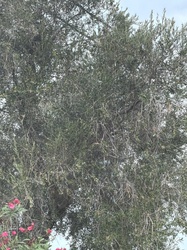
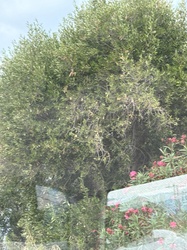
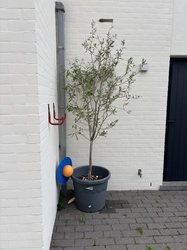
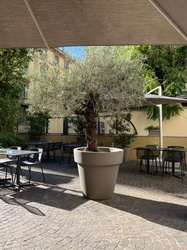
The Olive Tree (Olea europaea) is a long-lived Mediterranean evergreen valued for its silvery-green foliage, gnarled sculptural trunk, and remarkable drought tolerance. It is an easy, resilient tree for sunny gardens and large containers alike.
Light
Olives crave full sun and need at least six to eight hours of direct light daily to stay healthy and dense. Choose the sunniest position available, whether in the garden or on a bright patio. Indoors, they struggle without very strong light, so a large south-facing window or supplemental lighting is essential for potted specimens.
Water
Highly drought-tolerant once established, the olive prefers deep but infrequent watering. Soak the root zone thoroughly, then let the soil dry considerably before watering again. Overwatering is far more damaging than drought and is the leading cause of decline. Container trees need somewhat more regular water than those in the ground, but still favor drying out between soakings.
Soil & Potting
Plant in a gritty, free-draining soil; olives tolerate poor, rocky ground but detest soggy roots. For containers, use a loam-based mix amended with grit or perlite for sharp drainage. A terracotta pot with ample drainage holes suits their preference for dry roots.
Humidity & Temperature
Olives thrive in warm, dry Mediterranean conditions and dislike high humidity. Mature trees tolerate light frost, but young or potted trees should be protected below freezing. A cool winter rest with temperatures around 40 to 50 F (4 to 10 C) actually benefits established trees and encourages spring flowering.
Feeding
Feed lightly in spring and early summer with a balanced fertilizer; olives are not heavy feeders. Excess nitrogen produces lush but weak growth, so moderation is key. A single spring feeding is often sufficient for garden trees, with occasional light feeding for containers.
Propagation
Propagate from semi-hardwood cuttings taken in summer, rooted in gritty mix under humid conditions. Olives can also be grown from seed, though this is slow and variable. Named varieties are typically propagated by cuttings or grafting to preserve their characteristics.
Repotting / Pruning
Repot container olives every two to three years in spring. Prune in late winter or early spring to shape the canopy, remove crossing or dead wood, and open the center to light and air. Olives respond very well to pruning and are popular subjects for topiary and bonsai.
Common Problems & Pests
Root rot from overwatering or poor drainage is the most serious risk. Scale insects and, in some regions, olive-specific pests can appear; treat scale with horticultural oil. Leaf yellowing and drop usually trace back to waterlogged soil or sudden cold rather than pests.
Seasonal Care Tips
Active growth occurs in the warm months, the time to feed and lightly water. In winter, keep the tree cool and on the dry side, which suits its natural rhythm. Move tender potted trees to a sheltered, bright, frost-free spot during the coldest weeks.
Frequently asked questions
How often should I water an olive tree?
Water deeply but infrequently, letting the soil dry considerably between soakings. Established olives are very drought-tolerant and suffer more from overwatering than drought.
Can I grow an olive tree indoors?
It is possible but challenging, since olives need very strong light. Place it at a bright south-facing window with supplemental lighting and a cool winter rest.
How hardy is an olive tree?
Mature garden olives tolerate light frost, but young and potted trees should be protected below freezing. Bring container trees to a sheltered, frost-free spot in winter.
When should I prune my olive tree?
Prune in late winter or early spring, removing dead or crossing wood and opening the canopy. Olives tolerate pruning well and are often shaped as topiary or bonsai.
Olive Tree identified by the community
Recent Olive Tree specimens identified with Plant Identifier.