Olive Tree Identification Guide
Identify the olive tree by its silvery lance-shaped leaves, gnarled trunk, and small green-to-black drupes. Includes tips for separating it from Russian olive and other silver-leaved look-alikes.
Read the full Olive Tree encyclopedia entry →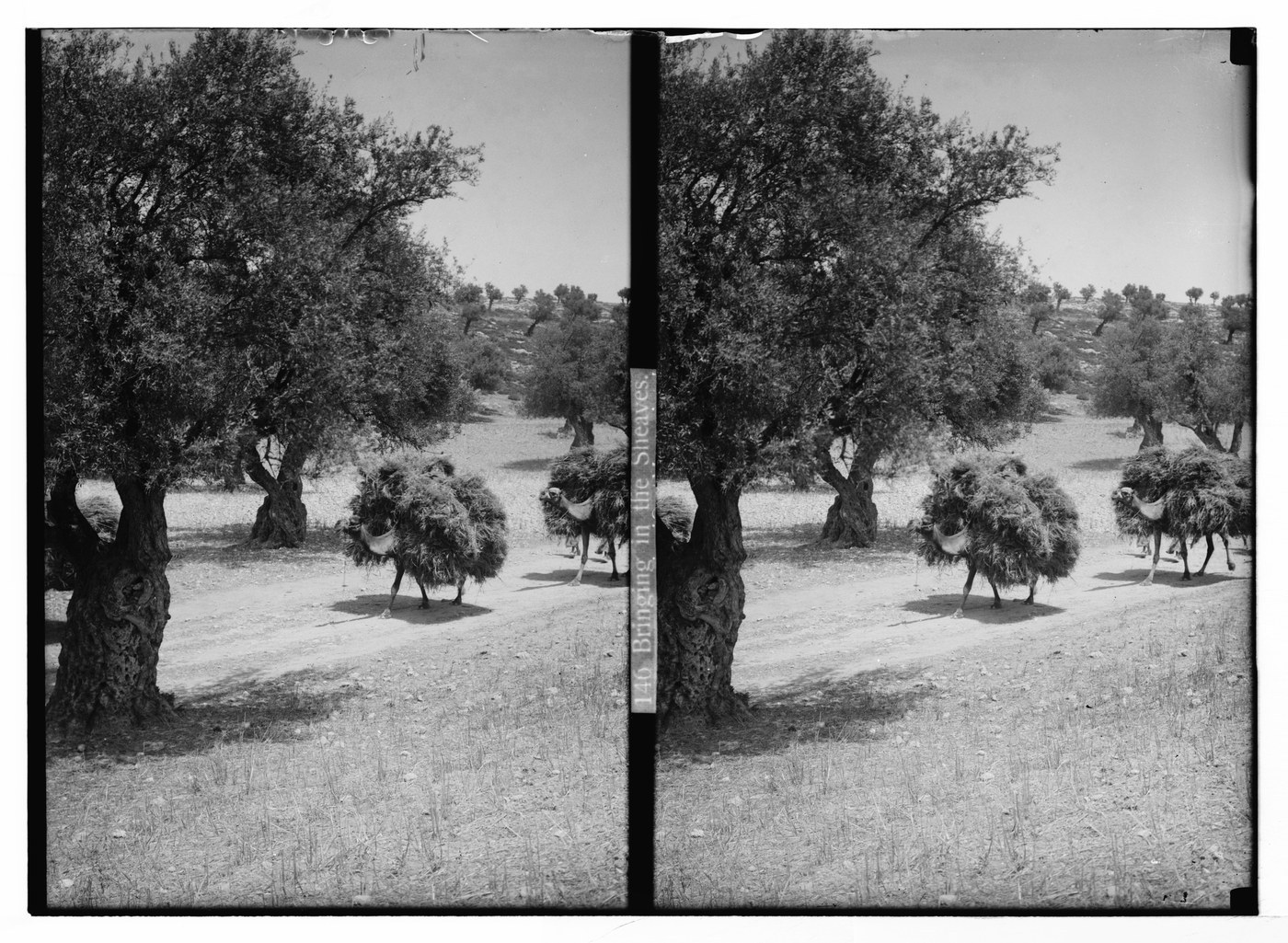
Key Identifying Features
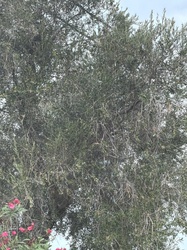
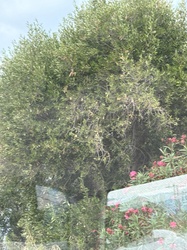
The olive (Olea europaea) is a long-lived evergreen tree of the Mediterranean. The single most diagnostic feature is its narrow leaf that is glossy grey-green above and distinctly silvery-white underneath, set in opposite pairs along the twig. Add a short, twisted, often hollow or gnarled trunk and small oval olive drupes, and identification is straightforward.
- Opposite, leathery, lance-shaped leaves, green above, silver-scaly beneath
- Gnarled, fissured grey trunk that becomes contorted with age
- Small, hard-pitted drupes ripening green to purple-black
- Tiny cream four-petaled flowers in feathery sprays
Leaves & Stems
Olive leaves are 3 to 8 cm long, stiff, and untoothed (entire) with a slightly inrolled margin. They are arranged oppositely, which immediately separates olive from many silver-leaved willows and Russian olive (which are alternate). The silvery underside is caused by tiny shield-shaped scale hairs (peltate trichomes) that reflect light and reduce water loss. Young stems are angular and grey-green; older bark is grey and develops deep cracks and burls.
Flowers & Fruit
In late spring, olive trees produce small, fragrant, creamy-white flowers, each with four petals, borne in loose branched clusters arising from leaf axils. Most flowers are wind-pollinated and many drop without setting fruit. The fruit is a drupe: oval, 1 to 4 cm, with a single hard stone. Olives start green and ripen through reddish-purple to black. Wild and ornamental forms may bear smaller, more numerous fruit.
How to Tell It Apart from Look-Alikes
- Russian olive (Elaeagnus angustifolia): leaves are alternate and silvery on both sides, twigs often thorny, and the fruit is a dry mealy berry, not a fleshy drupe.
- Willow (Salix): similar narrow grey leaves but alternate, with toothed margins and catkin flowers; no olive drupes.
- Bay laurel: leaves are wider, aromatic when crushed, and green on both sides; olive leaves are not strongly aromatic.
The opposite leaf arrangement plus silver-only-underside is the cleanest way to separate olive from Russian olive.
Where You'll Find It
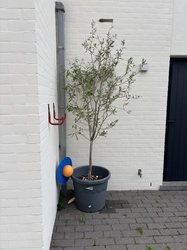
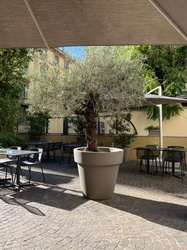
Olive trees are emblematic of the Mediterranean: Spain, Italy, Greece, the Levant, and North Africa, plus warm-summer regions like California, Australia, and Chile. They favor full sun, well-drained rocky soils, and tolerate drought and salt. Look for them in groves, on terraced hillsides, and as drought-tolerant ornamental and street trees. Ancient specimens with massively contorted trunks can be over a thousand years old.
Quick ID Checklist
- Leaves opposite, narrow, leathery, untoothed
- Underside silvery-white, top grey-green
- Trunk short, twisted, fissured grey
- Small cream four-petaled flowers in spring sprays
- Oval single-stoned drupes, green to black
- Evergreen, sun-loving, dry Mediterranean-type setting
Frequently asked questions
How do I tell an olive tree from a Russian olive?
Check leaf arrangement: true olive has opposite leaves that are silver only underneath. Russian olive has alternate leaves that are silvery on both sides, often with thorns and dry mealy fruit.
Why are olive leaves silver underneath?
The undersides are covered in tiny shield-shaped scale hairs that reflect sunlight and slow water loss, helping the tree survive hot, dry Mediterranean summers.
Are olive trees evergreen?
Yes. Olives keep their leathery grey-green leaves year-round, gradually replacing them, so a healthy tree never goes fully bare.
What does an old olive trunk look like?
Old olive trees develop short, massively twisted and fissured grey trunks, often hollow or burled, that become more contorted with age and can be over a thousand years old.
Olive Tree identified by the community
Recent Olive Tree specimens identified with Plant Identifier.