
Onion Identification Guide
Identify the onion plant (Allium cepa) by its hollow tubular blue-green leaves, pungent smell, swollen layered bulb, and globe-shaped flower head. Covers how to distinguish it from related alliums.
Read the full Onion encyclopedia entry →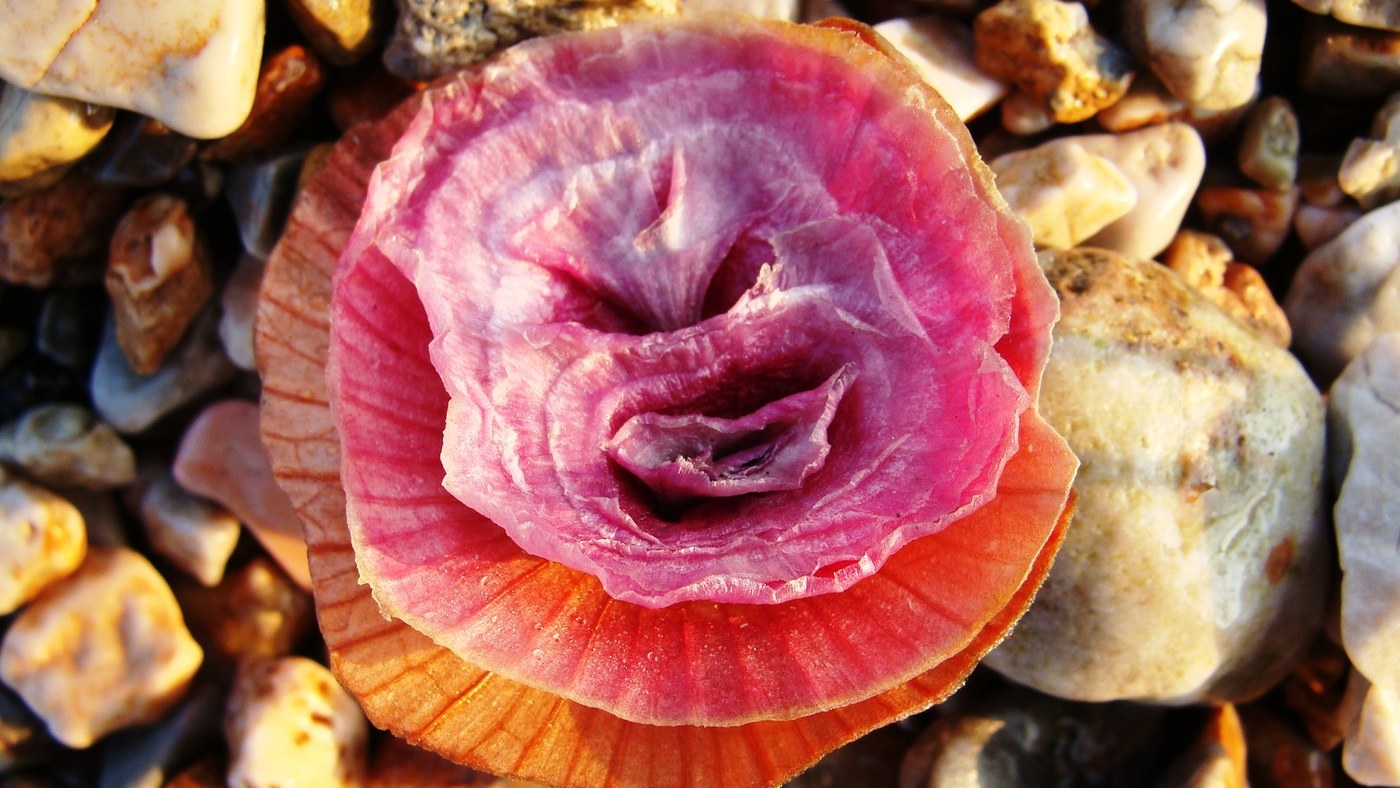
Key Identifying Features
The onion (Allium cepa) is a bulb-forming member of the Allium genus (family Amaryllidaceae). It's one of the easiest plants to identify by smell. Look for:
- Hollow, tubular (round in cross-section) blue-green leaves rising in a fan
- A strong, distinctive onion/sulfur smell when any part is crushed
- A swollen, layered bulb at the base, just above the roots
- A spherical flower head of many tiny star-shaped flowers on a tall hollow stalk
Leaves & Stems
The leaves are diagnostic: long, upright, hollow tubes, circular in cross-section, with a waxy blue-green to gray-green coating that rubs off. They emerge in a flattened fan from the bulb, each sheathing the next at the base. Crushing a leaf releases the sharp, eye-watering onion aroma caused by sulfur compounds — the single most reliable ID feature. The 'stem' you see is actually a false stem of rolled leaf bases; the true stem is the compressed base plate of the bulb. The bulb itself is a swollen storage organ of concentric fleshy leaf-scale layers wrapped in papery skin — the familiar onion shape.
Flowers & Fruit
In its second year (or when bolting), the onion sends up a tall, hollow, often swollen flower stalk (scape) topped by a round, dense umbel — the globe-shaped head packed with dozens to hundreds of small, six-petaled, white to greenish star flowers. After flowering, it forms small black seeds in three-parted capsules. The spherical bloom is a hallmark of cultivated onions, though gardeners often harvest before flowering.
How to Tell It Apart from Look-Alikes
- Garlic (Allium sativum): flat, folded (not hollow round) leaves and a bulb divided into cloves, with a garlicky smell.
- Leek (Allium porrum): broad, flat, V-shaped leaves and a long thick white shaft with no bulbous swelling.
- Chives (Allium schoenoprasum): much smaller, slender hollow leaves and pink-purple flower heads.
- Spring onion / scallion: the same species (A. cepa) harvested young before the bulb swells.
- Daffodil and similar bulb leaves: these lack the onion smell, so crushing and smelling reliably separates them since look-alike bulb leaves are odorless.
The hollow round leaves + onion smell + layered bulb + globe flower confirm onion.
Where You'll Find It
Grown worldwide in vegetable gardens, allotments, and farms as a cool-season crop, planted from seed, sets (small bulbs), or transplants in rows. Onions need full sun and well-drained soil; the bulb swells as days lengthen. You'll also find escaped or perennializing alliums in old gardens.
Quick ID Checklist
- Hollow, tubular, blue-green leaves in a fan
- Strong onion smell when crushed (always check this)
- Swollen, layered bulb with papery skin
- Globe-shaped flower head of tiny white star flowers
- Hollow flower scape, often swollen midway
- Cool-season vegetable grown in rows
Frequently asked questions
What's the surest way to identify an onion plant?
Crush a leaf and smell it — the sharp, eye-watering onion odor is unmistakable. Combined with hollow, round blue-green leaves and a layered bulb at the base, that confirms it.
How do I tell an onion from garlic or a leek?
Onion leaves are hollow and round in cross-section with a swollen single bulb. Garlic has flat, folded leaves and a bulb split into cloves; leeks have broad, flat V-shaped leaves and a long shaft with no bulb.
Is a scallion a different plant from an onion?
Usually no. Scallions (green/spring onions) are typically Allium cepa harvested young before the bulb swells, or closely related bunching onions. The plant is the same; the harvest stage differs.
What is the round ball of flowers on top?
It is the onion's flower head — a spherical umbel of many tiny white star-shaped flowers on a tall hollow stalk. It appears when the plant bolts and later produces small black seeds.