Onion
Allium cepa
The onion is a globally cultivated plant grown for its layered underground bulb. A biennial usually grown as an annual, it is one of the world's most widely grown garden plants.
- Light
- Full sun
- Water
- Even, moderate moisture
- Difficulty
- Easy
Got a plant like this?
Identify any plant from a photo, free.
Overview
Allium cepa is a bulb-forming member of the amaryllis family (subfamily Allioideae), grown for its bulb and, in some types, its green leaves (scallions).
The bulb is made of concentric fleshy leaf bases that store nutrients for the plant. Bulb formation is triggered by day length, so onions are sold as short-day, intermediate, and long-day types matched to latitude.
Grown for thousands of years, the onion is one of the most widely cultivated plants on the planet.
How to identify it
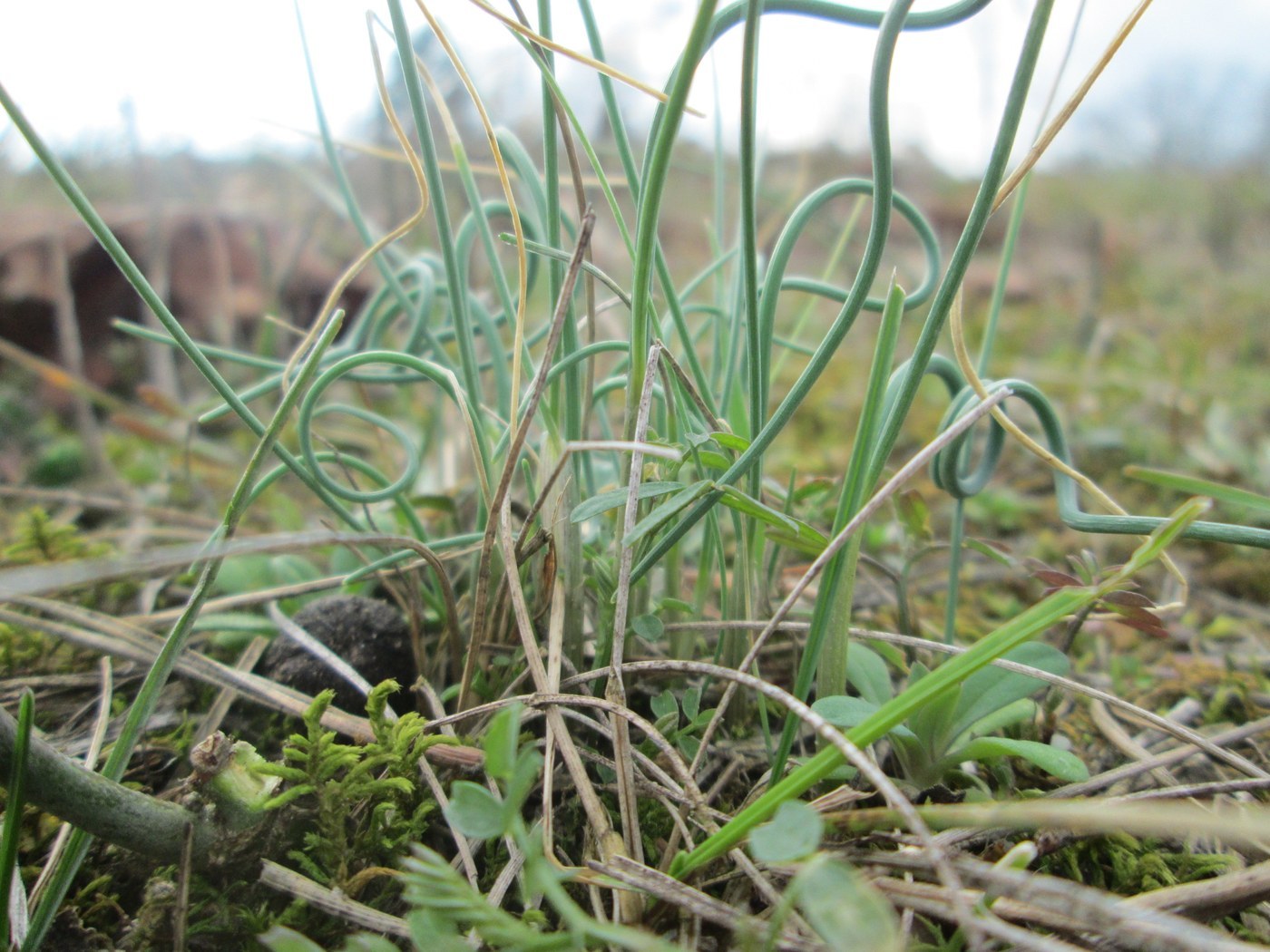
- Hollow, cylindrical, blue-green leaves rising from the base
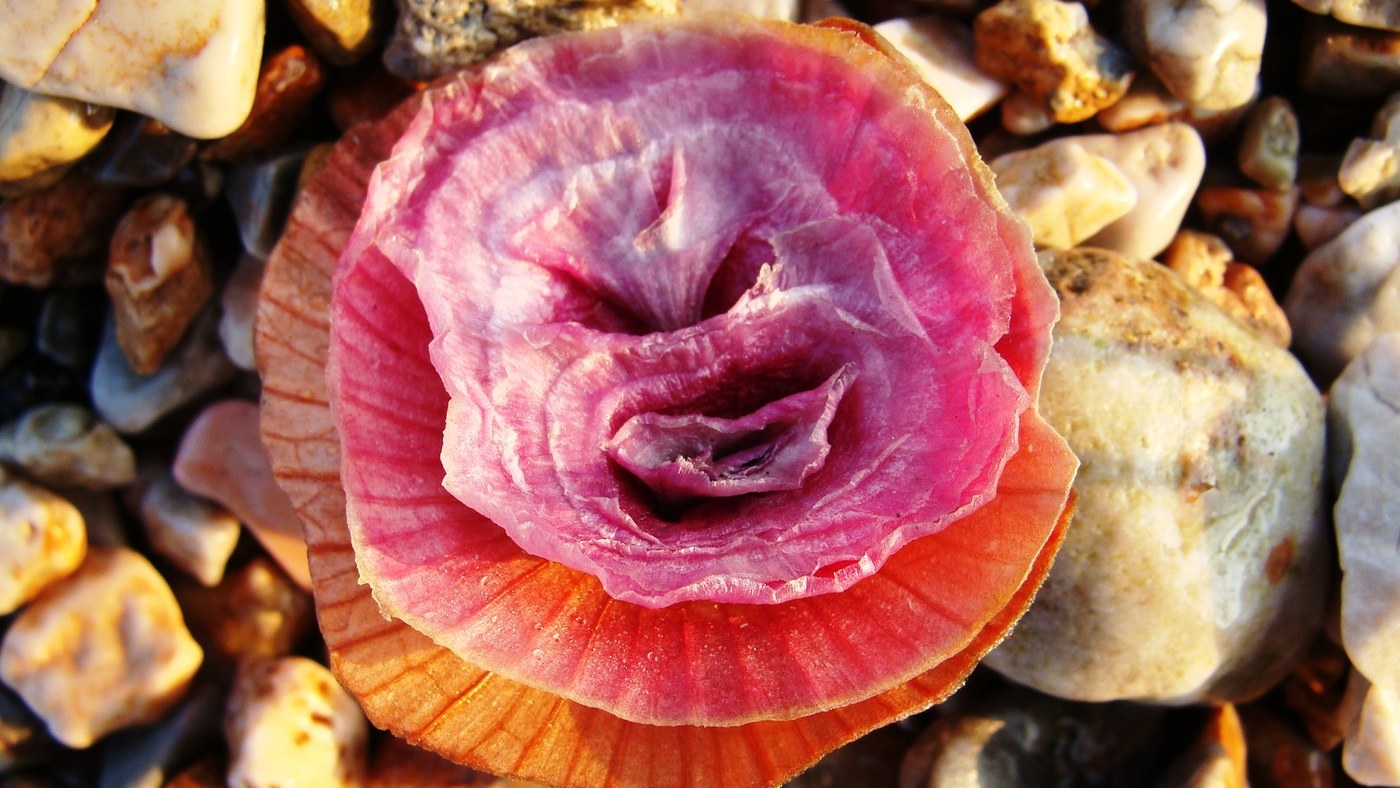
- A swollen underground bulb of concentric fleshy layers, with papery outer skin in white, yellow, or red
- Globe-shaped umbel of small white-to-greenish flowers on a tall hollow stalk in its second year
- Shallow, fibrous root system
- Strong, characteristic aroma when cut
Care & growing
Light: Full sun.
Water: Even, moderate watering; consistent moisture grows larger bulbs, but reduce water as bulbs mature and tops fall over.
Soil: Loose, fertile, well-draining soil with a near-neutral pH.
Temperature: Cool-season crop; choose short-, intermediate-, or long-day varieties to match your latitude for proper bulbing.
Feeding: Feed with nitrogen early for leaf growth, then taper off as bulbs swell.
Propagation: Grow from seed, sets (small bulbs), or transplants.
Habitat & origin
The onion is not known in the wild; it has been cultivated for over 5,000 years and likely originated in Central Asia. It was prized by ancient Egyptians, Greeks, and Romans.
Today it is grown in nearly every country with a suitable climate, in gardens and on a vast commercial scale, making it one of the world's most widely grown crops.
Frequently asked questions
What are short-day and long-day onions?
They bulb in response to day length; choose short-day for southern (lower) latitudes and long-day for northern (higher) latitudes for proper bulbing.
How can I recognize an onion plant?
Look for hollow, cylindrical blue-green leaves rising from a swollen underground bulb made of concentric fleshy layers with a papery outer skin.
When do onion bulbs reach full size?
As the bulbs mature late in the season the green tops yellow and flop over, signaling the plant has finished bulbing.
What do onion flowers look like?
In its second year an onion sends up a tall hollow stalk topped by a globe-shaped umbel of small white-to-greenish flowers.
Onion guides
In-depth guides for identifying, growing, and caring for Onion.
How to Care for Onion
Grow onions in full sun with steady moisture and loose, fertile soil for strong bulb and foliage development in the garden.
Onion Identification Guide
Identify the onion plant (Allium cepa) by its hollow tubular blue-green leaves, pungent smell, swollen layered bulb, and globe-shaped flower head. Covers how to distinguish it from related alliums.