How to Care for Oregano
Grow-care guide for Oregano (Origanum vulgare): a tough, sun-loving perennial herb that thrives on lean soil and infrequent watering.
Read the full Oregano encyclopedia entry →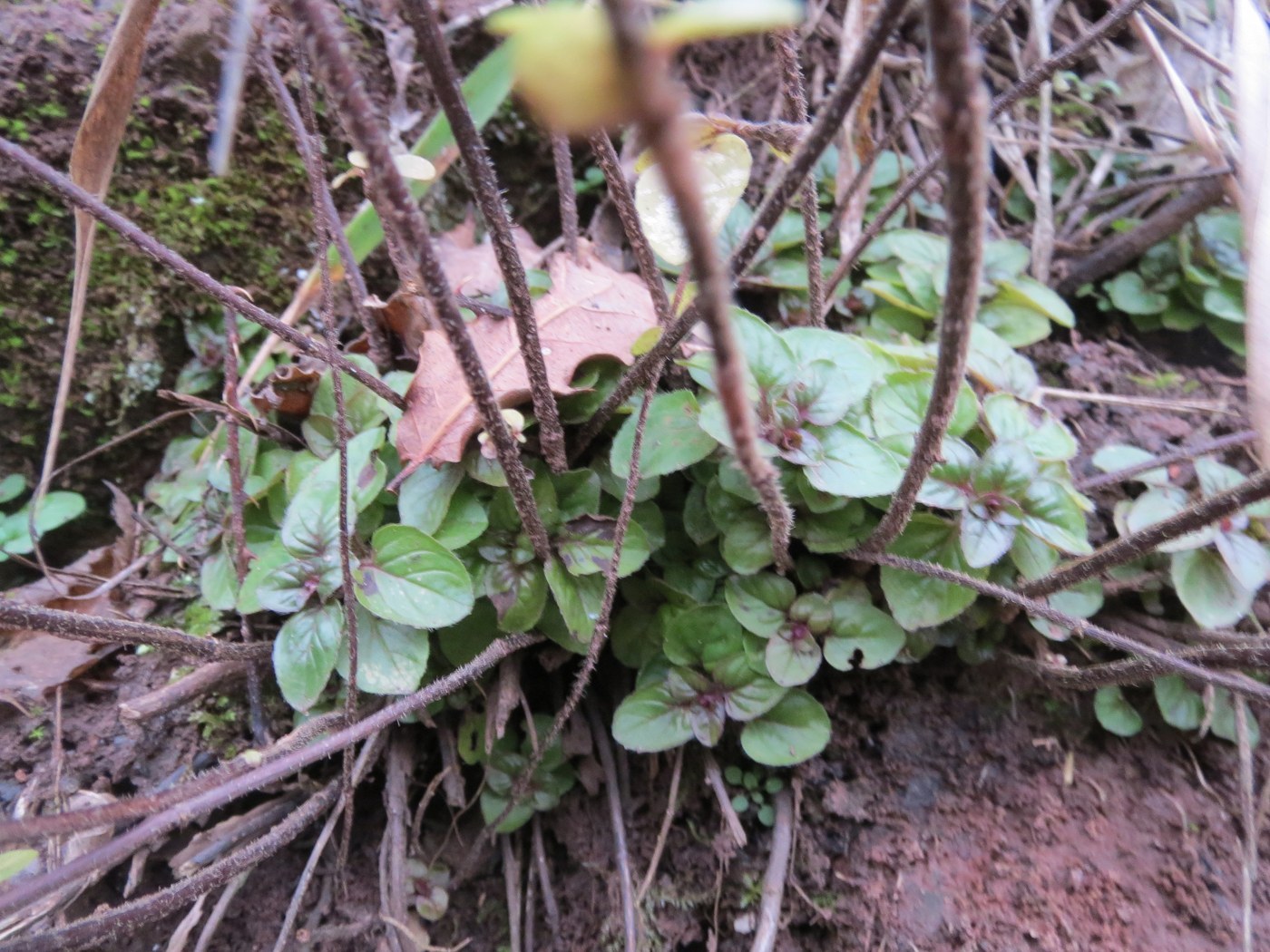
Oregano is a hardy, spreading perennial in the mint family, grown for its aromatic foliage and clouds of tiny pink-to-white summer flowers that pollinators adore. It is one of the easiest plants to grow, thriving on neglect in hot, sunny, well-drained spots where fussier plants struggle.
Light
Oregano demands full sun, at least six to eight hours daily, to develop compact growth and its characteristic aromatic oils. The more sun it receives, the more fragrant and sturdy the plant. In too much shade it becomes leggy, sprawling, and weak, with diminished scent. In hot climates it accepts a touch of afternoon shade but still wants a bright position.
Water
Water low to moderately, letting the soil dry between waterings. Oregano is drought tolerant once established and far prefers dry conditions to wet ones. Deep but infrequent watering encourages a strong root system; frequent shallow watering and soggy soil are the fastest way to kill it. Container plants need slightly more attention but should still dry out between drinks.
Soil & Potting
Grow oregano in light, well-drained, even lean soil. Rich, heavily amended soil produces lush but less aromatic and floppier growth, so avoid overly fertile beds. Sandy or gravelly soils with a neutral to slightly alkaline pH are ideal, and sharp drainage is essential. In containers, use a free-draining mix and always choose a pot with drainage holes.
Humidity & Temperature
Oregano loves warm, dry, Mediterranean-style conditions and dislikes high humidity, which invites fungal problems. It is quite cold hardy as a perennial and dies back in winter in colder zones before returning in spring. Good air circulation keeps foliage dry and healthy. Provide space between plants rather than crowding them, especially in humid climates.
Feeding
Oregano needs very little feeding. Heavy fertilizing actually reduces the concentration of aromatic oils and encourages weak, sprawling growth. A light application of compost in spring, or a single diluted feed early in the season, is more than enough. On lean soils it thrives with essentially no supplemental fertilizer.
Propagation
Propagate oregano readily by division, cuttings, or seed. Divide established clumps in spring or fall, replanting the vigorous outer sections. Softwood cuttings root easily in a light medium. Seed can be surface-sown in warmth, though named types are best propagated vegetatively to stay true. Layering also works, since sprawling stems often root where they touch the soil.
Repotting / Pruning
Repot container oregano every year or two into fresh mix, dividing crowded clumps at the same time. Prune regularly by trimming the stems to keep the plant bushy and prevent it from becoming woody and sparse. Cutting it back after flowering, and again as needed through the season, promotes fresh, dense growth. In cold regions, cut back and mulch lightly for winter.
Common Problems & Pests
Oregano is largely pest-free thanks to its aromatic foliage. In damp, crowded, or poorly drained conditions it can develop root rot, powdery mildew, or rust, so prioritize sun, airflow, and dry feet. Occasional aphids or spider mites may appear on stressed plants and can be rinsed off or treated with insecticidal soap. Overwatering is by far the most common cause of failure.
Seasonal Care Tips
Plant in spring after frost in a hot, sunny, well-drained spot. Through summer, trim regularly to keep growth dense and shear back after flowering for a tidy rebound. Reduce watering in fall as growth slows. In cold zones the plant dies back for winter; a light mulch protects the crown, and vigorous new shoots return in spring. Divide overgrown clumps every few years to keep them productive.
Frequently asked questions
How often should I water oregano?
Water sparingly, letting the soil dry between waterings. Oregano is drought tolerant and prefers dry conditions, so deep but infrequent watering is best. Overwatering and soggy soil are the most common causes of decline.
Why is my oregano leggy and sprawling?
Legginess usually means too little sun or overly rich soil. Move it to full sun, grow it in leaner, well-drained soil, and trim it back regularly to encourage compact, bushy growth.
Does oregano come back every year?
Yes, oregano is a hardy perennial in most climates. It dies back in winter in colder zones and re-sprouts from the crown in spring. A light mulch helps protect it through hard freezes.
Should I let oregano flower?
The flowers are attractive to pollinators, but shearing the plant back around flowering keeps growth dense and the foliage fresh. Many growers trim after the first flush to encourage a tidy second wave of growth.
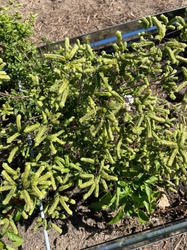
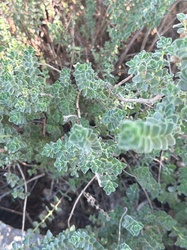
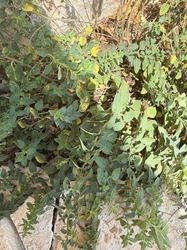
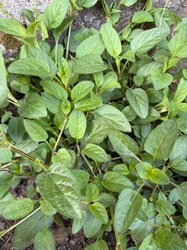
Oregano identified by the community
Recent Oregano specimens identified with Plant Identifier.