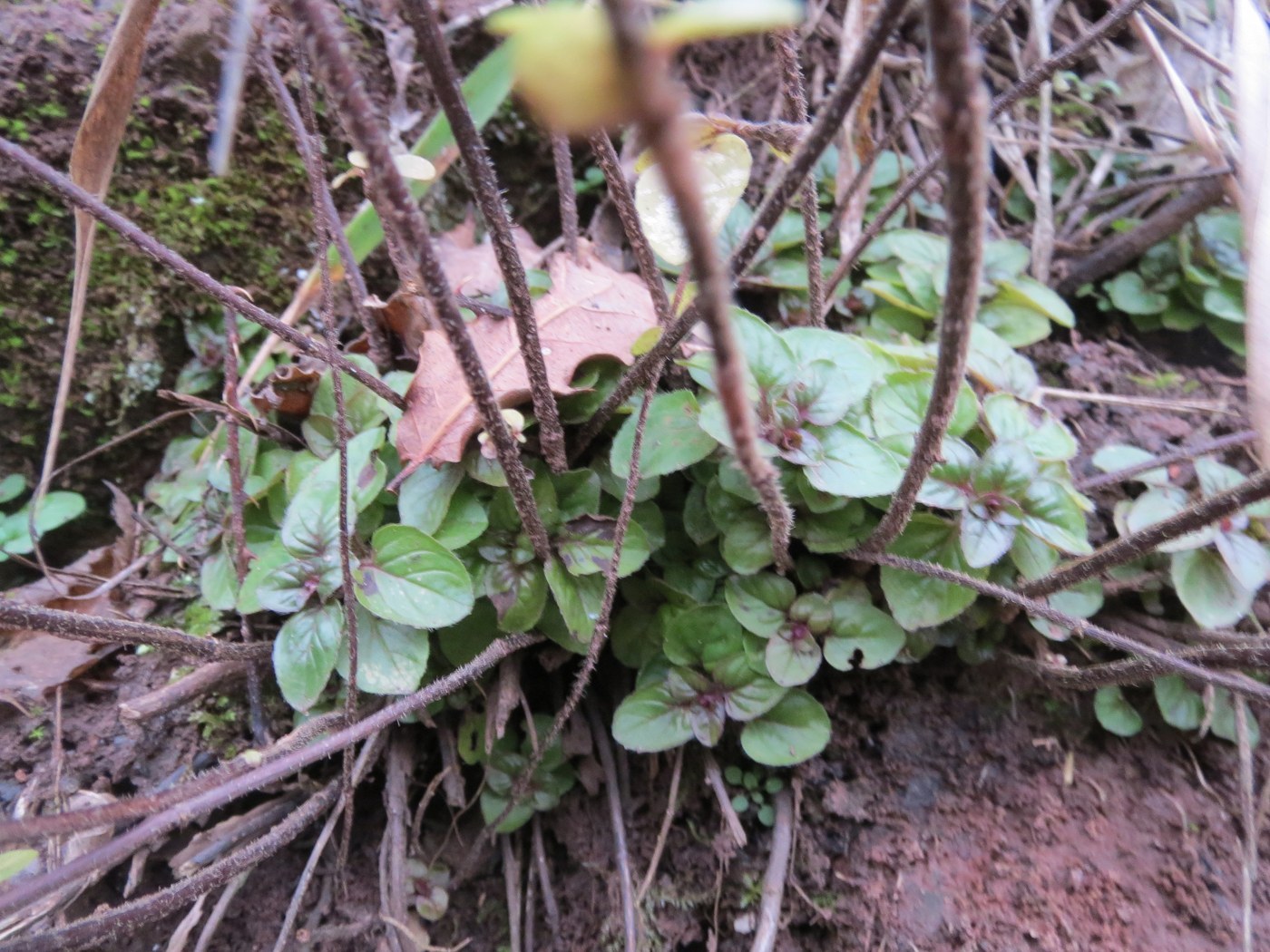
Oregano
Origanum vulgare
A hardy, sun-loving Mediterranean herb with small aromatic leaves, valued as a drought-tolerant ground cover and bee plant and grown widely in gardens.
- Light
- Full sun
- Water
- Low to moderate; let soil dry between waterings
- Difficulty
- Easy
Got a plant like this?
Identify any plant from a photo, free.
Overview
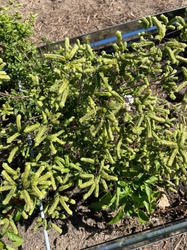
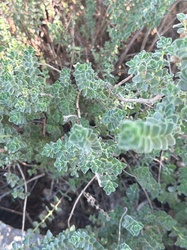
Oregano is a spreading perennial herb in the mint family, native to the Mediterranean and temperate Eurasia. An aromatic herb long grown in gardens, it forms low, spreading mats of small gray-green leaves.
Tough and drought-tolerant, oregano thrives in poor, sunny, well-drained soil and spreads to form low mats. The closely related sweet marjoram is more delicate, while Greek oregano is the most aromatic type.
How to identify it
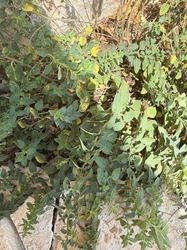
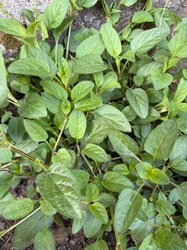
A low, spreading perennial herb with aromatic leaves.
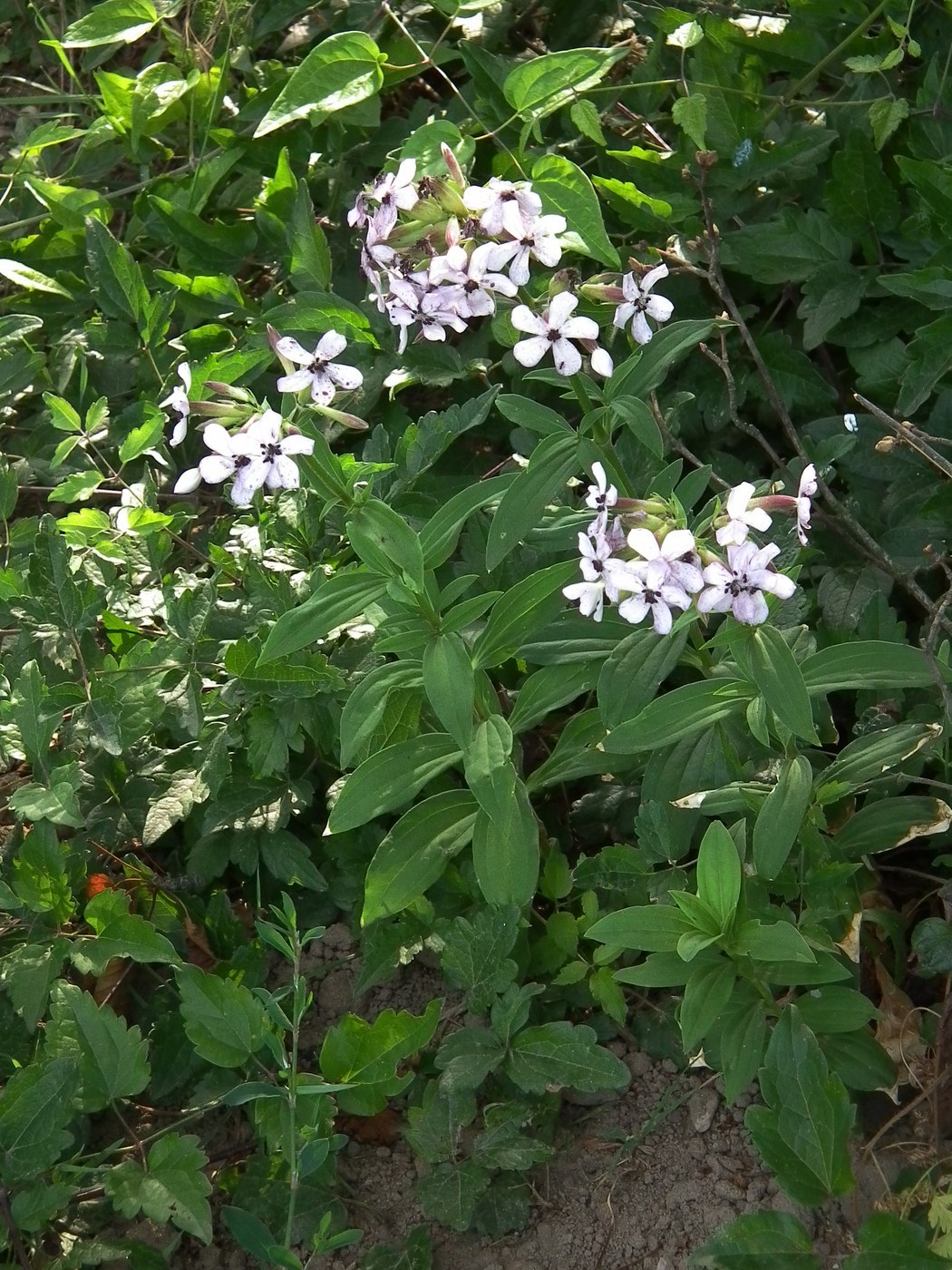
- Leaves: small, oval, soft, gray-green to deep green, in opposite pairs, aromatic when crushed
- Stems: square, branching, and woody at the base, often reddish
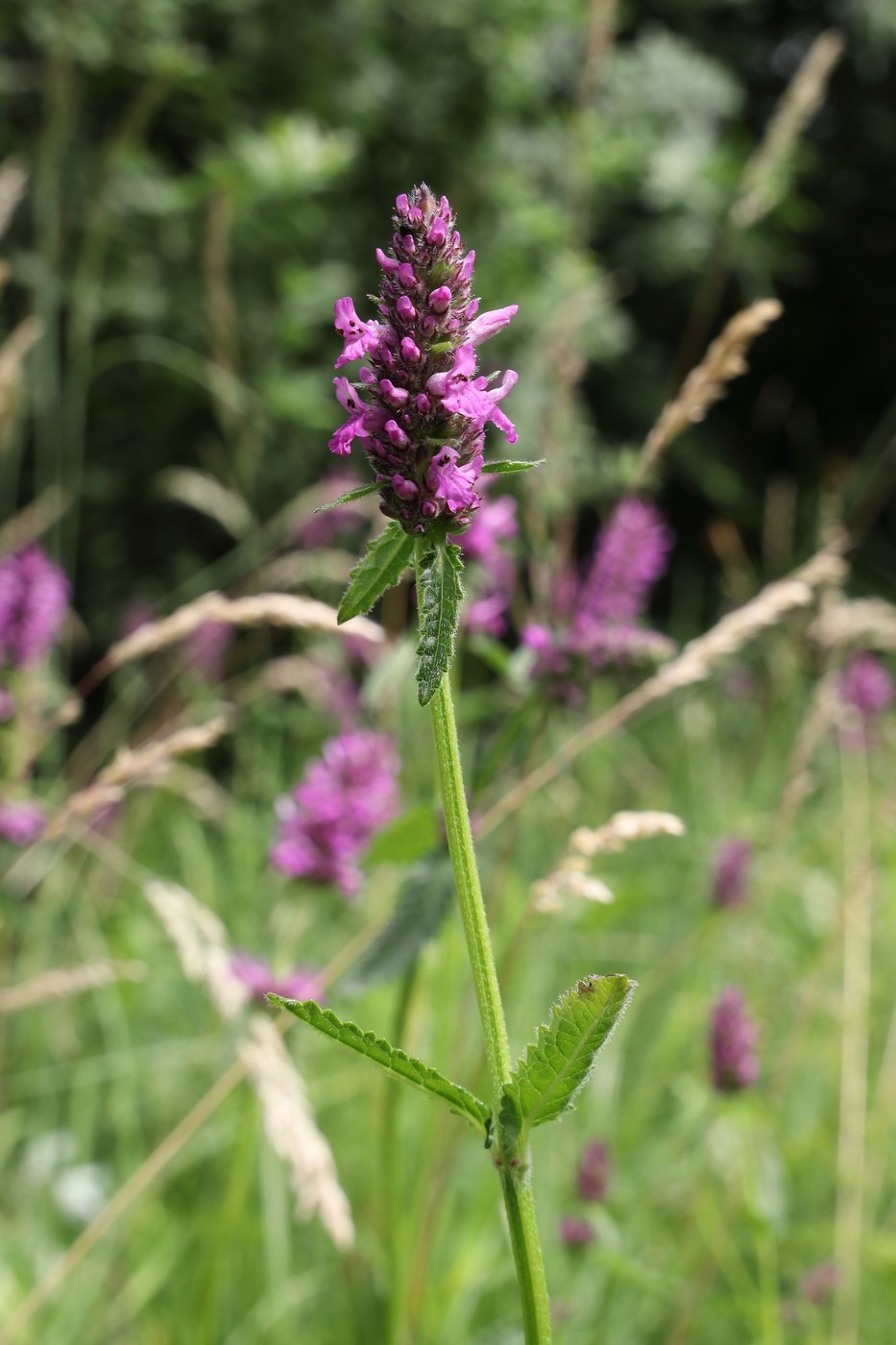
- Flowers: clusters of tiny pink, purple, or white blooms with showy bracts in summer
- Habit: spreading and bushy, 20-60 cm tall, forming clumps
- Aroma: warm and pungent; strongest in Greek oregano
Care & growing
- Light: full sun for the most compact, aromatic growth
- Water: drought tolerant; let the soil dry between waterings and avoid soggy roots
- Soil: light, well-drained, even poor soil; sharp drainage is key
- Temperature: hardy and adaptable; tolerates frost and dies back in cold winters to return in spring
- Feeding: minimal; lean soil produces the most aromatic leaves
- Propagation: from seed, division, or cuttings; trim after flowering to keep it compact
Habitat & origin
Origanum vulgare is native to the Mediterranean region and temperate western and southwestern Eurasia, where it grows wild on dry, sunny hillsides and scrubland.
It has naturalized in parts of North America and is grown worldwide in herb gardens. It thrives in hot, dry, well-drained sites and is well suited to Mediterranean and water-wise plantings.
Frequently asked questions
What is the difference between oregano and marjoram?
They are closely related Origanum species; oregano has a stronger, more pungent aroma, while sweet marjoram is more delicate and softer-scented.
How can I recognize an oregano plant?
Look for small oval gray-green leaves in opposite pairs on square, branching stems that are woody at the base, forming a low spreading mat.
Does oregano come back every year?
Yes. It is a hardy perennial that dies back in cold winters and regrows from the roots in spring.
Does oregano need a lot of water?
No. It is drought tolerant and prefers to dry out between waterings; sharp drainage and lean, sunny conditions suit it best.
Oregano guides
In-depth guides for identifying, growing, and caring for Oregano.
How to Care for Oregano
Grow-care guide for Oregano (Origanum vulgare): a tough, sun-loving perennial herb that thrives on lean soil and infrequent watering.
Oregano Identification Guide
Recognize oregano by its small oval aromatic leaves, square stems, bushy spreading habit and clusters of tiny pink-white flowers with purple bracts. This guide details its traits.
Oregano identified by the community
Real specimens identified with Plant Identifier.