Oregano Identification Guide
Recognize oregano by its small oval aromatic leaves, square stems, bushy spreading habit and clusters of tiny pink-white flowers with purple bracts. This guide details its traits.
Read the full Oregano encyclopedia entry →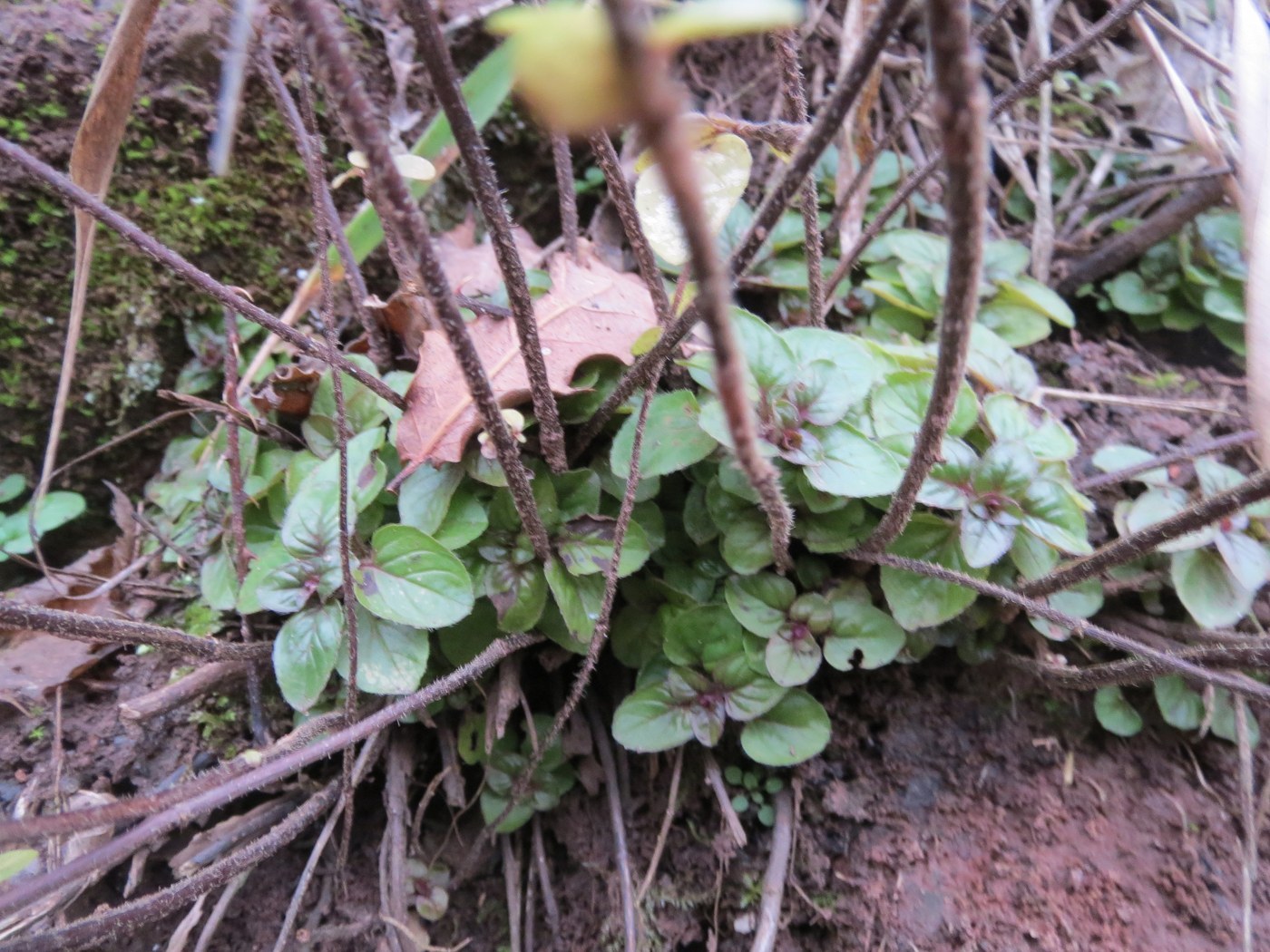
Key Identifying Features
Oregano (Origanum vulgare, and Greek oregano O. vulgare subsp. hirtum) is a spreading perennial herb in the mint family with a pungent, peppery aroma.
- Aroma: crushing a leaf gives a warm, pungent, peppery-spicy scent (key ID trait; Greek oregano is the strongest)
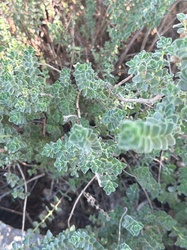
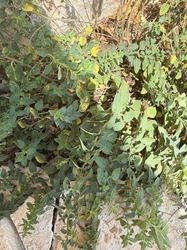
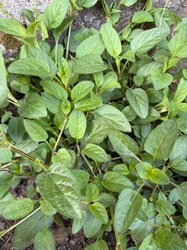
- Leaves: opposite, small oval, 1-4 cm, often softly hairy, entire or faintly toothed
- Stems: square (four-angled), often reddish-purple, branching and somewhat woody at the base
- Flowers: tiny two-lipped white to pink-purple flowers in dense clusters, with showy purple-tinged bracts
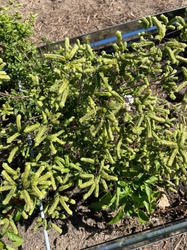
- Habit: bushy, spreading perennial, 20-80 cm
Leaves & Stems
Leaves are opposite, oval to slightly heart-shaped at the base, with smooth or barely toothed margins, gray-green to deep green, and often covered in fine hairs. They are borne on short stalks. The square, frequently purple-flushed stems spread by rhizomes to form clumps, and become woody at the base over time. The plant has a slightly sprawling, bushy form.
Flowers & Fruit
Flowers cluster in rounded, branched heads (corymb-like cymes) at the stem tips. Each tiny flower is two-lipped, white to pink or purple, and nestled among conspicuous purplish bracts that give the flower heads a colorful, slightly papery look. Blooming in summer, they are very attractive to bees and butterflies. After flowering, four tiny nutlets form. The combination of bracted flower clusters and pungent leaves is diagnostic.
How to Tell It Apart from Look-Alikes
- Sweet marjoram (Origanum majorana): a close relative with a milder, sweeter scent and small knot-like flower clusters
- Thyme (Thymus): much smaller leaves and a thymol scent, lower mat habit
- Mint (Mentha): menthol scent, more toothed wrinkled leaves, spreads by runners
- Marjoram vs oregano: scent is the key — oregano has a sharply pungent aroma, marjoram a milder, sweeter one
The pungent peppery scent + opposite small oval hairy leaves + square purple-tinged stems + bracted pink-white flower clusters confirm oregano.
Where You'll Find It
Native to the Mediterranean and Eurasia, oregano grows wild on dry, sunny slopes, rocky banks, scrub and grassland, and is cultivated worldwide in gardens, borders and containers. It thrives in full sun and well-drained soil, tolerating drought, and flowers through summer.
Quick ID Checklist
- Pungent, peppery-spicy aroma when crushed
- Opposite, small oval, often hairy leaves
- Square (four-angled), often purple stems
- Bushy spreading perennial habit
- Tiny two-lipped white/pink flowers with purple bracts
- Dry, sunny, well-drained sites; loved by bees
Frequently asked questions
How do I tell oregano from marjoram?
They are close relatives, but oregano has a sharp, pungent, peppery aroma while sweet marjoram is milder and sweeter with small knot-like flower clusters; scent is the surest test.
What confirms oregano is in the mint family?
Its square (four-angled) stems and opposite leaves are classic mint-family traits, supported by the two-lipped flowers and aromatic foliage.
What do oregano flowers look like?
Tiny two-lipped white to pink-purple flowers cluster in rounded heads among conspicuous purplish bracts, blooming in summer and attracting bees and butterflies.
How is oregano different from thyme?
Oregano has larger oval leaves and a peppery aroma on a bushy upright plant, while thyme has much smaller gray-green leaves, a thymol scent and a low mat-forming habit.
Oregano identified by the community
Recent Oregano specimens identified with Plant Identifier.