
How to Care for Oregon Grape
Oregon grape is an easy evergreen shrub for shade, offering glossy holly-like leaves, yellow spring flowers, and low-water resilience.
Read the full Oregon Grape encyclopedia entry →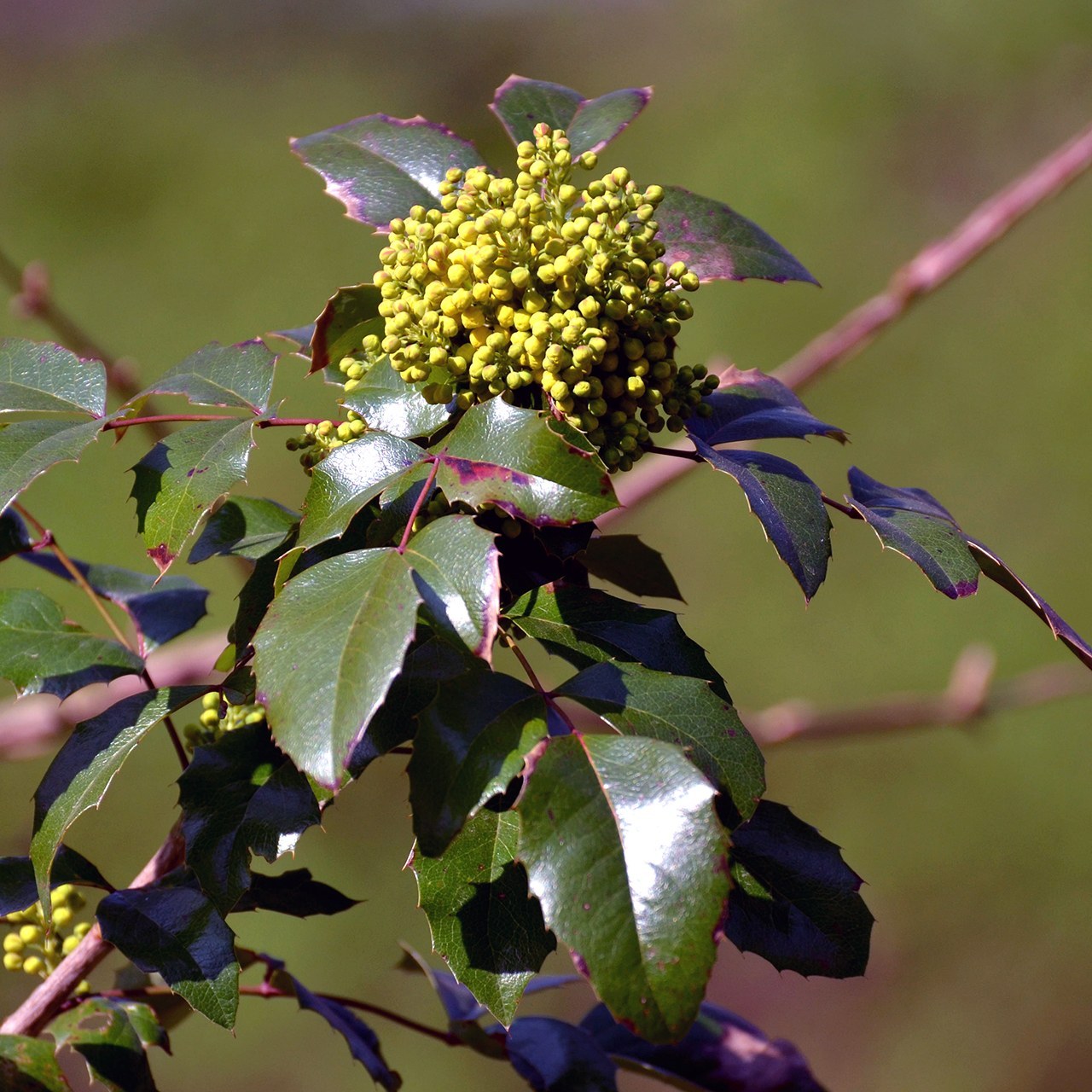
Oregon grape (Mahonia aquifolium) is a handsome, low-maintenance evergreen shrub with glossy, holly-like foliage, cheerful yellow spring flowers, and clusters of ornamental blue berries. It excels in shady gardens and woodland borders where many shrubs struggle.
Light
Oregon grape prefers part shade to full shade, making it a valuable choice for dim spots beneath trees or on north-facing walls. It tolerates some morning sun but harsh, hot afternoon sun can scorch and bleach the leaves, especially in dry conditions. Dappled woodland light is ideal.
Water
Give moderate, even moisture while the shrub establishes over its first year or two. Once settled, Oregon grape tolerates some drought and needs only occasional deep watering during prolonged dry spells. It appreciates mulch to conserve moisture but dislikes constantly saturated soil.
Soil & Potting
This adaptable shrub grows in a range of soils but prefers rich, well-drained, slightly acidic ground with plenty of organic matter. Improve heavy or poor soils with compost at planting. A layer of leaf-mold mulch mimics its natural woodland floor and keeps roots cool and evenly moist.
Humidity & Temperature
Oregon grape is cold-hardy and evergreen, holding its foliage through winter. It tolerates a broad range of temperatures and typical outdoor humidity. In exposed, windy winter sites the evergreen leaves can suffer desiccation, so a sheltered position helps foliage stay pristine.
Feeding
Feeding needs are modest. Top-dress with compost or apply a balanced slow-release fertilizer in early spring as growth resumes. An acid-loving or ericaceous feed suits it well given its preference for slightly acidic soil. Avoid overfeeding, which is unnecessary for this undemanding shrub.
Propagation
Propagate by semi-hardwood cuttings taken in summer, by division of the suckering clumps, or from seed sown after cold stratification. The shrub naturally spreads by underground rhizomes, so rooted suckers can often be lifted and replanted to make new plants easily.
Repotting / Pruning
Oregon grape needs little pruning. Remove dead, damaged, or straggly stems after flowering, and cut older, leggy canes to the ground to rejuvenate the clump and encourage bushy new growth. It responds well to hard renewal pruning. Container specimens can be repotted every few years into fresh acidic mix.
Common Problems & Pests
The most common cosmetic issue is rust and leaf spot fungal diseases, plus powdery mildew in dry, stagnant air, which cause spotting on foliage. Improve airflow and avoid overhead watering to limit these. Leaf scorch from too much sun or winter wind is also common. Pests are generally few and minor.
Seasonal Care Tips
Enjoy the yellow flowers in early spring, then let ornamental berries follow. Mulch in spring to conserve moisture and feed lightly. Water through summer dry spells while young. In autumn, tidy the shrub, and in winter protect from drying wind in exposed sites to keep the evergreen leaves looking their best.
Frequently asked questions
Does Oregon grape grow well in shade?
Yes, it is one of the best evergreen shrubs for part shade to full shade, thriving in woodland and north-facing spots. Harsh afternoon sun can scorch its leaves, so shade actually suits it better.
Why are the leaves scorched or bleached?
Too much hot, direct sun or drying winter wind causes leaf scorch and bleaching. Move it to a shadier, more sheltered spot and keep the soil mulched and evenly moist.
How do I keep Oregon grape from getting leggy?
Cut older, leggy canes to the ground after flowering to rejuvenate the clump. This hard renewal pruning encourages fresh, bushy growth from the base.
How do I propagate Oregon grape?
Lift and replant rooted suckers from the spreading clump, take semi-hardwood cuttings in summer, or divide established plants. Suckers are the easiest method since the shrub spreads naturally by rhizomes.