
How to Care for Ornamental Pepper
Ornamental peppers dazzle with colorful upright fruit; give them bright light, steady moisture, and warmth for a vivid display.
Read the full Ornamental Pepper encyclopedia entry →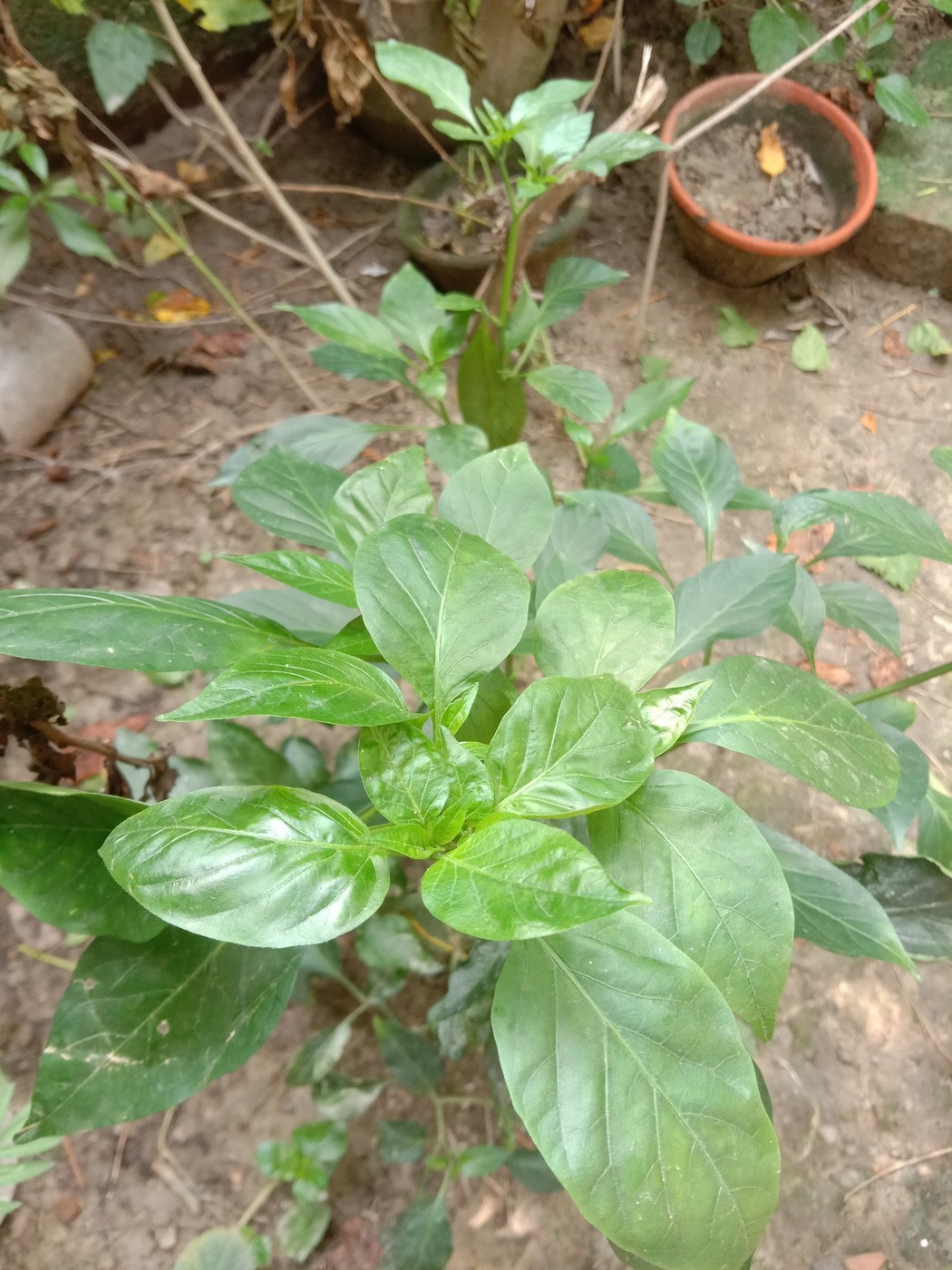
Ornamental peppers (Capsicum annuum) are compact, bushy plants grown for their showy, brightly colored fruit that shifts through purple, cream, yellow, orange, and red. Cultivated purely for display, they make vivid accents on windowsills, patios, and in seasonal containers.
Light
Ornamental peppers need bright light, including several hours of direct sun, to develop dense growth and intense fruit color. A south- or west-facing window is ideal indoors. In low light, plants grow leggy, fruit set drops, and colors turn muted, so give them the sunniest spot available.
Water
Keep the soil evenly moist and do not let it dry out completely, as wilting stresses the plant and can cause fruit and leaf drop. At the same time, avoid waterlogging, which invites root rot. Water thoroughly when the surface begins to feel slightly dry, and expect to water more often during warm, bright conditions.
Soil & Potting
Use a rich, well-draining potting mix with plenty of organic matter. A container with drainage holes is essential. Ornamental peppers are shallow-rooted and thrive in modest pots; a fertile mix that holds moisture while draining freely keeps them lush and productive.
Humidity & Temperature
These are warm-season plants that prefer temperatures between roughly 65 and 80 F and dislike cold drafts and chills below about 55 F. They enjoy average to moderately high humidity; very dry indoor air can stress plants and attract spider mites. Keep them away from cold windows and heating vents.
Feeding
Feed every two to four weeks during active growth and fruiting with a balanced fertilizer, or one slightly higher in phosphorus and potassium to support flowering and fruit color. Avoid excess nitrogen, which drives leafy growth over fruit. Ease off feeding as growth slows in the off-season.
Propagation
Ornamental peppers are usually grown from seed sown in warmth in late winter or early spring; germination takes one to three weeks at warm soil temperatures. Provide bright light to seedlings. Stem cuttings can also root, though seed is the standard and most reliable method.
Repotting / Pruning
Pot up seedlings as they grow, and repot into a slightly larger container if roots crowd the pot. Light pinching of young plants encourages a bushier, well-branched shape and more fruiting points. Remove any spent or shriveled fruit and yellowing leaves to keep the plant looking fresh.
Common Problems & Pests
Spider mites and aphids are the most common pests, especially in dry indoor air; rinse foliage and improve humidity to deter them. Whiteflies may also appear. Overwatering causes root rot and leaf drop, while too little light produces weak, sparse plants with poor color. Sudden temperature swings can trigger fruit drop.
Seasonal Care Tips
Start seeds in late winter for plants that fruit through summer and fall. Ornamental peppers are typically grown as annuals and peak in the warm months with their most colorful display in late summer and autumn. As light and warmth fade, plants decline; keep a favorite going indoors in a bright, warm spot or start fresh from seed the next season.
Frequently asked questions
Why is my ornamental pepper dropping leaves and fruit?
The usual culprits are letting the soil dry out to the point of wilting, cold drafts, or sudden temperature swings. Keep moisture even, maintain warmth above about 55 F, and avoid drafty spots.
How do I keep ornamental pepper colors vivid?
Give it bright light with some direct sun. Insufficient light mutes the fruit color and makes plants leggy. A sunny window or bright patio spot produces the most intense hues.
Do ornamental peppers come back each year?
They are typically grown as annuals and decline after their fruiting season. You can keep one going in a warm, bright indoor spot, but most gardeners simply start fresh plants from seed.
What are the tiny webs and specks on my pepper plant?
That points to spider mites, which thrive in dry indoor air. Rinse the foliage, raise humidity around the plant, and inspect regularly, since they multiply quickly in warm, dry conditions.