Ornamental Pepper
Capsicum annuum
A compact form of the common pepper grown for showy, upward-facing fruits that ripen through purple, cream, yellow, orange and red, often all at once. Popular as a fall and holiday houseplant or patio accent.
- Light
- Bright light, including some direct sun
- Water
- Keep evenly moist; do not let dry out
- Difficulty
- Moderate
Got a plant like this?
Identify any plant from a photo, free.
Overview
Ornamental pepper is a decorative selection of Capsicum annuum, the same species as bell and chili peppers, bred for small size and colorful, abundant fruit rather than for harvest. The cone-shaped or round peppers stand above the foliage and change color as they ripen.
It is typically sold in autumn and around the holidays as a festive potted plant, providing weeks of bright, multicolored display.
How to identify it
- Compact, bushy plant usually 6-18 in (15-45 cm) tall
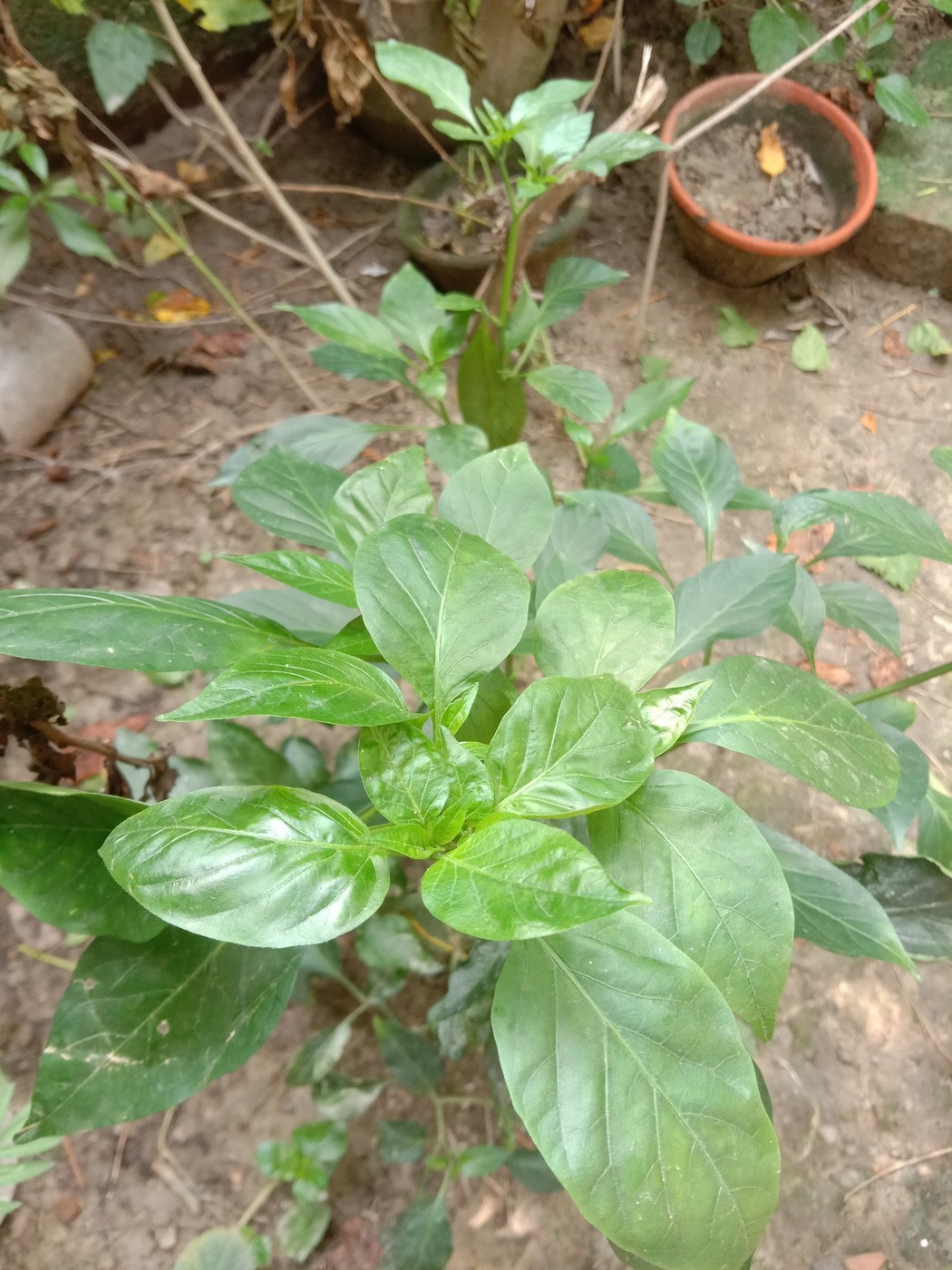
- Leaves are glossy, pointed and dark green, sometimes purple-tinged in dark-fruited types
- Fruits are small, upward-pointing peppers that ripen through shades of purple, white, yellow, orange and red, often several colors on one plant
- Tiny white or purplish star-shaped flowers precede the fruit
- The bright, clustered fruit is the key identifying feature
Care & growing
- Light: Bright light with some direct sun keeps fruit colorful and plants compact
- Water: Keep soil evenly moist; wilting and leaf drop follow if it dries out
- Soil: Rich, well-drained potting mix
- Temperature: Warm room temperatures; protect from cold drafts
- Feeding: Feed lightly during active growth and fruiting
- Propagation: From seed; usually treated as a short-lived annual and discarded after fruiting
Good air circulation and humidity help prevent leaf drop indoors.
Habitat & origin
The species Capsicum annuum originates in Central and South America and Mexico, where peppers have been cultivated for thousands of years.
Ornamental forms are grown worldwide as seasonal houseplants, gift plants and bedding or container accents, especially in autumn.
Frequently asked questions
Why is my ornamental pepper dropping leaves?
Leaf drop is usually caused by the soil drying out, low humidity, cold drafts or insufficient light, especially indoors.
Will an ornamental pepper rebloom next year?
It is a tender perennial usually treated as an annual; it can be kept going in warmth and bright light but most people discard it after fruiting.
Why does one plant have peppers of different colors?
The fruits change color as they ripen, so a single plant often shows purple, yellow, orange and red peppers at the same time.
Ornamental Pepper guides
In-depth guides for identifying, growing, and caring for Ornamental Pepper.
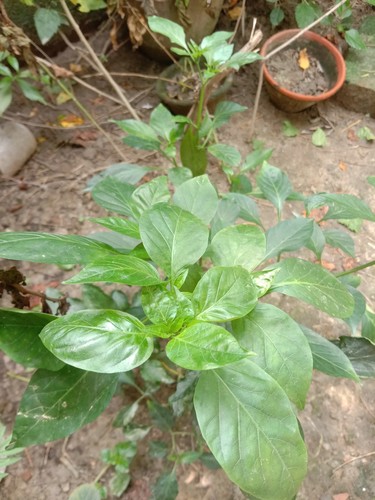
How to Care for Ornamental Pepper
Ornamental peppers dazzle with colorful upright fruit; give them bright light, steady moisture, and warmth for a vivid display.
Ornamental Pepper Identification Guide
Identify ornamental pepper (Capsicum annuum) by its small, upright, colorful fruits that ripen through purple, yellow, orange, and red on a compact bushy plant.