
How to Care for Overcup Oak
Grow overcup oak (Quercus lyrata): a tough, flood-tolerant native shade tree for wet, heavy soils and full sun.
Read the full Overcup Oak encyclopedia entry →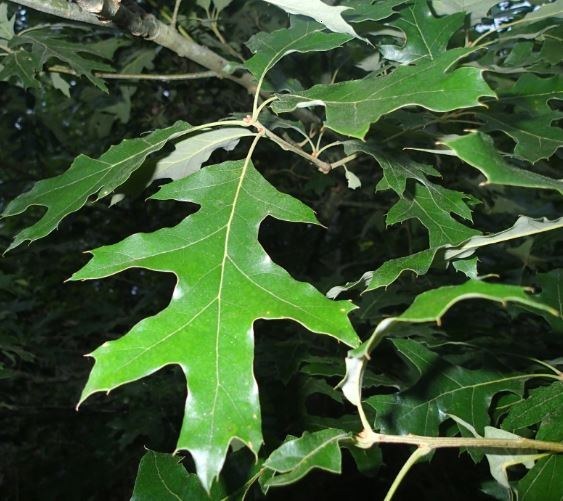
Overcup oak is a medium-to-large deciduous native oak in the white oak group, valued as a durable shade and street tree that thrives where many trees fail: wet, poorly drained, heavy clay soils. It is slow to establish but exceptionally long-lived and adaptable.
Light
Plant overcup oak in full sun for the strongest, most balanced canopy. Young trees tolerate light shade but develop the best form and vigor with a full day of direct light. In open lawns and along streets it forms a rounded, spreading crown.
Water
This tree loves water and tolerates seasonal flooding and standing water better than almost any other oak. In the wild it grows in floodplains and bottomlands. Keep young trees consistently moist while establishing; mature trees handle both saturated soils and moderate drought once their deep root system develops.
Soil & Potting
Overcup oak excels in heavy, wet clay and bottomland soils that suffocate other species, but it also grows in average garden loam. It prefers slightly acidic to neutral soil and copes with periodic waterlogging. Give it ample room; it is a landscape tree, not a container subject beyond the nursery stage.
Humidity & Temperature
A cold- and heat-hardy tree, it withstands humid summers and freezing winters across a wide temperate range. It is well adapted to the swings of continental climates and to the high humidity of river-bottom habitats.
Feeding
Established trees rarely need feeding. For young trees in poor soil, a light spring application of balanced tree fertilizer or an annual topdressing of compost over the root zone supports steady growth. Avoid heavy nitrogen, which forces weak, fast growth.
Propagation
Overcup oak is grown from acorns. Its distinctive acorns, nearly enclosed by a warty cap, ripen in autumn and can be sown fresh; unlike many white oaks they float, aiding water dispersal. Sow acorns promptly in deep pots or directly in the ground before they dry out, as viability drops quickly.
Repotting / Pruning
Prune only in the dormant season, late winter, to remove dead, crossing, or damaged branches and to establish a strong central leader while young. Oaks resent heavy pruning, so shape early and minimally. Nursery seedlings develop a deep taproot, so transplant while young and pot up promptly to avoid root circling.
Common Problems & Pests
Overcup oak is notably resilient and less prone to problems than many oaks. Occasional issues include leaf galls, oak leaf blister, various caterpillars, and scale, all usually cosmetic. Root rot is rarely a concern given its flood tolerance, though poor nursery drainage in containers can still cause problems. Prune in dormancy to reduce disease risk.
Seasonal Care Tips
Plant in autumn or early spring. Water young trees through their first two or three summers. Mulch the root zone to conserve moisture and suppress weeds, keeping mulch off the trunk. Collect and sow acorns in autumn if propagating. Do the year's pruning in late winter while the tree is leafless.
Frequently asked questions
Can overcup oak grow in wet or flooded soil?
Yes, it is one of the most flood-tolerant oaks and thrives in wet, heavy clay and seasonally flooded bottomland soils where most trees would fail.
How do I grow overcup oak from acorns?
Collect ripe acorns in autumn and sow them fresh in deep pots or directly in the ground before they dry out, since their viability drops quickly once dried.
How fast does overcup oak grow?
It is a slow-to-moderate grower, especially while establishing, but it is exceptionally long-lived and durable once its deep root system develops.
When should I prune overcup oak?
Prune only in the dormant season in late winter, removing dead or crossing branches. Oaks resent heavy cuts, so shape the tree early and lightly.