Overcup Oak
Quercus lyrata
Overcup oak is a flood-tolerant white oak of southern US bottomlands, named for the acorn cap that nearly encloses the nut. Its toughness makes it an increasingly popular urban shade tree.
- Light
- Full sun
- Water
- High; tolerates flooding and wet soils
- Difficulty
- Moderate
Got a plant like this?
Identify any plant from a photo, free.
Overview
Overcup oak (Quercus lyrata) is a medium-to-large deciduous tree in the white oak group, native to the floodplains and swamps of the southeastern United States.
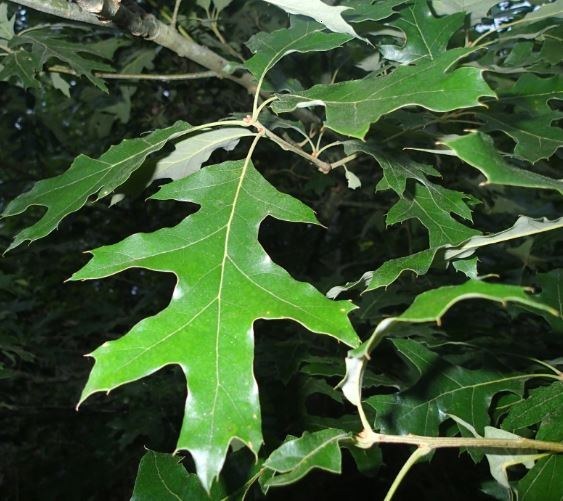
Its common name comes from its unusual acorn: the cap nearly or completely encloses the nut, which helps the acorn float and disperse in floodwaters. The species name lyrata refers to the lyre-shaped (deeply lobed) leaves.
Prized for its tolerance of wet soils, flooding, and urban stresses, overcup oak has become a favored street and landscape tree.
How to identify it
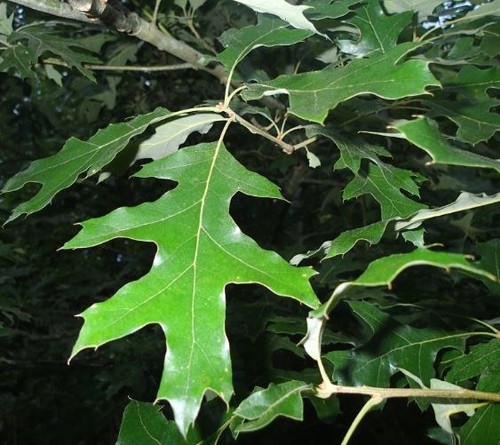
- Leaves: 6–10 in long, deeply and irregularly lobed (lyre-shaped), dark green above and pale beneath; lobing is variable even on one tree.
- Acorns: Distinctive — the warty cap covers nearly all of the rounded nut, leaving only a small tip exposed.
- Bark: Gray-brown, ridged and plated, somewhat scaly.
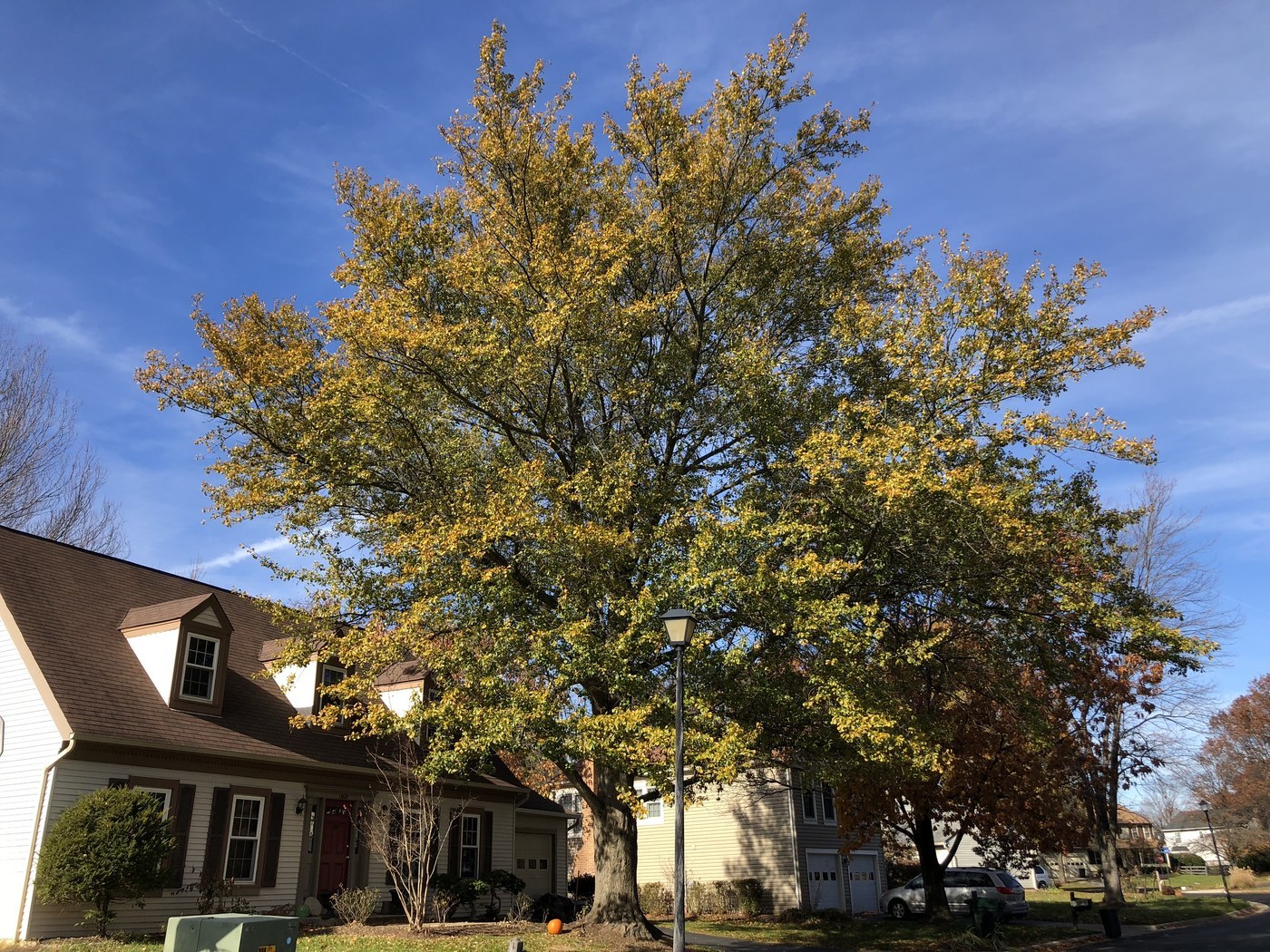
- Habit: Often with a somewhat irregular, open crown when young, becoming more rounded with age.
- Size: Typically 45–70 ft tall.
Care & growing
Overcup oak grows in full sun and tolerates an exceptional range of soil moisture.
- Water: Thrives in wet, poorly drained, and periodically flooded soils, yet also tolerates average and even somewhat dry sites once established.
- Soil: Adaptable; handles heavy clay, compaction, and alkaline conditions better than many oaks.
- Temperature: Hardy in USDA zones 5–9.
- Feeding: Rarely necessary.
- Propagation: From acorns; transplants more easily than many oaks, contributing to its popularity in the nursery trade.
Habitat & origin
Native to the southeastern and south-central United States, from Maryland and Illinois south to Florida and west to Texas.
It is a characteristic tree of river floodplains, bottomland hardwood forests, and swamps that experience seasonal flooding. Despite its wetland origins, it adapts well to drier, compacted urban soils.
Frequently asked questions
Why is it called overcup oak?
The acorn cap is greatly enlarged and nearly encloses the entire nut, an adaptation that helps the buoyant acorns float and disperse during floods.
Can overcup oak grow in wet soil?
Yes. It is one of the most flood-tolerant oaks and thrives in bottomlands and swamps, while still tolerating average urban soils.
Is overcup oak a good urban tree?
Yes. Its tolerance of compaction, clay, flooding, and drought, plus its relative ease of transplanting, make it a popular street and landscape tree.
What does the leaf look like?
The leaves are deeply and irregularly lobed in a lyre-like shape, which gives the species its name lyrata.
Overcup Oak guides
In-depth guides for identifying, growing, and caring for Overcup Oak.
How to Care for Overcup Oak
Grow overcup oak (Quercus lyrata): a tough, flood-tolerant native shade tree for wet, heavy soils and full sun.
Overcup Oak Identification Guide
How to identify Overcup Oak (Quercus lyrata) by its acorn cap that nearly encloses the nut and its variable lyre-shaped bottomland leaves.