
How to Care for Ox Tongue
Grow the tough, textured Ox Tongue (Gasteria bicolor) with bright indirect light and sparing water for a slow, forgiving windowsill succulent.
Read the full Ox Tongue encyclopedia entry →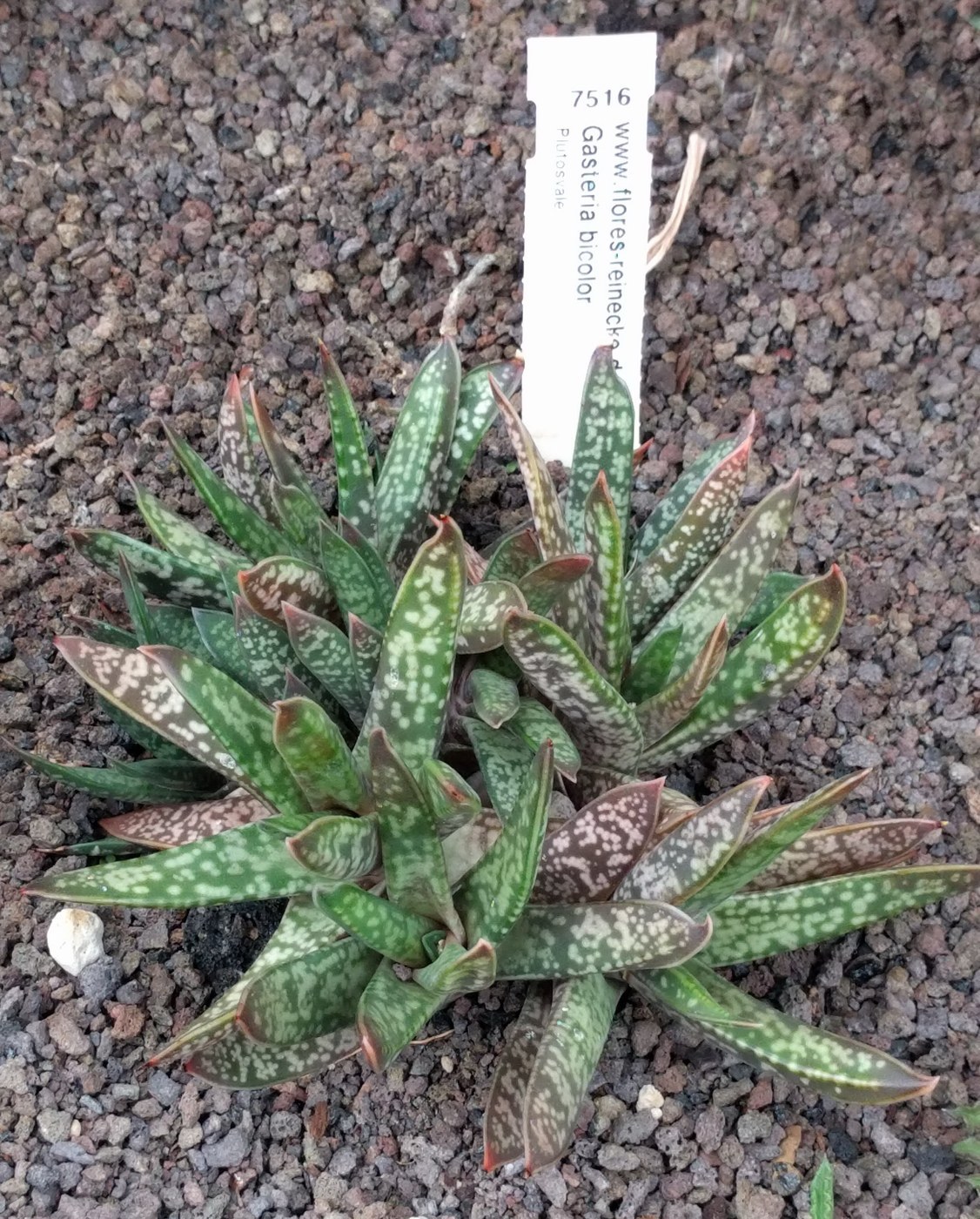
Ox Tongue (Gasteria bicolor) is a slow-growing South African succulent with thick, tongue-shaped leaves that are rough-textured and speckled. It is one of the easiest and most forgiving succulents, tolerating lower light than most and making an ideal beginner or windowsill plant.
Light
Ox Tongue prefers bright indirect light and actually dislikes harsh, direct midday sun, which can scorch and redden its leaves. An east-facing window or a spot with filtered light is perfect. It tolerates more shade than many succulents, but in very low light the leaves grow floppy and dull. Well-lit conditions bring out the best leaf color and compact form.
Water
Water sparingly, only when the soil has dried out completely, then moisten thoroughly and drain. Because the thick leaves store water, this succulent handles drought far better than excess moisture. Water roughly every two to three weeks in the growing season and much less in winter. Keep water off the leaves and out of the central crown to prevent rot.
Soil & Potting
Plant in a gritty, fast-draining cactus or succulent mix with added pumice, coarse sand, or perlite. Excellent drainage is critical. Use a shallow pot with drainage holes, since the root system is not deep. Terracotta helps wick away excess moisture between waterings.
Humidity & Temperature
Ox Tongue thrives in average room temperatures between 60 and 80 degrees Fahrenheit and prefers dry air over humidity. It is not frost-hardy, so keep it above about 50 degrees and protect it from cold windowsills in winter. Good airflow helps prevent fungal issues on the crowded leaves.
Feeding
Feed lightly, no more than once or twice during spring and summer, using a diluted succulent or low-nitrogen fertilizer. This slow grower needs very little supplemental nutrition. Do not feed in fall or winter.
Propagation
Ox Tongue propagates readily from offsets that cluster around the base; simply separate a pup with roots and pot it up. Leaf cuttings also work: remove a healthy leaf, let it callus for several days, then set it on dry mix and water sparingly until roots and a new plantlet form. Patience is required, as it roots slowly.
Repotting / Pruning
Repot only every few years when offsets crowd the pot, using fresh dry succulent mix in spring or summer. Pruning is minimal; just remove any shriveled or damaged lower leaves. Divide the clump at repotting time if you want to reduce crowding or start new plants.
Common Problems & Pests
Overwatering is the main threat, causing soft rot at the base and in the crown. Black or mushy leaf bases signal too much moisture. Reddish or bleached leaves mean too much direct sun. Watch for mealybugs nestled between the tightly stacked leaves and scale; treat by wiping with a cotton swab or spot-treating.
Seasonal Care Tips
In spring and summer, provide bright indirect light and water once the soil is fully dry. In fall, begin reducing water as growth slows. In winter, keep the plant nearly dry, cool but frost-free, and in good light to maintain its compact shape.
Frequently asked questions
How much light does Ox Tongue need?
Bright indirect light is ideal. Unlike many succulents, Ox Tongue dislikes harsh direct midday sun, which scorches its leaves, and it tolerates lower light better than most, making it a great windowsill plant.
How often should I water Ox Tongue?
Only when the soil is completely dry, roughly every two to three weeks in the growing season and much less in winter. Its thick leaves store water, so it handles drought far better than overwatering.
Why are my Ox Tongue leaves turning red?
Reddish or bleached leaves usually mean too much direct sun. Move the plant to a spot with bright but filtered or indirect light and the color should even out over time.
How do I propagate Ox Tongue?
The easiest way is to separate the offsets that form around the base and pot them up. You can also root individual leaves by letting them callus for a few days, then setting them on dry succulent mix.